Sunday, 1 November 2026 · Windhoek

Business Pulse 360°

Covering Business from Every Angle

Most Read

Opening the edition

Namibia’s business news & intelligence Vol. 3 | Issue 3 | October 2026

Business Pulse 360° Issue 3 / Oct 2026

To Advertise
With Us
Contact us on: 081 4275437

23 October 2026

Facebook Instagram Linkedin businesspulse360.com Vol.3 No:3
Insights / Analysis / Opportunities Covering Business from Every Angle

In this edition

  1. 2 Cover stories 1
  2. 3 Business News Corporate, government, trade, investment and employment news. 4
  3. 4 Sector Pulse Mining, oil and gas, energy, agriculture, tourism, property, transport, finance and technology. 7
  4. 5 Economy 360° GDP, inflation, interest rates, employment, trade and economic policy. 5
Business Pulse 360 Real business. A 360 degree view.

news@businesspulse360.com | Covering Business from Every Angle

Page 2

Cover stories

Minister of Finance Ericah Shafudah tables the mid-year budget review in the National Assembly on Thursday. Contributed

Budget Review

Namibia Cuts Revenue Forecast by N$1.5 Billion as Diamond Taxes Fall

Namibia has reduced its revenue forecast for the 2026/27 financial year by N$1.5 billion, as weaker mining receipts and declining diamond income add pressure to public finances.

The Minister of Finance, Ericah Shafudah has called for accelerated economic diversification after revising Namibia’s revenue forecast downward by N$1.5 billion, warning that the country’s dependence on commodity income leaves government finances exposed to declining mineral receipts.

Presenting the 2026/27 mid-year budget review in the National Assembly on Thursday, Shafudah reduced the revenue estimate from N$89.6 billion to N$88.1 billion, attributing the adjustment mainly to lower mining receipts, reduced fuel levies and lower administrative fees.

“Mining revenue remains the main source of weakness,” Shafudah said in the review, as she outlined the pressure on government income from declining mineral receipts.

Mining company taxes and royalties have been revised downward to N$5.2 billion from N$6.1 billion, while non-tax revenue has been cut from N$6.1 billion to N$5 billion, mainly due to lower mineral royalties and public enterprise dividends.

The minister reported that diamond taxes and royalties had fallen from N$5.8 billion in the 2023/24 financial year to a projected N$414 million in 2026/27, with the review estimating a shortfall of N$5.3 billion over the 2024/25 to 2026/27 medium-term period.

She noted that government had supported the diamond sector through royalty relief measures intended to protect employment and export earnings, but stressed the need to broaden the country’s economic base.

“Continued reliance on commodity-based revenue highlights the importance of accelerating economic diversification through expanded agricultural production, downstream value addition, growing services industries and the development of renewable energy industries,” she said.

Shafudah also announced that Namibia’s economic growth forecast for 2026 had been lowered to 2.3%, compared with the 3.1% projected in the main budget, however the revised estimate remains above the 1.7% growth recorded in 2025.

“The revision reflects slower-than-expected performance in the first half of 2026,” she said.

The economy is projected to grow by 2.6% in 2027, 3% in 2028 and 3.3% in 2029, supported by mining projects in the pipeline, strong uranium and gold prices, and improved domestic consumption as inflation and interest rates ease.

However, the minister identified subdued global demand, weaker commodity prices, high fuel prices, the anticipated El Niño weather phenomenon and the foot-and-mouth disease outbreak as risks to the outlook.

On public spending, Shafudah reported that actual expenditure and commitments had reached N$47 billion by 30 September 2026, against an appropriation of N$87.9 billion, representing a budget execution rate of 53.5%.

Development expenditure, including commitments, recorded an execution rate of 42%, while operational expenditure reached 53%.

The revised fiscal framework projects a budget deficit of N$16.3 billion, equivalent to 5.5% of gross domestic product (GDP).

She emphasized that public debt is projected to reach N$201.7 billion, or 68.7% of GDP, while interest payments are expected to total N$15.4 billion, absorbing 17.5% of government revenue.

Shafudah said government would continue pursuing fiscal consolidation to reduce borrowing costs and stabilise public debt, while prioritising projects ready for implementation and those supporting national development objectives.

The review also sets out plans to complete the Medium-Term Revenue Strategy and Debt Management Strategy before February 2027, as government seeks to strengthen revenue collection and manage its borrowing obligations.

Read this story on the site ›

Business Pulse 360° Cover stories Page 2 of 5

Page 3

Business News

Corporate, government, trade, investment and employment news.

TotalEnergies is targeting a 2028 investment decision on the Mopane oil discovery offshore Namibia. Mining and Energy Namibia

INSIGHT | OIL & GAS

TotalEnergies Targets 2028 Investment Decision on Mopane Oil Discovery

The company plans a three-well appraisal campaign to assess the offshore discovery’s development potential before deciding whether to proceed with the project.

TotalEnergies is targeting a Final Investment Decision (FID) on Namibia’s offshore Mopane oil discovery in 2028, with a planned three-well exploration and appraisal campaign expected to assess the discovery’s resource potential and guide development planning.

In an announcement released earlier last month, TotalEnergies confirmed that it had completed its transaction with Portuguese energy company Galp, acquiring a 40% operated interest in Petroleum Exploration Licence 83 (PEL 83), where Mopane is located.

The company said the campaign would help advance the discovery towards a potential development decision, while Galp reported that drilling was targeted for the fourth quarter of 2026.

TotalEnergies's Chairman and Chief Executive Officer (CEO), Patrick Pouyanné described the transaction as “a key milestone in our journey to establish a major production hub in Namibia”.

Pouyanné added that the agreement “positions TotalEnergies as the operator of Namibia’s two largest oil discoveries”.

He explained that the company aimed to take the project to FID in 2028 following a three-well appraisal campaign.

The timing of the investment decision remains subject to the campaign’s results and subsequent technical and commercial evaluations.

TotalEnergies reported that it and Galp each hold a 40% participating interest in PEL 83, while the National Petroleum Corporation of Namibia (NAMCOR) and Custos Energy each hold 10%.

As part of the transaction, Galp acquired a 10% participating interest in Petroleum Exploration Licence 56 (PEL 56), which contains the Venus discovery, and a 9.39% interest in Petroleum Exploration Licence 91 (PEL 91) from TotalEnergies.

Further More, TotalEnergies reported a 35.25% operated interest, matching QatarEnergy’s stake on PEL 56, whith Galp and NAMCOR each hold 10%, while Impact Oil & Gas holds 9.5%.

In PEL 91, TotalEnergies holds a 33.085% operated interest, according to the ownership breakdown published by Galp.

In addition, QatarEnergy holds 33.025%, NAMCOR 15%, Impact Oil & Gas 9.5% and Galp 9.39%.

TotalEnergies also said it was progressing the completion of its entry as operator of Petroleum Exploration Licence 104 (PEL 104), further expanding its offshore exploration portfolio in Namibia.

Read this story on the site ›

Mining & Minerals

Walvis Bay Manganese Refinery Project Opens New Prospects for Local Industry and Employment

Green Metals Refining Ltd has secured environmental clearance for a planned manganese refinery and sulphuric acid plant in Walvis Bay

Green Metals Refining Ltd has secured environmental clearance for a planned manganese refinery and sulphuric acid plant in Walvis Bay, marking a significant step towards expanding Namibia’s mineral-processing capacity and creating potential opportunities for local employment and industrial development.

In an announcement dated 14 October 2026, the company said the Ministry of Environment, Forestry and Tourism approved its Environmental Clearance Certificate (ECC) on 9 October, following a review of the projects’ Environmental Impact Assessment and Environmental Management Plan.

The proposed developments at Farm 58 are intended to produce battery-grade manganese chemicals and sulphuric acid, products that serve industrial applications and supply chains associated with the global transition towards cleaner energy.

The clearance reduces an important regulatory hurdle for the projects and moves them closer to being ready for construction. However, the company has not announced a final investment decision, meaning construction timelines, total investment and the number of jobs to be created have yet to be confirmed.

The proposed refinery could support Namibia’s efforts to capture more value from its mineral resources by processing materials locally rather than relying predominantly on the export of less-processed commodities.

For a country with an established mining industry, expanding domestic processing capacity could create additional economic activity around mineral production, industrial services, logistics and supply chains.

Green Metals Refining Namibia (Pty) Ltd is developing the manganese refinery using existing feedstock supply chains and logistics, while Kudu Chemicals (Pty) Ltd is developing the sulphuric acid plant to supply the refinery and meet demand from other customers.

A third subsidiary, Foxtrot Industrial Developments (Pty) Ltd, has been established to provide infrastructure and shared services for the projects and potentially other businesses.

The development of these facilities could strengthen connections between mining and downstream manufacturing, creating opportunities for local enterprises to participate in activities beyond the extraction of mineral resources.

The potential economic contribution, however, will depend on the projects reaching the investment and construction stages, securing the necessary inputs and establishing commercially viable operations.

Job creation and local skills development are among the anticipated national benefits identified by the company. Green Metals Refining said it intends to prioritise local employment, training and supplier development as part of its proposed development model.

If implemented, the projects could generate employment during construction and create longer-term positions in processing, plant operations, maintenance, logistics and related technical services. Local contractors and suppliers could also benefit from demand for goods and services.

For Walvis Bay and the wider Erongo Region, the development could broaden industrial activity and create opportunities for businesses supplying the facilities. The extent of these benefits will depend on how much procurement is directed towards Namibian businesses and how effectively local workers are prepared for available positions.

According to Green Metals Refining, the company is progressing the tender process to appoint a feasibility study engineer for the sulphuric acid plant. It has also completed advanced metallurgical test work supporting the manganese refinery’s pre-feasibility study.

These activities remain important steps towards determining the projects’ technical and commercial viability before a final investment decision is made.

The company also said its environmental assessment process involved engagement with communities, relevant ministries, regulatory authorities and other interested parties. It has committed to designing operations to minimise emissions, waste and water consumption, while maintaining community engagement and environmental oversight.

The proposed developments could represent a meaningful addition to Namibia’s industrial base if they proceed to production. Their broader significance will ultimately depend on investment commitments, implementation, environmental performance and the tangible benefits delivered to Namibian workers and businesses.

For now, the environmental clearance represents progress towards the proposed facilities, rather than confirmation that construction, production or job creation has begun.

journalist2@businesspulse360.com

Read this story on the site ›

Banking & Finance

Namibia’s Livestock Crisis Exposes Risks to Government Revenue

Foot-and-mouth disease restrictions and slowing mining output could put pressure on Namibia’s tax revenue, raising concerns about fiscal sustainability and the government’s capacity to fund public services and development.

A bull at a livestock enclosure. Foot-and-mouth disease restrictions could disrupt Namibia’s beef and livestock value chains, putting pressure on business activity and government tax revenue. Contributed

By Johanna N Festus

Namibia’s foot-and-mouth disease (FMD) outbreak and slowing mining output could put additional pressure on government revenue, raising concerns about the country’s fiscal position as the Ministry of Finance reviews its budget.

Speaking to business pulse 360 economist Gabriel Nghinomenwa said disruptions in agriculture and risks to mining production could affect tax collections, highlighting the vulnerability of public finances to changes in key economic sectors.

“Revenue is directly linked to the performance of the economy,” Nghinomenwa said.

He warned that FMD restrictions could affect revenue across the livestock and beef value chains, including live-animal exports, local abattoirs, meat processing, animal feed and related businesses.

Nghinomenwa estimated that potential tax revenue losses linked to the livestock and beef sector could approach N$500 million. However, he acknowledged that the precise impact was difficult to establish because consolidated figures for income tax and value-added tax (VAT) generated by the sector were not available.

The potential losses extend beyond farmers and exporters. Lower activity could affect workers’ incomes, corporate tax payments and VAT receipts, while businesses supplying the sector could also experience reduced demand.

Mining presents another concern. Nghinomenwa said slowing output could weigh on tax contributions from the sector, despite improving prices for gold and uranium.

He pointed to gold’s contribution to government revenue and questioned whether rising uranium prices and production were translating into comparable tax benefits for the state.

The combined pressures could complicate revenue forecasting and leave the government with less fiscal room to fund infrastructure, public services and development programmes.

Namibia’s previous Mid-Year Budget Review, presented by Finance Minister Ericah B. Shafudah, reported revenue collection of N$36.6 billion by the end of September 2025, equivalent to 40% of the annual budget estimate. Public debt stood at N$176.3 billion, while interest payments totalled N$6.8 billion.

Those figures reflect the previous review, not the government’s current fiscal position.

The emerging risks underline the importance of realistic revenue projections and a broader, more resilient economic base. For Namibia, protecting productive activity in agriculture and mining is not only a matter of supporting businesses and jobs but also of safeguarding the public revenue needed to finance national development.

journalist1@businesspulse360.com

Read this story on the site ›

Tech & Innovation

Capricorn Puts N$75,000 into Namibia’s Cybersecurity Talent Pipeline

Capricorn Group’s N$75,000 sponsorship of Namibia’s national cybersecurity competition supports practical skills development, while the initiative’s longer-term impact on employment remains unmeasured.

Participants pose with their trophies and prizes at the 12th Namibia National Cyber Security Competition, which brought together students from four Namibian institutions to test their cybersecurity skills. The competition aims to strengthen practical Contributed

The private sector has decided to get on board and assists Namibia in develop its cybersecurity skills, with the Capricorn Group contributing N$75,000 towards practical training for students as businesses increasingly depend on secure digital services.

The contribution supported the 12th Namibia National Cyber Security Competition, organised with the Namibia University of Science and Technology (NUST), where students tested their ability to defend computer systems against simulated cyberattacks.

Responding to questions by Business Pulse 360, Bank Windhoek said the sponsorship aimed to strengthen practical cybersecurity skills and connect academic learning with industry expectations. Capricorn Group also participated in the competition’s judging process, according to the group’s media release.

“As businesses and customers increasingly rely on digital services, local cybersecurity capability can help organisations manage digital risks and support confidence in those services,” Bank Windhoek said.

Cybersecurity skills are relevant to businesses that depend on digital platforms to serve customers, process transactions and manage information. Developing local expertise can help organisations respond to digital threats, while practical training can expose students to challenges they may encounter in the workplace.

The competition placed students in a simulated organisational computing environment, where they defended systems while a red team attempted to compromise them. The format tested participants’ ability to identify threats and respond under pressure, providing experience beyond classroom learning, Capricorn Group said.

Teams from NUST, the University of Namibia, the International University of Management and the International Training College Lingua participated. NUST Team A took first place, followed by ITCL Team A in second place and NUST Team B in third place.

Marlize Horn, Capricorn Group’s Group Chief Brand and Corporate Affairs Officer, said the competition gives students opportunities to apply their knowledge to realistic challenges.

“We are pleased to support their development and the cyber talent Namibia will need as its digital economy grows,” Horn said.

However, the longer-term economic impact of the sponsorship remains unmeasured. Bank Windhoek said it does not currently track participants’ employment outcomes through the initiative and therefore does not claim that the sponsorship has created jobs or generated a quantified economic return.

The bank said assessing those outcomes would require follow-up with participants and competition organisers.

The sponsorship highlights private-sector support for developing Namibia’s technical skills base, but its longer-term contribution to employment and the country’s cybersecurity workforce will depend on how effectively the skills gained translate into workplace capabilities.

journalist1@businesspulse360.com

Read this story on the site ›

Business Pulse 360° Business News Page 3 of 5

Page 4

Sector Pulse

Mining, oil and gas, energy, agriculture, tourism, property, transport, finance and technology.

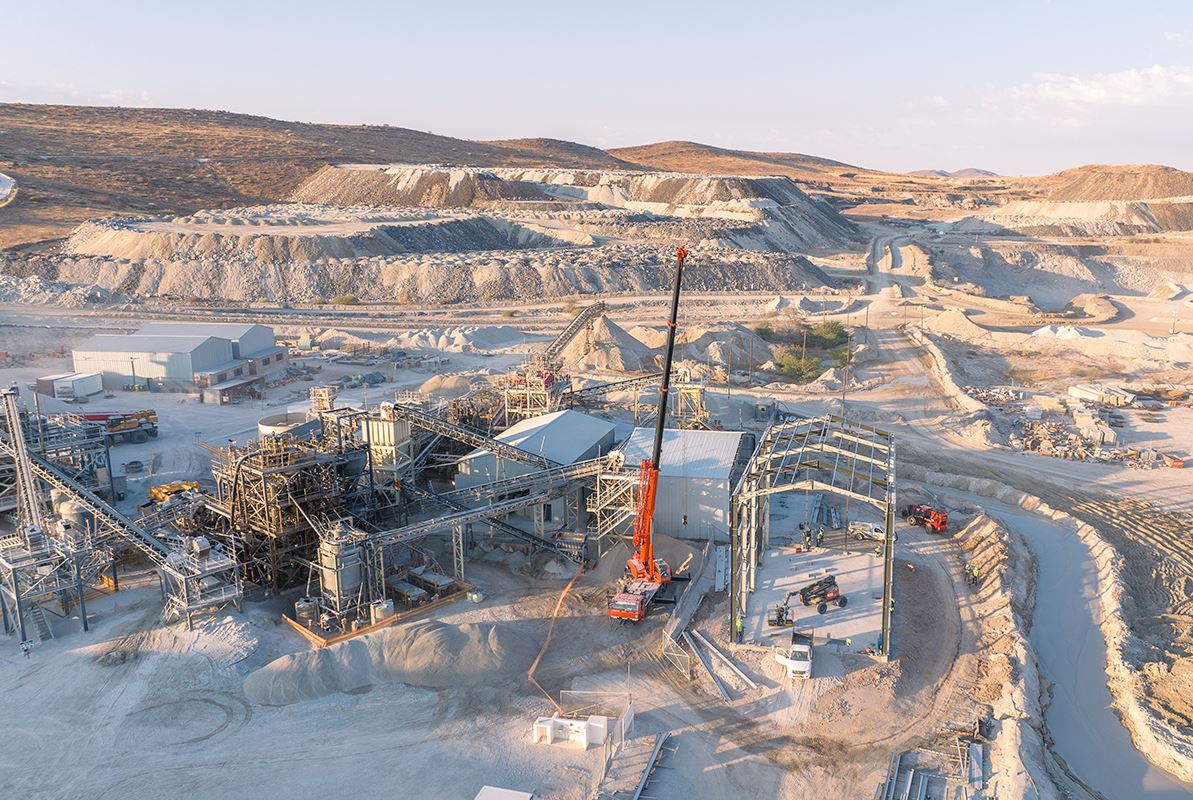
Andrada Mining’s Uis tin mine in Namibia’s Erongo Region, where expansion plans aim to increase tin concentrate production and support the company’s growth. Contributed

MINING AND INVESTMENT

Andrada Revenue Jumps 80% as Uis Mine Expansion Gains N$98m Financing

Andrada Mining’s revenue rose 80% to approximately N$453 million as higher tin prices and increased production boosted profitability, while a planned Uis mine expansion backed by N$98 million in financing could create further opportunities for Namibia’s mining sector.

Andrada Mining Limited reported an 80% increase in revenue to £20.6 million for the six months ended 31 August 2026, returning to profitability as higher tin production and stronger international prices boosted its financial performance.

The company’s unaudited interim financial results, released on 21 October 2026, show revenue rising from £11.4 million in the corresponding period last year, while profit after tax reached £2.5 million compared with a loss of £3 million previously.

The improved performance comes as the company advances an expansion of its Uis tin mine in the Erongo Region, supported by N$98 million in financing from Bank Windhoek and the Development Bank of Namibia.

The two financial institutions are providing loan facilities of N$49 million each to fund planned upgrades to the mine’s processing infrastructure, including an ore-sorting project intended to improve processing efficiency and increase tin recovery.

Andrada expects the project to increase annual tin concentrate production by approximately 50% to 70%, to between 2,500 and 3,000 tonnes. The company said the project is fully funded and progressing according to schedule.

The expansion could strengthen the mine’s contribution to Namibia’s mining industry through higher production and additional demand for goods and services, although the scale of any wider economic benefits will depend on the project’s implementation and operational performance.

Andrada’s financial turnaround was supported by a 13% increase in contained tin production to 576 tonnes, while its average realised tin price rose by 57% to US$52,131 per tonne.

Chief executive officer Anthony Viljoen said the results marked a significant turning point for the company.

“These results mark a significant turning point for Andrada, with strong operational performance at Uis translating into a step-change in profitability and cash generation,” Viljoen said in the interim results announcement.

The company’s performance highlights the importance of both production volumes and international commodity prices to mining revenues. While higher prices can improve earnings, sustained profitability also depends on operating costs, capital expenditure and the ability to maintain production.

The planned expansion comes against the backdrop of mining’s wider role in Namibia’s economy. According to the Chamber of Mines of Namibia’s 2025 Annual Review, its members spent approximately N$23.97 billion on locally sourced goods and services during 2025, representing 65% of their procurement expenditure.

Increased production at Uis could create further opportunities for local suppliers, depending on the mine’s procurement requirements and the extent to which Namibian businesses can meet them.

Beyond tin, Andrada is pursuing opportunities to diversify its mineral portfolio through the Lithium Ridge project, developed in partnership with SQM, and the Brandberg West project with BWCAM Limited.

The projects target lithium, tantalum, tungsten and copper, minerals associated with applications in energy storage and industrial manufacturing. However, their future contribution to revenue and investment will depend on further exploration, technical assessments and development decisions.

For now, the company’s stronger interim earnings and planned Uis expansion place tin production at the centre of its near-term growth strategy, with the expected increase in output offering potential to strengthen its operational performance and economic footprint in Namibia.

Read this story on the site ›

Energy

Local Carbon Market Needs Clear Rules to Attract Investment

Colin Lindeque, co-founder and managing director of Carbon Capital, calls for clearer rules governing Namibia’s carbon market to attract investment. Contributed

Namibia needs a clearer regulatory framework for its carbon market to unlock investment in carbon projects, while investors must account for environmental and social risks that could drive up costs and delay project implementation, according to Carbon Capital Pty Ltd.

Carbon Capital is a wholly Namibian-owned project development and capital-raising company focused on the country's emerging bio-economy sector.

The company’s co-founder and managing director Colin Lindeque raised concerns about the country’s current carbon market framework at the Sustainable Finance Workshop on Monday, describing it as a “terrible document” that needs to better support project development.

Lindeque pointed to the wide price gap between different types of carbon credits, saying solar photovoltaic credits trade at US$0.50 per credit, compared with US$180 for credits sold by Carbon Capital.

“Solar PV credits at the moment are trading at half a US dollar per credit, whereas the credits that we sell are trading at 180 US dollars,” he said.

He attributed the difference in value to the environmental benefits projects can demonstrate, arguing that solar credits command lower prices because solar energy has become cheaper and would likely be developed regardless.

Lindeque’s call for a stronger framework comes as Namibia seeks to develop its bio-economy and attract financing for projects that generate environmental and economic benefits.

Meanwhile, Monasa Advisory & Associates` Mekondjo Erastus warned that investors who overlook environmental and social risks could face higher costs and weaker project returns.

Erastus identified water security as a major consideration for investment decisions in Namibia, where water availability can affect the viability of projects.

“Water security is a massive, massive one,” he said.

He added that managing environmental risks requires adequate financial planning, cautioning that “mitigation is not free”.

Erastus said water shortages, unreliable energy supplies and disputes with communities could increase project costs and delay implementation when they are not considered during the planning stages.

journalist@businesspulse360.com

Read this story on the site ›

Banking & Finance

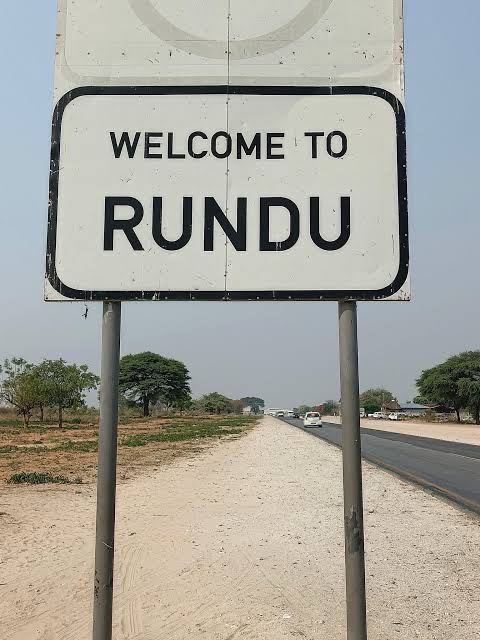
Rundu Trade Fair Raises N$1.3 Million Excluding Hostel Pledge

Rundu Town Council has clarified that N$1.3 million was raised through monetary and in-kind contributions at the Rundu Annual Trade Fair fundraising gala held on 3 October 2026.

The Rundu Town Council has clarified that about N$1.3 million was raised through monetary and in-kind contributions at the Rundu Annual Trade Fair fundraising gala held earlier this month.

The amount excludes a separate N$3 million commitment by Namibia Berries to construct a community hostel in the Mukwe Constituency.

The clarification revises the previously reported fundraising total of more than N$4.17 million, distinguishing contributions intended to support the trade fair from the commitment towards community infrastructure.

Namibia Berries produces blueberries for export in the Divundu area.

In response to questions from Business Pulse 360°, the council said it received approximately N$1.1 million in monetary contributions and N$192,000 in in-kind contributions, bringing the total raised for the trade fair to about N$1.3 million.

The council said the gala dinner was intended to mobilise resources to host the annual event, which provides businesses from Rundu, the Kavango East Region and other parts of Namibia with a platform to showcase and trade their products and services.

“The funds raised through the Gala Dinner will therefore be used to support the successful hosting of the Trade Fair,” the council said.

It explained that organising the trade fair is costly and requires financial support for various services and operational needs.

These include cleaning and security services, stage and sound equipment, casual workers, tents, exhibition hall partitions, ticket and gate-pass printing, electricity, water and artists’ fees.

The council also clarified that the N$98,300 contribution previously associated with it forms part of the overall funds raised through the gala and will support the hosting of the trade fair.

The council said the event is organised on a non-profit-making basis and requires financial resources to cover its operational costs.

The fundraising initiative is aimed at ensuring the trade fair provides a stronger platform for small and medium-sized enterprises (SMEs), entrepreneurs and other businesses seeking customers, partnerships and market opportunities.

The council said income from pledges and contributions, together with expenditure related to the trade fair, had been provided for in its approved 2026/2027 budget.

It added that funds received would be managed through established financial processes and used for their intended purposes in accordance with the approved budget and applicable procedures.

The council further said it compiles a report after each trade fair comparing income generated with expenditure incurred. Where expenses exceed income, the council covers the shortfall, while any surplus is also reflected in the report.

Meanwhile, the trade fair committee is still verifying contributions received and following up on outstanding commitments.

The council expects outstanding pledges to be honoured, noting that timely payments are important because suppliers and service providers must be paid for goods and services delivered before and during the event.

Beyond fundraising, the council views the gala as a platform for networking and investment mobilisation, bringing together government, businesses, financial institutions and other stakeholders.

It expects the contributions to strengthen the trade fair and help local businesses market their products, reach customers and establish partnerships.

For local businesses, the event’s ultimate value will depend on whether participation translates into commercial opportunities, stronger business relationships and sustained economic activity beyond the exhibition period.

journalist2@businesspulse360.com

Read this story on the site ›

Energy

Namibia, Angola Fast-Track Joint Infrastructure Projects, Calueque Pumps Set for December

The two countries expect permanent pump stations at Calueque to be commissioned in December 2026, alongside plans to advance joint energy, internet and border infrastructure projects.

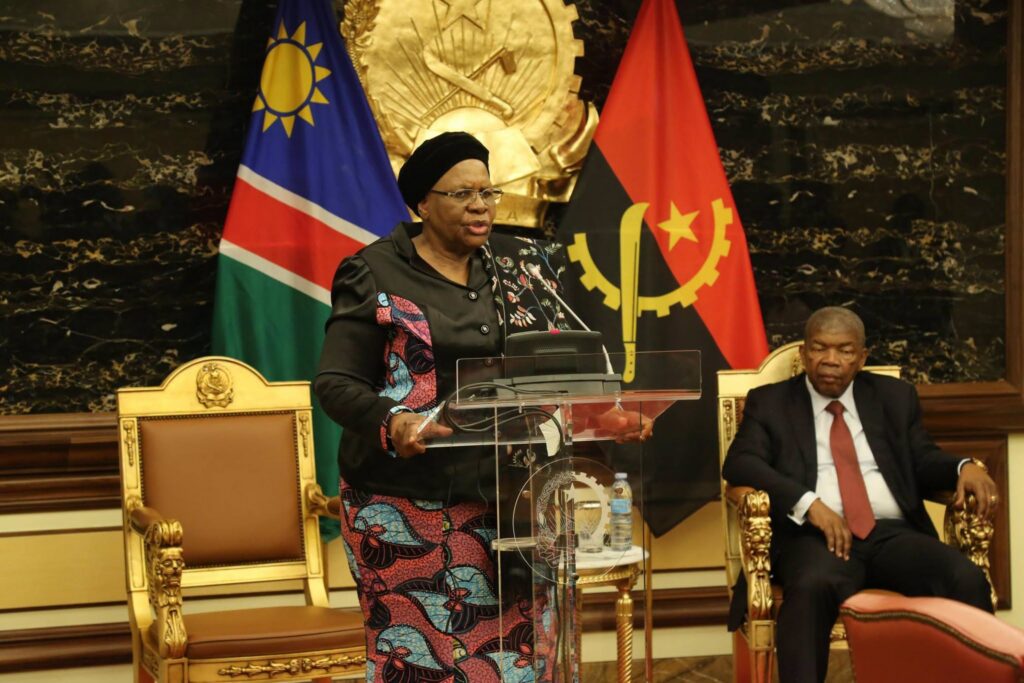
Namibian President Netumbo Nandi-Ndaitwah (left) with Angolan President João Lourenço during the inaugural Angola-Namibia Bi-National Commission in Luanda, Angola. Contributed

Namibia and Angola have committed to accelerating the implementation of joint infrastructure projects, with permanent pump stations at Calueque expected to be commissioned in December 2026 as the two countries seek to strengthen economic cooperation and regional connectivity.

The commitment followed the inaugural session of the Angola-Namibia Bi-National Commission (BNC), co-chaired by Namibian President Netumbo Nandi-Ndaitwah and Angolan President João Lourenço during the Namibian president’s state visit to Angola from 18 to 20 October 2026.

In a communiqué issued on Monday, the two leaders called for faster implementation of flagship projects expected to improve living conditions and strengthen economic ties between the neighbouring countries.

The Calueque pump stations are among the priority projects, forming part of efforts to address water shortages in northern Namibia. Improved water infrastructure could support households, agriculture and other economic activities that depend on reliable water supplies.

The two governments also identified the Baynes Hydropower Project and the Angola-Namibia Interconnector as key infrastructure initiatives requiring accelerated implementation.

The projects are expected to strengthen regional energy cooperation, with the proposed hydropower plant offering potential to expand electricity generation and the interconnector supporting electricity transmission between the two countries. Their eventual economic benefits will depend on implementation progress, financing and completion.

In addition to energy and water infrastructure, the governments plan to establish a one-stop border post at Oshikango-Santa Clara to facilitate cross-border movement and improve trade flows.

The proposed border facility could help streamline customs and border procedures, potentially reducing delays for traders, transport operators and other businesses moving goods between the two countries.

Cooperation in information and communications technology was also highlighted, with the leaders seeking to improve internet access as part of broader efforts to strengthen connectivity.

The infrastructure commitments form part of a wider push to deepen bilateral trade and economic cooperation. The two presidents described trade as “a vital tool to address the socio-economic challenges confronting the peoples of both countries”.

Their discussions also covered regional integration, climate change, peace and security, and reform of the United Nations Security Council to strengthen African representation.

The BNC was established to consolidate the two countries’ bilateral cooperation mechanisms under a single strategic platform. The second session is expected to take place in Namibia in 2028.

The latest commitments signal an effort by the two governments to translate their longstanding political relationship into practical cooperation in water security, energy, transport and digital connectivity, sectors that could support trade and economic development across the region.

journalist@businesspulse360.com

Read this story on the site ›

Agriculture & Oceans

Bank Windhoek Warns of Economic Risks from FMD Outbreak

Foot-and-Mouth Disease in the //Kharas Region threatens livestock-related livelihoods and highlights the importance of protecting agricultural trade and businesses across Namibia’s value chain.

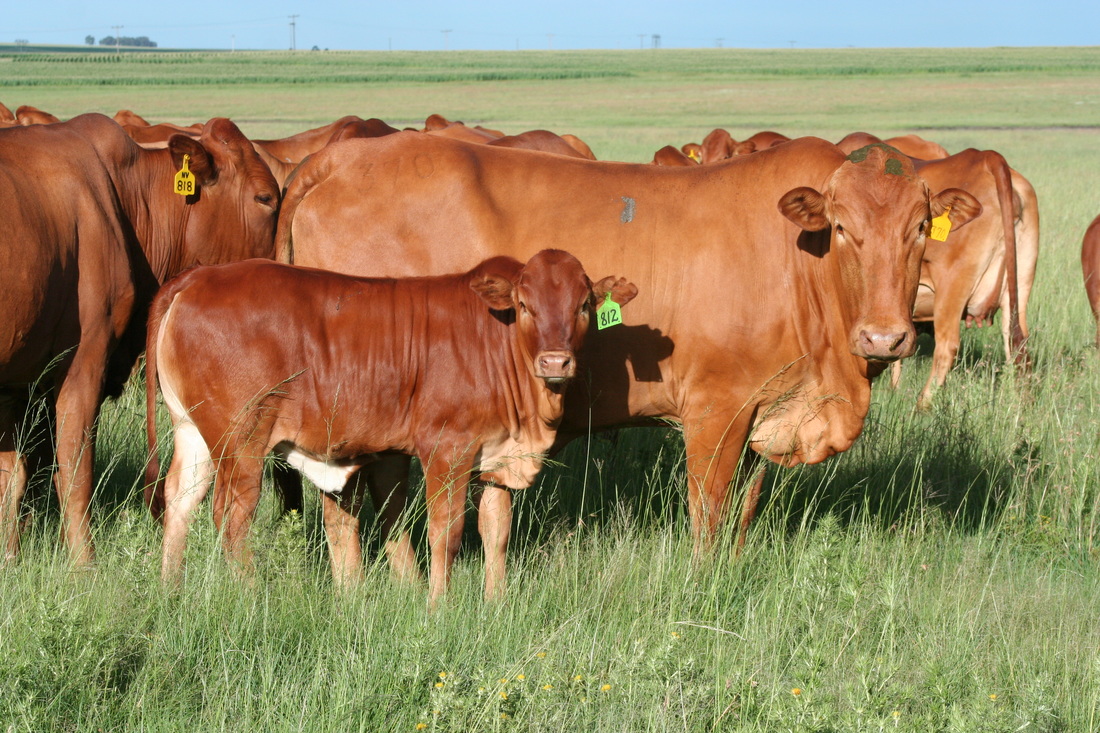
Cattle grazing on a farm, highlighting the importance of livestock to Namibia’s agricultural economy and the livelihoods threatened by Foot-and-Mouth Disease. Contributed

Bank Windhoek has highlighted the economic risks posed by Namibia’s Foot-and-Mouth Disease (FMD) outbreak in the //Kharas Region, warning that disruptions to livestock farming could threaten farmers’ incomes, agricultural trade and rural livelihoods.

This follows after the Ministry of Agriculture, Fisheries, Water and Land Form (MAWLR) last week reported that 131 animals had tested positive across 18 farms in the Karasburg State Veterinary District.

At the time of the report, the outbreak remained confined to the district, with surveillance, vaccination and livestock movement controls continuing to contain its spread.

FMD is a highly contagious viral disease affecting cloven-hoofed animals, including cattle, sheep, goats and pigs. Although it poses no public health risk, the disease can disrupt livestock production and trade, placing pressure on farmers and businesses that depend on the agricultural value chain.

The economic consequences can extend beyond farms to meat processors, transport operators, retailers and farmworkers, potentially affecting household incomes and economic activity in rural communities.

In a statement issued by the Bank on Monday, Executive Officer for Retail Banking Services, Leon Koch said agriculture plays a significant role in supporting Namibia’s economy and sustaining livelihoods.

“Agriculture sustains livelihoods, strengthens food security and contributes significantly to Namibia’s economy,” Koch said.

He said the outbreak requires informed, coordinated and practical action to protect livestock and the livelihoods that depend on the sector.

The bank has at the same time announced that its 2026 Agriculture Series will focus on the theme “Foot-and-Mouth Disease: Safeguarding Herds and Sustainable Livelihoods”, bringing together agricultural experts and stakeholders to discuss disease prevention, farm-level biosecurity, livestock movement compliance, surveillance and early reporting.

The initiative aims to help farmers and businesses better understand the risks associated with the disease, strengthen preparedness and adopt measures to protect livestock.

Koch said the bank’s support reflects its recognition of agriculture as a cornerstone of rural development and economic resilience.

Through the Agriculture Series, Bank Windhoek aims to facilitate discussions and partnerships among farmers, veterinary authorities, policymakers and industry representatives to promote practical responses to the outbreak and support the sustainability of Namibia’s livestock sector.

journalist1@businesspulse360.com

Read this story on the site ›

Market & Sectors

FMD Outbreak Threatens to Push Meat Prices Higher as Inflation Accelerates

Standard Bank Namibia’s September 2026 Consumer Price Index (CPI) review shows that annual headline inflation accelerated to 5.4% in September, up from 5.0% in August and 3.5% in September 2025

Namibia’s accelerating inflation and the foot-and-mouth disease (FMD) outbreak could put further pressure on household budgets as livestock movement restrictions disrupt meat supply and raise concerns about food prices.

Annual headline inflation rose to 5.4% in September 2026, up from 5.0% in August and 3.5% in September 2025, according to Standard Bank Namibia’s September inflation review.

While transport and energy costs remain the main drivers of inflation, the bank warned that FMD could add to food-price pressures in the coming months.

The outbreak, which had affected approximately 29,000 animals according to figures cited in the outbreak response, prompted movement restrictions aimed at containing the disease. These measures disrupted the movement of livestock to abattoirs, limiting the number of animals available for slaughter and reducing meat supply.

Speaking to Business Pulse 360°, Desmond Cloete, head of marketing at the Meat Board of Namibia, said the resulting price pressures reflected the relationship between supply and demand.

“Prices are driven by demand and supply,” Cloete said.

He explained that movement restrictions introduced under the FMD Containment Plan initially prevented cloven-hoofed animals from being transported to abattoirs. With fewer animals available for slaughter and demand remaining high, the reduced supply contributed to meat price increases.

Cloete added that some consumers were turning to alternative protein sources, including fish and poultry, potentially placing additional pressure on demand for these products.

Standard Bank’s review identified transport as Namibia’s largest contributor to inflation in September.

Annual transport inflation increased to 14.9%, from 13.2% in August, while petrol and diesel prices recorded a combined annual increase of 30.4%, according to the review.

Higher fuel and transport costs can feed into food prices as livestock, meat and other goods move through supply chains. Businesses facing higher distribution and operating costs may pass some of these expenses on to consumers.

Food and non-alcoholic beverage inflation stood at 4.0% in September. However, Standard Bank warned that the outlook for food prices was becoming more concerning because of FMD-related supply disruptions and potential weather-related pressures.

An overall inflation rate of 5.4% does not mean that every product has increased in price by the same amount. Inflation measures the average change in prices across a basket of goods and services, with individual products experiencing different price movements.

Cloete said the Directorate of Veterinary Services had issued Veterinary Public Notification No. 20 of 2026 and Circular V8/2026, relaxing certain containment measures.

The measures allow livestock from registered feedlots and isolation camps to be slaughtered at registered abattoirs, with the meat supplied to the domestic market.

According to Cloete, the changes should improve meat availability and have a positive effect on retail prices.

However, the extent of any relief will depend on slaughter volumes, the availability of meat on the market and consumer demand. Further relaxation of restrictions may be considered depending on progress in containing the outbreak.

The immediate priority remains preventing the further spread of FMD while protecting Namibia’s livestock industry and export markets.

Cloete stressed that regaining the country’s disease-free status remained non-negotiable, given Namibia’s position as a net exporter of livestock and livestock products.

Standard Bank expects headline inflation to average above 4.35% in 2026 before rising to approximately 5.2% in 2027, with elevated oil prices and food-related risks contributing to the outlook.

For households, the combination of higher transport costs and potential food-price increases could further constrain purchasing power.

journalist2@businesspulse360.com

Read this story on the site ›

Insights

NamRA Urges Taxpayers to Clear Their Debt Before End of October

Taxpayers who pay in full by 31 October will have penalties and interest waived, but new debts from late audits will not qualify.

Caption: NamRA is urging taxpayers to settle their outstanding tax debts before the 31 October deadline to qualify for the tax amnesty. NamRA

The Namibia Revenue Agency (NamRA) is urging taxpayers to settle their outstanding tax debts before 31 October to benefit from the tax amnesty, as delays in finalising audits and assessments could leave some taxpayers outside the relief programme.

NamRA’s Domestic Taxes function Manager, Sakeus Kapweya said taxpayers who had submitted their returns before the deadline could still miss out if audits or assessments established new tax liabilities after end of October.

“If the debt arises after the 31st, it is new debt and is not subject to the amnesty,” Kapweya said during NamRA’s online Debt Management and Tax Amnesty awareness session on Tuesday.

He urged taxpayers with unresolved cases to contact their registration officers and request that their cases be finalised before the deadline.

“I advise you to go to your registration officer and have the case finalised so you can take part,” Kapweya said.

Moreover, NamRA’s manager of Taxpayer Services and Debt Management,Vanessa Nengola acknowledged the concerns, saying the agency would engage regional managers about outstanding audits.

“We will have an engagement session with the respective regional managers and we will bring them to their attention,” Nengola said.

She added that a team is working to resolve pending cases and system-related problems, while audits in the Large Taxpayers Unit are making progress.

The amnesty ends next week Saturday, with qualifying taxpayers required to pay their full outstanding capital balance by the deadline to receive a 100% waiver of penalties and interest.

''Taxpayers must also file all outstanding returns electronically and register as e-portal filers'' Nengola clarified that participating in the amnesty does not prevent taxpayers from objecting to or appealing against their tax assessments.

She also said taxpayers who had met the amnesty requirements but were prevented from completing the process by errors on the Integrated Tax Administration System (ITAS) would still receive the full benefit, even if the technical issues were resolved after 31 October, provided they had no outstanding capital balance.

Nengola further urged taxpayers to use the correct payment references to ensure their payments are allocated to the appropriate tax accounts.

“If it’s done correctly, there’s an automatic reconciliation that takes place between the payment made and the liability that’s been raised,” she said.

However, lump-sum payments may require manual allocation by a debt official, potentially delaying the process.

Kapweya further warned taxpayers that failure to settle their debts could trigger NamRA’s debt recovery process, which begins with a demand letter giving them 14 days to pay, followed by a final demand allowing a further seven days before the agency may pursue third-party recovery or seek a court writ to attach and sell their assets.

He also highlighted that taxpayers experiencing financial difficulties may apply for payment arrangements of up to 12 months, subject to approval.

However, Kapweya cautioned that these arrangements do not exempt taxpayers from paying the full capital balance by the amnesty deadline if they wish to qualify for the waiver.

journalist@businesspulse360.com

Read this story on the site ›

Business Pulse 360° Sector Pulse Page 4 of 5

Page 5

Economy 360°

GDP, inflation, interest rates, employment, trade and economic policy.

Micro, small and medium enterprises (MSMEs) secured N$246.4 million in government procurement awards in the first quarter of the 2026/27 financial year. Contributed

PUBLIC PROCUREMENT

MSMEs Secure N$246.4 Million In Government Contracts

Micro, small and medium enterprises accounted for 53% of reported government procurement awards in the first quarter of the 2026/27 financial year, securing contracts valued at N$246.4 million.

Micro, Small and Medium Enterprises (MSMEs) accounted for 53% of reported government procurement awards in the first quarter of the 2026/27 financial year, Minister of Finance Ericah Shafudah reported.

Presenting the national budget review in the National Assembly on Thursday, Shafudah said the businesses had secured contracts valued at N$246.4 million during the quarter, as government introduced measures to strengthen preferential procurement.

She reported that government had issued a directive to clarify the application of the Code of Good Practice on Preference, which forms part of its efforts to strengthen the implementation of preferential procurement.

“These measures are already yielding positive results,” Shafudah said in the review, referring to the directive and related measures.

The review also outlined other regulatory changes in public procurement, including Public Procurement Regulations that increase procurement thresholds and introduce a special category for high-spending public entities.

Shafudah listed the Framework Agreement and Pooled Procurement Regulations among the key financial regulations that had been gazetted.

The procurement figures were reported as part of the government’s account of progress in public financial management and governance during the first quarter of the 2026/27 financial year.

Read this story on the site ›

Market & Sectors

Transport and Food Costs to Squeeze Households, Economist Warns

Economist Ida Williams warns that rising transport expenses could spill into food prices, with global grain disruptions and El Niño adding to the risks.

Economist Ida Williams warns that rising transport expenses could spill into food prices, with global grain disruptions and El Niño adding to the risks.

Namibian households could face mounting pressure on their budgets as rising transport costs threaten to feed into food prices, while international grain disruptions and the risk of drought across Southern Africa add uncertainty to the inflation outlook.

Economist Ida Williams says transport and food expenses are particularly important because both account for significant portions of the consumer basket used to measure inflation in Namibia.

“Transport and food are 2 of the 4 biggest baskets by weight for Namibian CPI,” Williams said, warning that increases in these categories affect households more acutely than price movements in smaller categories such as hotels and restaurants.

Her assessment follows Namibia’s annual inflation rate accelerating to 5.4% in September 2026, up from 5.0% in August and 3.5% in September 2025, reported by the Namibia Statistics Agency (NSA). Transport was the biggest contributor to the increase, recording annual inflation of 14.9%, while food and non-alcoholic beverages recorded inflation of 4.0%.

Transport costs could reach the food basket; The concern extends beyond motorists paying more to fill their vehicles. Higher fuel and transport expenses can increase the cost of moving agricultural inputs, transporting harvested produce and distributing food from suppliers to shops.

Businesses facing higher delivery and operating costs may absorb some of the increase, reduce their margins or pass part of it on to consumers. The extent to which these costs reach retail prices will depend on factors such as competition, supply conditions and businesses’ ability to absorb additional expenses.

Williams argues that food inflation could face further pressure, particularly as farmers contend with higher input costs and weather-related risks.

For households already allocating a substantial share of their income to food and transport, further increases could leave less money available for rent, school expenses, healthcare and other necessities.

Williams also points to Russia’s war with Ukraine and disruptions affecting grain exports through the Black Sea as factors that could influence food prices.

The region is an important source of internationally traded grain. Disruptions to shipping and export routes can affect availability, freight costs and global prices, with consequences for countries that depend on imported agricultural commodities. Recent reporting has documented continuing disruption to Black Sea grain trade and changes in Russian export routes.

For Namibia, exposure to international food markets means that global supply pressures can become a domestic concern, although the actual impact will depend on import sources, exchange rates, transport costs and local harvest conditions.

A further risk comes from the developing El Niño weather pattern, raising concerns over the coming planting season. Williams warns that it could bring drought conditions across the region during a critical planting period.

Forecasts for Southern Africa’s October 2026 to March 2027 rainy season point to risks including below-average rainfall, prolonged dry spells and above-average temperatures in several countries. These conditions could threaten agricultural production and increase food-security pressures.

However, the extent of the impact on Namibia’s food supply and prices remains uncertain. Weather conditions, local production, regional trade and government responses will all influence the outcome.

The central concern is that transport and food pressures could reinforce one another. Higher transport expenses can raise the cost of distributing food, while weaker regional harvests could tighten supplies and add further upward pressure on prices.

For consumers, the risk is that even if overall inflation moderates, essential expenses could continue taking a large share of household income.

For businesses, particularly retailers, wholesalers, farmers and transport operators, the challenge will be managing rising costs without placing additional pressure on customers.

Williams’ warning highlights the importance of watching not only the headline inflation rate but also the prices of essential goods and the conditions affecting food production and distribution.

The coming months will show whether these risks translate into higher food inflation. For now, transport costs, international grain disruptions and the regional drought outlook are important pressures for households, businesses and policymakers to monitor.

journalist2@businesspulse360.com

Read this story on the site ›

Banking & Finance

Bank Windhoek Commits N$147 Million To Sustainable Projects

Bank Windhoek has channelled N$147 million into sustainable finance through 97 loans in the 2026 financial year, as it works towards a N$300 million target.

Bank Windhoek Chief Treasurer Ian Erlank said the bank remains focused on reaching its N$300 million sustainable finance target. Bank Windhoek

Bank Windhoek has provided N$147 million in sustainable financing through 97 loans in the 2026 financial year, with the bank targeting N$300 million as it expands support for projects with environmental and social benefits.

The bank disclosed the figures in a statement issued on Monday, highlighting progress made through its Sustainability Loan, which supports qualifying clients investing in sustainability-focused initiatives within defined thresholds, particularly smaller-scale projects.

Bank Windhoek Chief Treasure, Ian Erlank said sustainable finance should address both environmental and social needs while contributing to economic development.

“Sustainable finance is two-dimensional, and it must therefore include both environmental and socially related projects,” Erlank said.

The 97 loans had an average value of approximately N$1.5 million, reflecting the bank’s focus on smaller-scale initiatives that meet its sustainability financing criteria.

Erlank said the loans reflected efforts to support economic objectives while generating environmental and social benefits.

“We are proud of this progress and remain firmly focused on reaching our N$300 million target,” he said.

According to the bank, work during the past financial year focused on addressing gaps that had hindered the identification and development of projects eligible for sustainable financing.

The bank plans to increase awareness of its financing options during the new financial year and accelerate progress towards its N$300 million target.

Bank Windhoek said the financing approach was intended to contribute to Namibia’s transition towards a more resilient and inclusive economy by incorporating environmental and social considerations into lending decisions.

Erlank said the bank would continue exploring ways to improve its sustainable finance offerings and strengthen its role in financing sustainability-linked projects.

journalist@businesspulse360.com

Read this story on the site ›

Insights

Alweendo Urges Namibia to Turn Mining Wealth into Jobs and Economic Growth

Former Minister of Mines and Energy Tom Alweendo has urged Namibia to turn growing interest in its mineral resources into employment and lasting economic benefits, warning that mineral discoveries alone will not solve the country’s unemployment challenge.

Tom Alweendo delivers his keynote address at the ICAN National Accounting Summit in Windhoek. MME

Former Minister of Mines and Energy, Tom Alweendo is calling on Namibia to translate growing interest in its mineral resources into jobs, viable businesses and broader economic growth, warning that resource discoveries alone will not deliver tangible benefits to citizens.

Speaking at the official opening of the Institute of Chartered Accountants of Namibia (ICAN) National Accounting Summit in Windhoek on Thursday, Alweendo identified mining and energy as key sectors that could expand the country’s productive economic base.

However, he cautioned that Namibia had limited time to turn these opportunities into meaningful economic progress, particularly amid sluggish economic growth and high unemployment.

“Namibia has opportunities but also, we do not have much time to waste,” he said.

Citing figures from the Namibia Statistics Agency (NSA), Alweendo said the economy grew by 1.7% in 2025, with growth projected at 2.1% in 2026 and 2.8% in 2027.

He also highlighted the country’s unemployment challenges, citing an overall unemployment rate of 36.9% and youth unemployment of 44.1%.

Alweendo warned against equating mineral discoveries with job creation, particularly for young people seeking employment.

“A mineral discovery does not sign an employment contract for an unemployed youth,” he said.

He added that investment conferences could generate interest and attract investors, but would not automatically translate into productive economic activity.

“An investment conference or any other conference like this one we are having does not build a factory,” he said.

Alweendo stressed that converting investment opportunities into tangible economic outcomes required collective responsibility from individuals, businesses and institutions.

He identified a “we can do it” attitude, credible leadership and capable institutions as three essential requirements for achieving lasting results.

He also urged businesses to continue investing despite difficult economic conditions, build credible local capacity and focus on meeting customer needs rather than concentrating solely on the challenges of operating in Namibia.

Turning to leadership and accountability, Alweendo challenged leaders to measure their performance by what they deliver rather than what they announce. He argued that launching a project should not be confused with completing it or achieving its intended benefits.

“A project that is launched today, it’s not the same as the project completed,” he said.

He further cautioned that Namibia’s natural resources could generate revenue without building broad-based economic capacity, while capital could flow into and out of the country without creating sustainable local enterprises.

Alweendo said the country’s economic progress would ultimately depend on the decisions it makes, the quality of its leadership and the ability of its institutions to translate opportunities into tangible outcomes.

“Our future will not be delivered by someone. It can only be built by all of us,” he said.

journalist@businesspulse360.com

Read this story on the site ›

Africa

Zambia, Zimbabwe Seek Investment For New Energy Projects

Zambia and Zimbabwe will seek investment in power generation and cross-border grid projects at a three-day summit in Livingstone to ease electricity supply for mining and industry.

Zambia and Zimbabwe will seek investment in new energy projects at the Zim-Zam summit. Contributed

Zambia and Zimbabwe will seek investment in power generation and cross-border grid projects to support mining and industrial growth at the third Zimbabwe-Zambia Energy Projects Summit in Livingstone from 3 to 5 November.

The Zim-Zam summit will be held at the Radisson Blu Mosi-Oa-Tunya and bring together government officials, utilities, financiers and project developers, following its launch in Victoria Falls in 2024 and a second edition in Livingstone in November 2025, EnergyNet said.

EnergyNet company, the Summit Organizer in a press release on Thursday announced that this year's talks will focus on how the two countries can attract Foreign Direct Investment (FDI) by improving regional electricity connections, building investor confidence and cooperating on energy development.

The talks come as mining companies look for more power for their operations.

EnergyNet said Copperbelt Energy Corporation is financing the second phase of its Itimpi project through a green bond programme on local capital markets, noting that First Quantum Minerals is working with independent power producers (IPPs) to supply its Zambian mining operations.

In Zimbabwe, state-owned ZESA Holdings said private power projects with a combined capacity of 635 megawatts are under construction, while another 730 megawatts are moving towards financial close, ZESA said.

EnergyNet said these developments will form part of the discussions on expanding generation capacity.

Abdoulaye Sylla, Group Deputy Director for Africa at EnergyNet, said both countries are at an important stage in their energy development, with reforms and investor interest creating opportunities that now need to become completed projects.

"The urgent need to diversify away from climate-vulnerable hydro towards solar and hybrid solutions," Sylla said, had positioned both countries as compelling investment destinations.

He said the summit aims to move talks beyond investment potential towards projects that can secure financing and go to construction.
"Zim-Zam is about turning that momentum into action," Sylla said.

He added that the priority is to attract foreign investment, reduce risks for IPPs and speed up projects that can secure financing, together with the infrastructure needed to move electricity across borders.

EnergyNet said the planned generation projects will also need transmission networks that can carry electricity between the two countries and into the Southern African Power Pool (SAPP), the regional electricity cooperation framework. It identified cross-border infrastructure and regional power trading as key areas for discussion.

Sherrill Byrne, Head of Project Finance in Energy and Infrastructure at Standard Bank Corporate and Investment Banking, said stronger regional connections would help countries share available energy resources and improve electricity supply.

"Regional integration is essential to unlocking Africa's full power and renewable-energy potential," Byrne said.
She said stronger transmission networks and coordinated electricity markets could also attract long-term investment, while better alignment of regulation, planning and infrastructure development could speed up delivery.

Byrne said these measures could support "reliable, affordable and cleaner power" for economic growth.

The summit will also review projects linked to mining and renewable energy, including the Lumwana Super Pit, Kansanshi S3 expansion, Chisamba Solar and Kariba Floating Solar, EnergyNet said. Project pipeline presentations from Zambia and Zimbabwe are also on the programme.

Aleem Tharani, Partner at Bowmans, said progress in regional electricity connections and investment rules is already helping projects advance across Southern Africa.

"Across the region, projects are reaching financial close, lenders are backing new offtake models and private capital is moving into transmission and trading," Tharani said.

Tharani said the summit will bring governments, utilities, financiers and developers together to review progress and look at further investment opportunities in energy projects.

journalist@businesspulse360.com

Read this story on the site ›

Business Pulse 360° Economy 360° Page 5 of 5

Download this edition as a PDF Every page, laid out to print.