Transport and Food Costs to Squeeze Households, Economist Warns
Economist Ida Williams warns that rising transport expenses could spill into food prices, with global grain disruptions and El Niño adding to the risks.
Economist Ida Williams warns that rising transport expenses could spill into food prices, with global grain disruptions and El Niño adding to the risks.
Namibian households could face mounting pressure on their budgets as rising transport costs threaten to feed into food prices, while international grain disruptions and the risk of drought across Southern Africa add uncertainty to the inflation outlook.
Economist Ida Williams says transport and food expenses are particularly important because both account for significant portions of the consumer basket used to measure inflation in Namibia.
“Transport and food are 2 of the 4 biggest baskets by weight for Namibian CPI,” Williams said, warning that increases in these categories affect households more acutely than price movements in smaller categories such as hotels and restaurants.
Her assessment follows Namibia’s annual inflation rate accelerating to 5.4% in September 2026, up from 5.0% in August and 3.5% in September 2025, reported by the Namibia Statistics Agency (NSA). Transport was the biggest contributor to the increase, recording annual inflation of 14.9%, while food and non-alcoholic beverages recorded inflation of 4.0%.
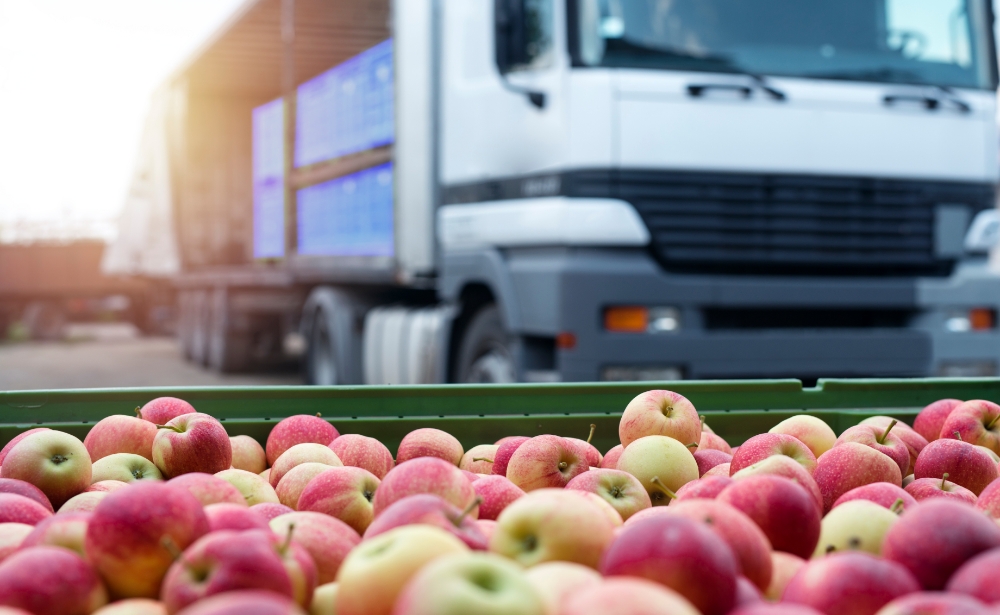
Transport costs could reach the food basket; The concern extends beyond motorists paying more to fill their vehicles. Higher fuel and transport expenses can increase the cost of moving agricultural inputs, transporting harvested produce and distributing food from suppliers to shops.
Businesses facing higher delivery and operating costs may absorb some of the increase, reduce their margins or pass part of it on to consumers. The extent to which these costs reach retail prices will depend on factors such as competition, supply conditions and businesses’ ability to absorb additional expenses.
Williams argues that food inflation could face further pressure, particularly as farmers contend with higher input costs and weather-related risks.
For households already allocating a substantial share of their income to food and transport, further increases could leave less money available for rent, school expenses, healthcare and other necessities.
Williams also points to Russia’s war with Ukraine and disruptions affecting grain exports through the Black Sea as factors that could influence food prices.
The region is an important source of internationally traded grain. Disruptions to shipping and export routes can affect availability, freight costs and global prices, with consequences for countries that depend on imported agricultural commodities. Recent reporting has documented continuing disruption to Black Sea grain trade and changes in Russian export routes.
For Namibia, exposure to international food markets means that global supply pressures can become a domestic concern, although the actual impact will depend on import sources, exchange rates, transport costs and local harvest conditions.
A further risk comes from the developing El Niño weather pattern, raising concerns over the coming planting season. Williams warns that it could bring drought conditions across the region during a critical planting period.
Forecasts for Southern Africa’s October 2026 to March 2027 rainy season point to risks including below-average rainfall, prolonged dry spells and above-average temperatures in several countries. These conditions could threaten agricultural production and increase food-security pressures.
However, the extent of the impact on Namibia’s food supply and prices remains uncertain. Weather conditions, local production, regional trade and government responses will all influence the outcome.
The central concern is that transport and food pressures could reinforce one another. Higher transport expenses can raise the cost of distributing food, while weaker regional harvests could tighten supplies and add further upward pressure on prices.
For consumers, the risk is that even if overall inflation moderates, essential expenses could continue taking a large share of household income.
For businesses, particularly retailers, wholesalers, farmers and transport operators, the challenge will be managing rising costs without placing additional pressure on customers.
Williams’ warning highlights the importance of watching not only the headline inflation rate but also the prices of essential goods and the conditions affecting food production and distribution.
The coming months will show whether these risks translate into higher food inflation. For now, transport costs, international grain disruptions and the regional drought outlook are important pressures for households, businesses and policymakers to monitor.