FMD Outbreak Threatens to Push Meat Prices Higher as Inflation Accelerates
Standard Bank Namibia’s September 2026 Consumer Price Index (CPI) review shows that annual headline inflation accelerated to 5.4% in September, up from 5.0% in August and 3.5% in September 2025
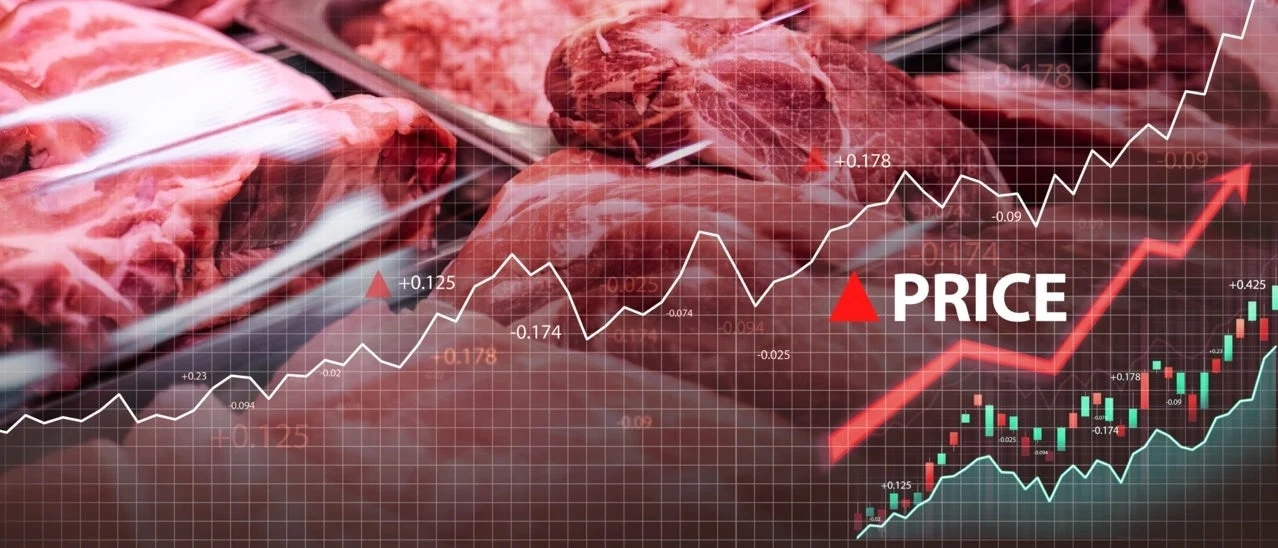
Namibia’s accelerating inflation and the foot-and-mouth disease (FMD) outbreak could put further pressure on household budgets as livestock movement restrictions disrupt meat supply and raise concerns about food prices.
Annual headline inflation rose to 5.4% in September 2026, up from 5.0% in August and 3.5% in September 2025, according to Standard Bank Namibia’s September inflation review.
While transport and energy costs remain the main drivers of inflation, the bank warned that FMD could add to food-price pressures in the coming months.
The outbreak, which had affected approximately 29,000 animals according to figures cited in the outbreak response, prompted movement restrictions aimed at containing the disease. These measures disrupted the movement of livestock to abattoirs, limiting the number of animals available for slaughter and reducing meat supply.
Speaking to Business Pulse 360°, Desmond Cloete, head of marketing at the Meat Board of Namibia, said the resulting price pressures reflected the relationship between supply and demand.
“Prices are driven by demand and supply,” Cloete said.
He explained that movement restrictions introduced under the FMD Containment Plan initially prevented cloven-hoofed animals from being transported to abattoirs. With fewer animals available for slaughter and demand remaining high, the reduced supply contributed to meat price increases.
Cloete added that some consumers were turning to alternative protein sources, including fish and poultry, potentially placing additional pressure on demand for these products.
Standard Bank’s review identified transport as Namibia’s largest contributor to inflation in September.
Annual transport inflation increased to 14.9%, from 13.2% in August, while petrol and diesel prices recorded a combined annual increase of 30.4%, according to the review.
Higher fuel and transport costs can feed into food prices as livestock, meat and other goods move through supply chains. Businesses facing higher distribution and operating costs may pass some of these expenses on to consumers.
Food and non-alcoholic beverage inflation stood at 4.0% in September. However, Standard Bank warned that the outlook for food prices was becoming more concerning because of FMD-related supply disruptions and potential weather-related pressures.
An overall inflation rate of 5.4% does not mean that every product has increased in price by the same amount. Inflation measures the average change in prices across a basket of goods and services, with individual products experiencing different price movements.
Cloete said the Directorate of Veterinary Services had issued Veterinary Public Notification No. 20 of 2026 and Circular V8/2026, relaxing certain containment measures.
The measures allow livestock from registered feedlots and isolation camps to be slaughtered at registered abattoirs, with the meat supplied to the domestic market.
According to Cloete, the changes should improve meat availability and have a positive effect on retail prices.
However, the extent of any relief will depend on slaughter volumes, the availability of meat on the market and consumer demand. Further relaxation of restrictions may be considered depending on progress in containing the outbreak.
The immediate priority remains preventing the further spread of FMD while protecting Namibia’s livestock industry and export markets.
Cloete stressed that regaining the country’s disease-free status remained non-negotiable, given Namibia’s position as a net exporter of livestock and livestock products.
Standard Bank expects headline inflation to average above 4.35% in 2026 before rising to approximately 5.2% in 2027, with elevated oil prices and food-related risks contributing to the outlook.
For households, the combination of higher transport costs and potential food-price increases could further constrain purchasing power.