Supermarket Sales Surge 13.8% In The 2Q of 2026
Namibia’s wholesale and retail trade sector recorded strong growth in the second quarter of 2026,
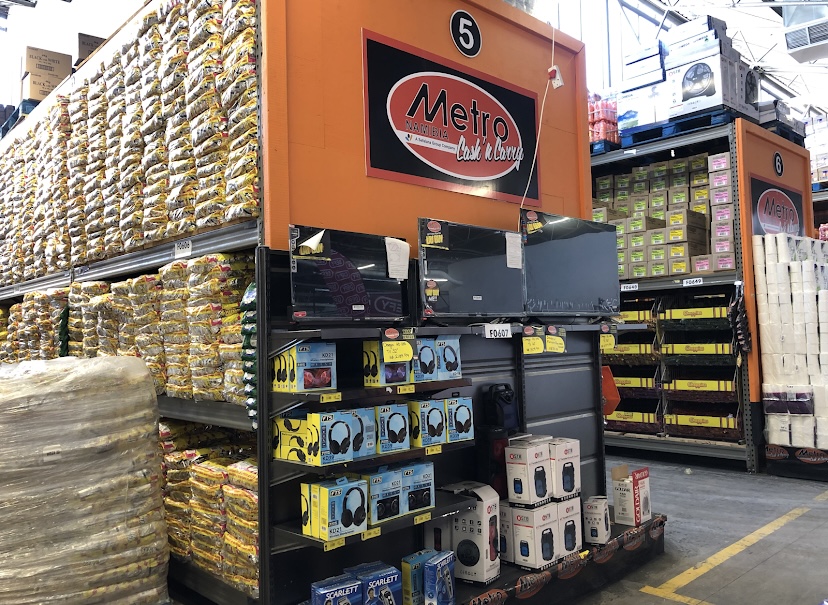
Namibia’s wholesale and retail trade sector recorded strong growth in the second quarter of 2026, supported by increased household spending, improved purchasing activity and higher sales volumes at supermarkets, wholesalers and clothing retailers.
Figures from the Namibia Statistics Agency (NSA) show that wholesale and retail trade grew by 9.0% in real terms during the quarter, compared with 6.5% in the second quarter of 2025. The sector contributed 0.9 percentage points to Namibia’s overall economic growth of 4.8%, making it one of the important drivers of the economy between April and June.
The Bank of Namibia’s September 2026 Quarterly Bulletin also reported that real turnover in wholesale and retail trade increased by 8.9% year-on-year, while rising by 3.8% compared with the first quarter of 2026. Real turnover measures sales after adjusting for price changes, making it a stronger indication of activity than simply counting the money collected by businesses.
Supermarkets recorded the strongest performance among the retail categories highlighted by the NSA, with sales volumes increasing by 13.8% year-on-year. Wholesalers followed with growth of 4.5%, while clothing retailers recorded a 2.0% increase.
The figures suggest that supermarkets were central to the sector’s expansion. Higher supermarket sales can reflect increased household purchases of everyday necessities, including food and other household goods. However, the published figures do not identify which individual products sold best.
The increase in sales also coincided with a recovery in household spending. Private final consumption expenditure rose by 11.6% in real terms, reversing a 5.9% decline in the second quarter of 2025, according to the NSA.
Several factors supported the improved trading environment. The Bank of Namibia cited lower inflation and interest rates, steady government expenditure, increases in the government wage bill that exceeded inflation, and ongoing oil and gas exploration activities.
In practical terms, when households have more spending power and businesses serving exploration projects purchase supplies, more money can flow through shops, wholesalers and other suppliers.
Vehicle sales also strengthened. The Bank of Namibia reported a 12.5% year-on-year increase in new vehicles sold, driven by a 25.3% rise in commercial vehicle sales. Passenger vehicle sales, however, declined slightly by 0.5%.
A key question is whether the increase in retail sales is translating into stronger demand for goods produced locally or whether retailers are relying increasingly on imported products.
The NSA reported that imports of goods and services increased by 12.9% in real terms during the second quarter. It linked this development to stronger domestic demand and rising imports of finished goods, alongside increased sales volumes at supermarkets and clothing retailers.
This points to an important distinction: stronger retail activity does not automatically mean that domestic manufacturing has expanded at the same pace. Some of the additional demand was met through imported finished products.
For local manufacturers, farmers, food processors and small businesses, the growth presents an opportunity to supply retailers and wholesalers with products that meet their requirements for quality, price, consistency and volume.
Namibia’s second-quarter performance shows that consumer demand can support business activity and contribute significantly to national economic growth.