Sunday, 1 November 2026 · Windhoek

Business Pulse 360°

Covering Business from Every Angle

Most Read

Opening the edition

Namibia’s business news & intelligence Vol. 2 | Issue 2 | October 2026

Business Pulse 360° Issue 2 / Oct 2026

To Advertise
With Us
Contact us on: 081 4275437

16 October 2026

Facebook Instagram Linkedin businesspulse360.com Vol.2 No:2
Insights / Analysis / Opportunities Covering Business from Every Angle

In this edition

  1. 2 Cover stories 3
  2. 3 Business News Corporate, government, trade, investment and employment news. 5
  3. 4 Sector Pulse Mining, oil and gas, energy, agriculture, tourism, property, transport, finance and technology. 7
  4. 5 Economy 360° GDP, inflation, interest rates, employment, trade and economic policy. 3
  5. 6 Global Business African and international developments relevant to Namibia. 1
Business Pulse 360 Real business. A 360 degree view.

news@businesspulse360.com | Covering Business from Every Angle

Page 2

Cover stories

NAMDIA achieved an average diamond price of US$339.87 per carat in 2025, around 20% above Namibia’s overall export average. NAMDIA

MINING & MINERALS

NAMDIA Achieves US$339.87 Per Carat, Outperforming Diamond Export Average

NAMDIA's average price exceeded Namibia’s overall export average, highlighting the value its sales approach delivers in a challenging global market.
Namib Desert Diamonds (NAMDIA) achieved an average selling price of US$339.87 per carat in 2025, approximately 20% above Namibia’s overall diamond export average of US$282.54 per carat, highlighting the company’s efforts to maximise value from the country’s diamond resources.

According to the 2025 Kimberley Process Statistics, Namibia’s average diamond export price was higher than those recorded by Russia, Botswana and Canada, which NAMDIA identified in its statement as three of the world’s largest diamond-producing nations by volume.

Speaking to Business Pulse 360°, NAMDIA Public Relations and Communications Officer Beverley Coussement said the company focuses on understanding international buyer demand and securing the best possible prices for its diamond allocation.

Coussement clarified that NAMDIA does not receive specially selected or higher-quality diamonds, but instead receives a 15% run-of-mine allocation from the same production.

She said the company’s approach centres on understanding what buyers are willing to pay and using market insights to achieve the best possible returns.

“As an organisation with price discovery at the heart of its mandate, our performance must ultimately be reflected in the value achieved for Namibian diamonds,” NAMDIA said.

Coussement added that Namibia’s natural diamonds are recognised for their quality, enabling the country to achieve competitive average prices despite producing fewer carats than some major diamond-producing nations.

She said this also offers a broader lesson for the mining sector, where performance should not be measured by production volumes alone, but also by the value generated from mineral resources.

However, Coussement cautioned that NAMDIA’s approach may not be directly transferable to other mining industries, as each mineral sector operates under different market conditions.

Meanwhile, NAMDIA said the global natural diamond market remained challenging in 2026, adding that it was focused on strengthening its sales strategy and continuing to secure the best possible value for Namibia’s diamonds.

Coussement said Namibia did not need to be the world’s largest diamond producer to stand out internationally, noting that the quality of its diamonds and the prices they command remain important competitive advantages.

Read this story on the site ›

Market & Sectors

NIPDB Partners With MSC Cruises to Create Jobs for Namibians

MSC Cruises to create employment opportunities for Namibians aboard its cruise ships. MSC Cruises

The Namibia Investment Promotion and Development Board (NIPDB) has partnered with MSC Cruises to create employment opportunities for Namibians, with 130 vacancies remaining open after nearly 200 positions were made available this year.

In a statement issued on Thursday, NIPDB noted that the partnership, which began in mid-2023, connects eligible Namibians with international jobs aboard cruise ships in hospitality, food and beverage, guest services, entertainment, retail, beauty and wellness, according to the NIPDB.

The initiative comes as Namibia continues to face high youth unemployment, with data from the Namibia Statistics Agency’s 2023 Labour Force Survey, revealing that unemployment among Namibians aged 15 to 34 stood at 44.1%.

NIPDB said the partnership’s initial recruitment drive, conducted in 2023 and early 2024, attracted more than 8,400 applications, of which, 42 candidates received job offers, while 25 took up positions aboard MSC cruise ships.

According the statement, 75 candidates have received employment offers this year, with four having already departed to begin work. The remaining successful candidates are scheduled to embark between November 2026 and March 2027.

The board further stated that it is responsible for raising awareness about these opportunities, engaging key stakeholders, and connecting eligible candidates with MSC Cruises, further stating that the cruise line provides jobs while exposing successful applicants to a dynamic international working environment.

The NIPDB said the experience can help candidates develop practical skills, gain exposure to international workplace standards and strengthen their long-term career prospects.

The board also cited MSC Cruises’ commitment to human rights, transparent business practices and a zero-tolerance approach to human trafficking as considerations in the partnership.

The current recruitment opportunities are open to Namibian citizens aged 18 and older who have completed Grade 10, 11 or 12 and are proficient in German. Applicants must also meet the requirements of individual positions.

journalist@businesspulse360.com

Read this story on the site ›

Energy

Namibia`s External Deficit Reaches N$12.1bn as Oil Exploration Bills Rise

Oil and gas exploration is creating new economic activity, but the associated payments for services also contribute to the country’s external costs.

Namibia’s current account deficit widened to N$12.1 billion in the second quarter of 2026, with rising import costs and payments for oil and gas exploration adding pressure to the country’s external position.

This means that the country spends more money on imports than what it generates through the exports of goods and services.

According to the Bank of Namibia’s September 2026 Quarterly Bulletin, the deficit increased by N$6.8 billion compared to the second quarter of 2025 and by N$1.3 billion from the first quarter of 2026.

The Bank attributed the deterioration largely to a wider merchandise trade deficit and higher service payments associated with oil and gas exploration and appraisal.

The current account measures the money flowing into and out of a country through trade in goods and services, as well as certain income and transfer payments. A deficit means the country’s receipts from these transactions fall short of its payments.

According to BON, the deficit reached 17.1% of quarterly gross domestic product (GDP), up from 15.2% in the first quarter of 2026 and 8.1% in the corresponding quarter of 2025.

Despite the widening deficit, Namibia’s foreign reserves increased by 9% during the second quarter to N$56.4 billion at the end of June.

The Bank said the increase was mainly driven by Southern African Customs Union (SACU) revenue and other financial inflows.

Reserves were sufficient to cover 3.5 months of imports, rising to 3.9 months when oil and gas-related imports were excluded. By August 2026, reserves had increased further to N$58.5 billion.

journalist2@businesspulse360.com

Read this story on the site ›

Business Pulse 360° Cover stories Page 2 of 6

Page 3

Business News

Corporate, government, trade, investment and employment news.

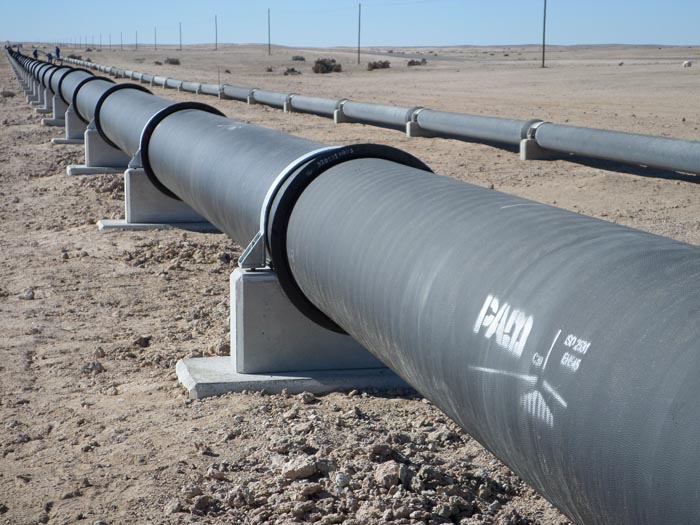
Water supply pipelines are essential to delivering water to communities, farmers and livestock owners. NamWater has warned that vandalism threatens reliable water supply along the Okakarara–Elandspan pipeline system. The brief

Water Security

Pipeline Vandalism Threatens Namibia’s Water Security and Economic Activity

NamWater warns that pipeline vandalism along the Okakarara–Elandspan system threatens community water supplies, disrupts agricultural activities and diverts resources from infrastructure development.

Namibia’s water security and rural economic activity faces growing risks following incidents of vandalism along the Okakarara–Elandspan pipeline system, with NamWater stressing that damage to critical infrastructure is disrupting water supply and increasing operational costs.

In a public notice this week, the Namibia Water Corporation (NamWater) said incidents include cutting pipes and tampering with air valves to release water.

The affected areas include pipeline branches between Okamutenja and Omuramboviruru, Omungondonguvi and Otjitaazu, as well as Otjengondo and Ourundu. Other incidents have also been reported at Okauha, supplied from Coblenz.

NamWater warned that the damage threatens reliable water access for households, farmers and other customers, while forcing the corporation to redirect financial and technical resources towards emergency repairs.

“Repairing damaged pipelines requires technical personnel, equipment, materials and financial resources that could otherwise be directed towards improving and expanding water supply services,” the corporation said.

The economic implications extend to agriculture and livestock farming, which depend on reliable water supplies to sustain production. Prolonged interruptions can affect rural livelihoods, disrupt water-dependent activities and place additional pressure on communities already facing water security challenges.

The corporation said damaged pipelines may take several days to refill and recover sufficient pressure after repairs, potentially prolonging disruptions for downstream customers. The resulting repair costs also divert resources from planned maintenance and infrastructure development, which are essential for strengthening Namibia’s water supply network.

NamWater further reminded the public that Section 127(1)(e) of the Water Resources Management Act, 2013 (Act No. 11 of 2013) makes unlawful damage to, or interference with, water infrastructure an offence.

“NamWater will report incidents of vandalism and suspected unlawful interference with its infrastructure to the Namibian Police for investigation and appropriate legal action,” the notice stated.

The corporation has urged farmers, community leaders, customers and residents to protect water infrastructure and promptly report leaks, damaged pipes or suspected vandalism to its Okakarara or Otjiwarongo offices.

Read this story on the site ›

Tech & Innovation

ICT Summit Puts Digital Jobs & Regional Investment in Focus

​Hosting the 9th National ICT Summit in Ongwediva creates new avenues to drive regional business growth, encourage digital innovation, and expand job opportunities beyond Windhoek.

Namibia is looking to position information and communication technology (ICT) as a driver of job creation, entrepreneurship and regional economic growth, with calls for lower data costs, expanded broadband coverage and increased investment in digital innovation outside Windhoek.

Ministry of Information and Communication Technology, Executive Director, Linda Nakale said the 9th National ICT Summit, taking which is set to take place in Ongwediva this week must move beyond discussions on technology towards practical solutions that address unemployment, poverty and economic inequality.

Speaking ahead of the summit’s four-day programme, Nakale said the theme, “Harnessing ICT for Inclusive Growth: Digital Pathways to Reduce Unemployment and Eradicate Poverty,” reflects the need to make digital technologies accessible to businesses, communities and individuals across the country.

She said expanding access to digital infrastructure and skills could create opportunities for young people to establish technology-driven businesses, participate in remote work and access employment markets beyond their immediate geographical locations.

“Technology alone will not reduce unemployment or eradicate poverty,” Nakale said, adding that innovation, collaboration and inclusion would determine whether digital transformation translates into improved livelihoods.

From an economic perspective, the government’s focus is on using digital connectivity to expand participation in the economy, particularly among young people, small businesses and rural communities that face barriers to accessing markets and employment opportunities.

Nakale said reliable internet access could enable local producers, including clay-pot makers and basket weavers in rural areas, to reach customers beyond their communities, compare market prices and communicate directly with buyers.

For unemployed graduates, digital platforms could provide access to online training, employment opportunities and remote work, while digital entrepreneurship could open additional income streams.

A key expectation of the summit is to develop practical approaches to reducing data costs, expanding network coverage and integrating digital literacy into the national education system.

Nakale said hosting the summit in Ongwediva, rather than Windhoek, also highlights the importance of decentralising digital innovation and encouraging investment in regional economies.

She called for government institutions and technology companies to translate the decentralisation agenda into investment strategies that extend digital infrastructure and innovation opportunities beyond the capital.

The summit is also expected to strengthen public-private partnerships aimed at accelerating digital infrastructure deployment and aligning government priorities with private-sector capabilities.

For businesses, wider connectivity could improve access to customers, support more efficient operations and create opportunities to develop services for domestic and international markets.

Youth employment and technology-driven entrepreneurship are also central to the summit’s agenda.

The summit will bring together policymakers, technology companies, financial institutions, academic institutions and innovators to explore practical approaches to digital transformation.

It is also expected to provide a platform for local innovators to showcase their businesses and technologies, with the broader objective of strengthening Namibia’s technological competitiveness.

journalist1@businesspulse360.com

Read this story on the site ›

Tech & Innovation

Namibia to Develop AI Policy for Civil Servants

The Ministry of ICT is working with the Office of the Prime Minister on guidelines for AI use in government, alongside broader efforts to expand digital skills, improve connectivity and promote digital transformation.

ICT Minister Emma Theofelus announces plans for an AI policy for civil servants. Contributed

By: Elizabeth Naftal

Namibia is set to develop an internal policy guiding the use of artificial intelligence (AI) by civil servants, following a Cabinet directive to the Office of the Prime Minister and the Ministry of Information and Communication Technology (ICT).

Speaking at the official opening of the 9th National ICT Summit in Ongwediva on Tuesday, Information and Communication Technology Minister, Emma Theofelus said the policy would guide civil servants on the use of AI in the public service, including the safeguards required.

“The Office of the Prime Minister and MICT have been directed by Cabinet to develop an internal policy that will guide civil servants on how to use AI in the public service, and all the guardrails that come with it,” she said.

An Artificial Intelligence policy for civil servant is crucial because it establishes blue operational guardrails, protects public trust and ensures that automated tools enhance rather than compromise-democratic accountability fairness and data protection.

Theofelus also highlighted the role of digital skills in addressing youth unemployment, saying young people need relevant training, reliable connectivity, mentorship and financing to benefit from opportunities in the digital economy.

''Through Project 1000, the ministry is working to equip young Namibians with practical digital skills and connect them with opportunities in emerging technology-driven industries'' she added.

She further emphasised the need to expand broadband infrastructure, particularly in underserved communities, to ensure more Namibians can access online learning, employment opportunities and digital services.

“Connectivity is not simply about having internet access, it is about what people can do once they are connected,” Theofelus said.

The minister also pointed to the DigiNAM initiative, which supports secure online identification, electronic signatures and digital transactions, saying trust is essential as Namibia expands its digital services.

The summit is being held under the theme “Harnessing ICT for Inclusive Growth: Digital Pathways to Reduce Unemployment and Eradicate Poverty.”

journalist@businesspulse360.com

Read this story on the site ›

Market & Sectors

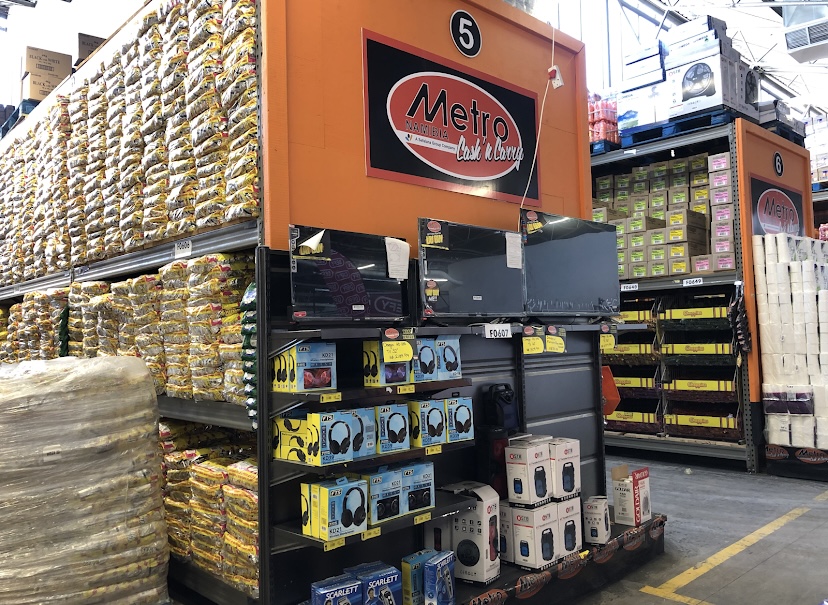
Supermarket Sales Surge 13.8% In The 2Q of 2026

Namibia’s wholesale and retail trade sector recorded strong growth in the second quarter of 2026,

Namibia’s wholesale and retail trade sector recorded strong growth in the second quarter of 2026, supported by increased household spending, improved purchasing activity and higher sales volumes at supermarkets, wholesalers and clothing retailers.

Figures from the Namibia Statistics Agency (NSA) show that wholesale and retail trade grew by 9.0% in real terms during the quarter, compared with 6.5% in the second quarter of 2025. The sector contributed 0.9 percentage points to Namibia’s overall economic growth of 4.8%, making it one of the important drivers of the economy between April and June.

The Bank of Namibia’s September 2026 Quarterly Bulletin also reported that real turnover in wholesale and retail trade increased by 8.9% year-on-year, while rising by 3.8% compared with the first quarter of 2026. Real turnover measures sales after adjusting for price changes, making it a stronger indication of activity than simply counting the money collected by businesses.

Supermarkets recorded the strongest performance among the retail categories highlighted by the NSA, with sales volumes increasing by 13.8% year-on-year. Wholesalers followed with growth of 4.5%, while clothing retailers recorded a 2.0% increase.

The figures suggest that supermarkets were central to the sector’s expansion. Higher supermarket sales can reflect increased household purchases of everyday necessities, including food and other household goods. However, the published figures do not identify which individual products sold best.

The increase in sales also coincided with a recovery in household spending. Private final consumption expenditure rose by 11.6% in real terms, reversing a 5.9% decline in the second quarter of 2025, according to the NSA.

Several factors supported the improved trading environment. The Bank of Namibia cited lower inflation and interest rates, steady government expenditure, increases in the government wage bill that exceeded inflation, and ongoing oil and gas exploration activities.

In practical terms, when households have more spending power and businesses serving exploration projects purchase supplies, more money can flow through shops, wholesalers and other suppliers.

Vehicle sales also strengthened. The Bank of Namibia reported a 12.5% year-on-year increase in new vehicles sold, driven by a 25.3% rise in commercial vehicle sales. Passenger vehicle sales, however, declined slightly by 0.5%.

A key question is whether the increase in retail sales is translating into stronger demand for goods produced locally or whether retailers are relying increasingly on imported products.

The NSA reported that imports of goods and services increased by 12.9% in real terms during the second quarter. It linked this development to stronger domestic demand and rising imports of finished goods, alongside increased sales volumes at supermarkets and clothing retailers.

This points to an important distinction: stronger retail activity does not automatically mean that domestic manufacturing has expanded at the same pace. Some of the additional demand was met through imported finished products.

For local manufacturers, farmers, food processors and small businesses, the growth presents an opportunity to supply retailers and wholesalers with products that meet their requirements for quality, price, consistency and volume.

Namibia’s second-quarter performance shows that consumer demand can support business activity and contribute significantly to national economic growth.

journalist2@businesspulse360.com

Read this story on the site ›

Energy

CMB.TECH Expands Ammonia-Powered Shipping as Namibia Develops Walvis Bay Fuel Hub

The maiden voyage of an ammonia-powered cargo vessel highlights the growing use of alternative marine fuels as Belgian maritime company CMB.TECH advances plans for ammonia infrastructure in Namibia.

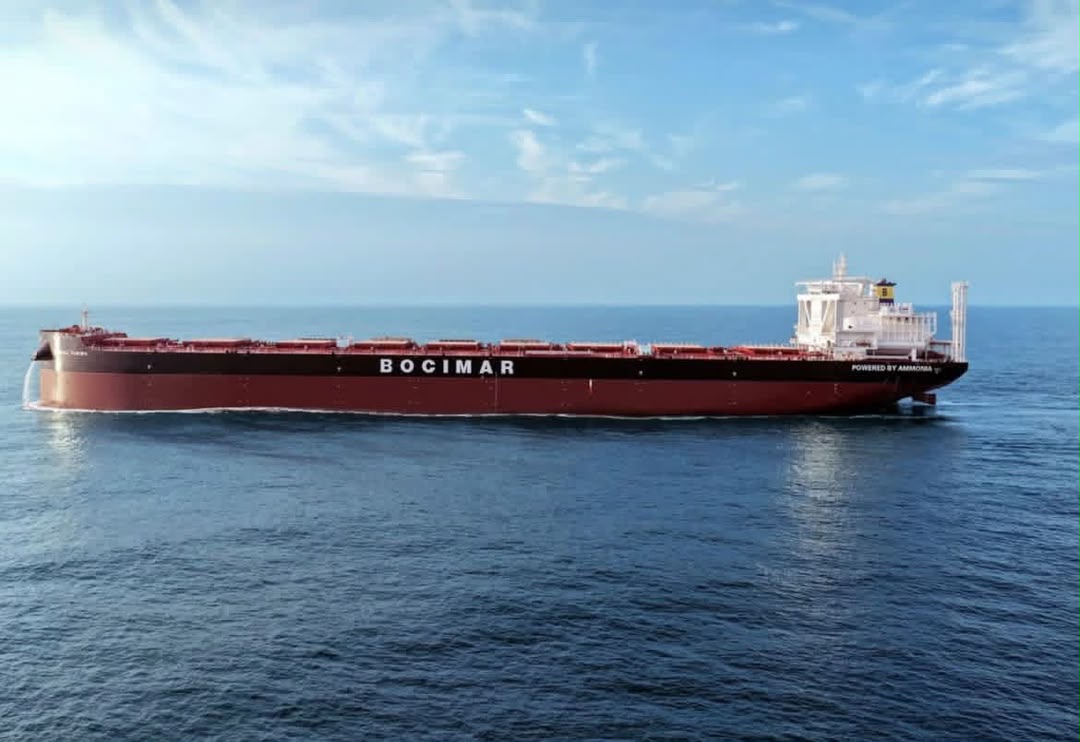
CMB.TECH’s Mineral Europa began its maiden voyage from China to Australia on Friday. CMB.TECH, Green Hydrogen, Green Ammonia, Walvis Bay, Energy, Shipping

By: Elizabeth Naftal

Belgian maritime and clean-energy company CMB.TECH’s ammonia-powered dry bulk vessel, Mineral Europa, began its maiden voyage from China to Australia on Friday, with the company planning to add 21 more ammonia-powered vessels to its fleet by 2029.

According to the Namibia Green Hydrogen Programme, the vessel has a carrying capacity of 210,000 deadweight tonnes. The Programme presented the voyage as an example of the growing commercial use of ammonia as an alternative marine fuel.

The Green Hydrogen Programme also indicated that CMB.TECH is developing green hydrogen production and refuelling infrastructure in Walvis Bay, alongside a proposed ammonia storage and bunkering terminal at the Port of Walvis Bay.

The planned terminal is expected to have a storage capacity of 55,000 tonnes, the statement noted.

The facility could support the storage and distribution of ammonia for maritime use, although the statement did not confirm whether it would supply Mineral Europa or the company’s planned vessels, Namibia Green Hydrogen Programme said.

Meanwhile, CMB.TECH is collaborating with TransNamib on a hydrogen-diesel dual-fuel locomotive. The proposed six-month pilot would involve approximately 50 return journeys between Walvis Bay and Windhoek.

journalist@businesspulse360.com

Read this story on the site ›

Business Pulse 360° Business News Page 3 of 6

Page 4

Sector Pulse

Mining, oil and gas, energy, agriculture, tourism, property, transport, finance and technology.

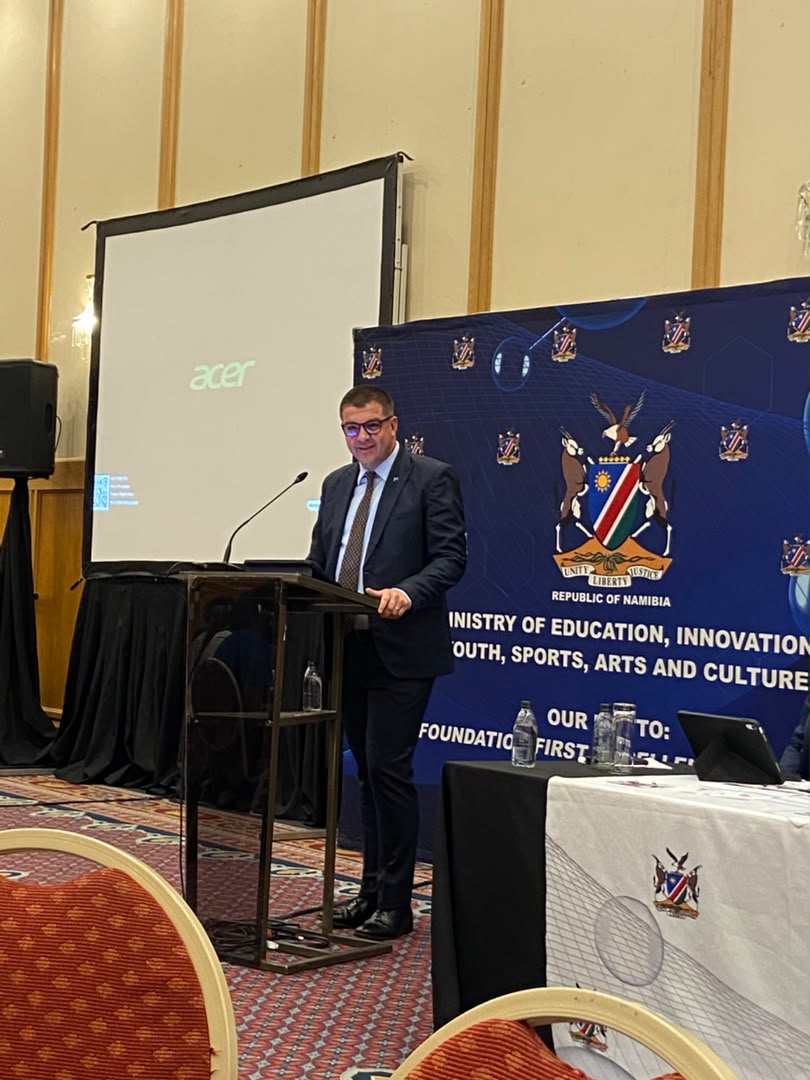
Deputy Minister Dino Ballotti addresses stakeholders during the Ministry of Education, Innovation, Youth, Sports, Arts and Culture’s strategic planning event in Windhoek. Business pulse 360°

Business

2025/2030 Education Strategy Targets Skills Gap to Drive Economic Growth

Namibia’s education strategy aims to address skills shortages and youth unemployment by aligning training with labour market needs and supporting entrepreneurship.

By Johanna N Festus

In a milestone move aligning human capital development with national economic growth, the Ministry of Education, Innovation, Youth, Sports, Arts and Culture (MEIYSAC) on Monday officially launched its inaugural joint Strategic Plan for 2025–2030 in Windhoek.

​Deputy Minister, Dino Balloti presented the comprehensive five-year roadmap, which for the first time merges education, sports, arts, culture, and innovation under a unified framework.

''The ministry’s Strategic Plan for 2025–2030 identifies youth unemployment, skills shortages and infrastructure gaps as key challenges to be addressed through human capital development and improved service delivery'' he said.

The plan aligns with Namibia’s Vision 2030 and the Sixth National Development Plan, as well as continental frameworks such as the Continental Education Strategy for Africa (CESA), with the aim of supporting inclusive socio-economic development.

Balloti said the ministry’s framework is built around eight pillars and 13 strategic objectives. These include transforming at least four vocational training centres into technical and vocational education and training (TVET) colleges offering qualifications up to National Qualifications Framework (NQF) Level 6.

He added that Ihe plan also outlines measures to strengthen the national human resource development strategy, expand entrepreneurship grant funding for youth enterprises, decentralize sports and youth functions to regional councils, and improve information and communication technology connectivity in schools.''

These measures are intended to strengthen vocational and digital skills development, improve young people’s employment prospects and support productivity across Namibia’s economy.

Read this story on the site ›

Tech & Innovation

Digital Mobility Offers New Business Opportunities for Namibia’s Economy

Digital mobility could create opportunities for Namibian entrepreneurs, support transport-related businesses and expand the role of technology in the country’s economy.

Booking a ride on a smartphone could create business opportunities beyond the driver behind the wheel, supporting businesses such as vehicle repair shops, tyre suppliers and insurance providers.

This was highlighted by Yango Country Manager Alex Mungai at the 9th National ICT Summit this week, where he discussed how technology-based transport services could help local entrepreneurs participate in Namibia’s growing digital economy.

When a passenger requests a ride through an app, the technology connects them with a driver, calculates the fare and helps determine the route. Behind this simple process is a digital system that links passengers, drivers and other service providers.

Mungai said digital mobility platforms create opportunities for driver-partners and fleet owners, while supporting related businesses such as vehicle mechanics, tyre shops, service centres and insurance providers.

Under Yango’s asset-light model, the company provides the technology platform, while local driver-partners and fleet owners own and maintain the vehicles. This enables entrepreneurs to use the platform to run transport businesses without the company itself owning the vehicles.

Beyond connecting passengers with drivers, these platforms rely on information and communication technology (ICT) to match rides, optimise routes, calculate fares, process payments and support safety monitoring.

The model illustrates how digital technology can facilitate business activity across the transport value chain, potentially creating opportunities for more local businesses to participate in the digital economy.

However, Mungai said realising this potential will depend on reliable network connectivity, accessible digital payment systems and compliance with transport licensing and safety requirements.

Accordingly to him, cooperation between technology platforms, regulators and local authorities will also be important in ensuring that digital mobility services operate within Namibia’s regulatory framework.

Organised by the Ministry of Information and Communication Technology, the summit brought together stakeholders to explore how digital solutions can support economic development, entrepreneurship and employment.

For Namibia, the focus is on ensuring that the growth of digital services translates into meaningful opportunities for local entrepreneurs and small businesses, while strengthening the transport sector and broader digital economy.

journalist1@businesspulse360.com

Read this story on the site ›

Tech & Innovation

Germany’s N$822 Million Namibia Package Awaits Measurable Economic Targets

Namibia and Germany are reshaping their longstanding development partnership around green growth, climate resilience

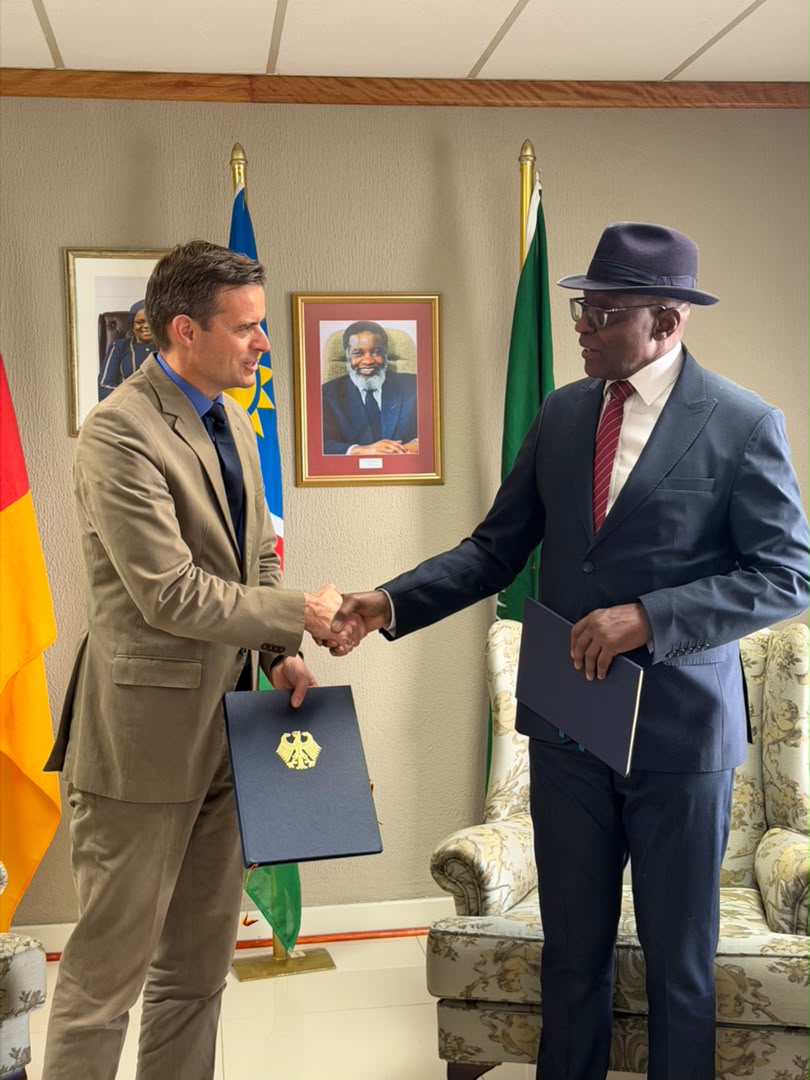
Namibia and Germany are yet to agree on measurable employment, skills development and investment targets under their evolving development partnership, despite €43.8 million (about N$822 million) committed during bilateral government negotiations in 2025.

The funding forms part of a broader cooperation programme that the two countries are reshaping around climate resilience, green energy, skills development and economic transformation.

Responding to questions from Business Pulse 360, the German Embassy said most projects agreed upon in 2025 remain under preparation or have only recently entered implementation, meaning the full economic impact of the commitments is yet to be established.

The Embassy also confirmed that specific initiatives under the partnership’s latest strategic priorities remain under discussion, with new funding commitments expected during government negotiations in 2027.

The direction of the partnership emerged from the Namibia-Germany Strategic Dialogue held in Opuwo late last month, where the two governments identified climate-resilient water security, biodiversity and livelihoods, alongside a just green energy and skills transformation, as key priorities.

Germany has provided more than €1.6 billion, equivalent to approximately N$30 billion, in official development assistance to Namibia since independence in 1990, according to the two governments.

Germany describes Namibia as the largest recipient of its development cooperation in Africa on a per-capita basis.

The cooperation has supported renewable energy, water security, biodiversity conservation, sustainable urban development, vocational training and private-sector development.

The latest priorities seek to link these interventions more directly to economic diversification, employment creation and the development of green industries.

Of the N$822 million committed in 2025, approximately N$446 million (€23.8 million) is in grants, while about N$375 million is provided through a concessional loan.

The largest allocation is a €20 million (approximately N$375 million) loan from KfW Development Bank for the Sustainable and Inclusive Electrification Namibia programme.

Other allocations include about N$64 million for technical and vocational education and training through the German development agency GIZ, N$56 million for improving energy access and N$47 million for inclusive and sustainable urban development.

A further €2.5 million (approximately N$47 million) grant, implemented by the Federal Institute for Geosciences and Natural Resources (BGR), supports critical raw materials for the energy transition.

Natural-resource and conservation initiatives include €3 million (approximately N$56 million) for climate-resilient agriculture and food security, €4.2 million (approximately N$79 million) for sustainable financing of protected areas and another €4.2 million (approximately N$79 million) for community conservation.

An additional €1 million (approximately N$19 million) grant supports a GIZ Study and Experts Fund.

The projects are implemented through GIZ, KfW and BGR and form part of a wider portfolio comprising more than 50 projects.

However, the Embassy cautioned that funding commitments typically cover projects spanning several years and should not be interpreted as money already disbursed or spent.

journalist2@businesspulse360.com

Read this story on the site ›

Energy

Electricity Control Board Plans Penalties for Poor-Perfoming Electricity Utilities

ECB says its new electricity tariff system will end yearly guesswork and tie what utilities charge to how well they perform.

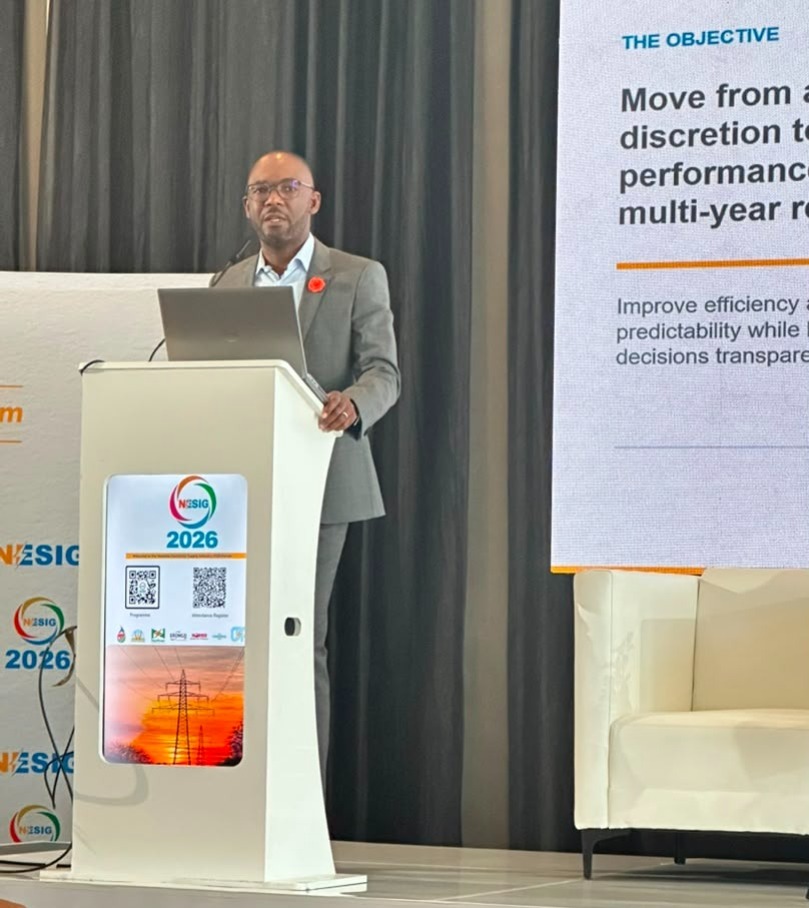
Electricity Control Board Acting Chief Executive Officer Pinehas Mutota speaks during a panel discussion at NESIG 2026 in Windhoek on Thursday. Businesspulse360

Electricity tariffs will no longer be set one year at a time, as the Electricity Control Board (ECB) moves to a multi-year system that rewards utilities that perform and penalises those that do not.

This follows after ECB earlier this year made a move aimed at balancing electricity supply costs with affordability, by introducing a new tariff methodology scheduled for implementation in 2027.

ECB`s Executive for Economic Regulations, Pinehas Mutota said the methodology will bring stability and make it easier for consumers to track how tariffs are set.

Mutota announced the change on Thursday during a panel discussion at the Namibia Electricity Supply Industry Forum (NESIG 2026) in Windhoek. The forum was held under the theme "Driving Affordable Energy Transformation Through Digital Innovation, Collaboration and Investment".

He further said the ECB will retain the cost-plus method while introducing performance indicators to reward utilities that meet their targets and penalise those that fall short.

“It would be a win-win situation for all of us,” he said, adding that the system will cover generation, transmission and distribution, with costs reconciled at the end of each period.

Mutota explained that the ECB is looking at cost allocation, because more embedded generators are connecting to the grid and tariffs should reflect how each user uses the network.

Addressing affordability, the executive said tariff-setting must consider efficiency, service delivery, transparency and feasibility, adding that the entire sector has a role in keeping electricity affordable.

He urged utilities, municipalities and other stakeholders to study the documents and take part in the process. "We want you to be there, so that by next year when we do the application, you are also ready," he said.

journalist@businesspulse360.com

Read this story on the site ›

Energy

Amutse Urges Electricity Suppliers to Make Electricity Affordable for Every Household

Energy minister challenges utilities, regulator and investors to show how digital innovation and new investment will lower electricity costs for ordinary households.

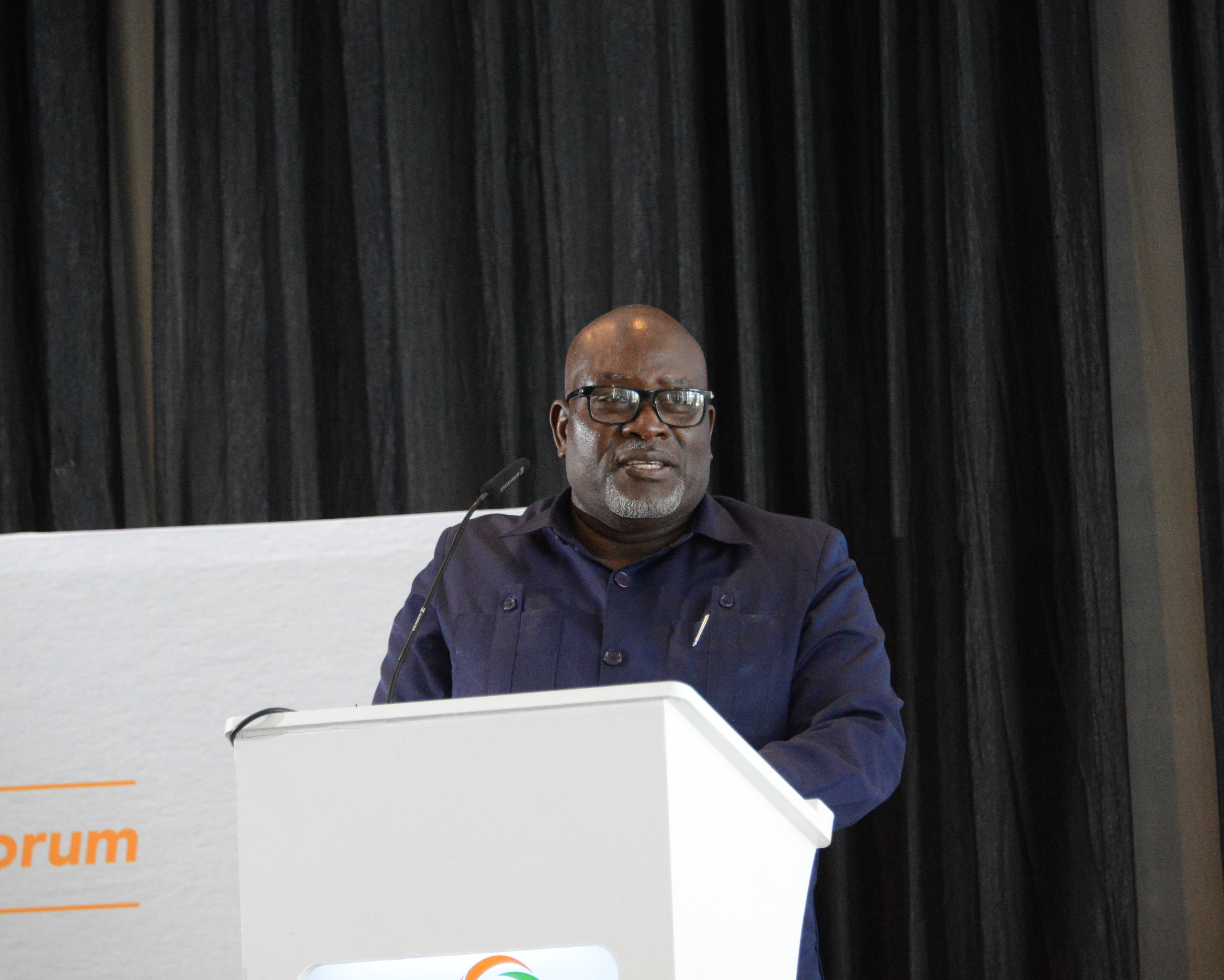
Minister of Industries, Mines and Energy Modestus Amutse delivers the keynote address at the Namibia ESI Forum in Windhoek on Thursday. Business Pulse 360°

Minister of Industries, Mines and Energy, Modestus Amutse has challenged Namibia's electricity sector to demonstrate how its plans will make electricity more affordable for households.

The minister said this on Thursday during the Namibia Electricity Supply Industry Forum (NESIG 2026) discussion in Windhoek.

Amutse stressed that affordability must be at the centre of the forum's discussions.

"A household can be connected to the grid and still live in the dark," he said. "Our responsibility does not end at the meter."

Amutse further noted that an approved electricity tariff does not necessarily mean every household can afford to pay for power.

Referencing the Namibia Statistics Agency's 2015/16 Namibia Household Income and Expenditure Survey, he said 17.4% of the population lived below the upper-bound poverty line, while salaries and wages were the main source of income for 53.6% of households, cautioning that these figures are historical and do not reflect current household incomes.

The minister also raised concerns about prepaid electricity meters, noting that households can lose access to electricity when their credit runs out without a formal disconnection taking place.

"Low consumption may reflect efficiency. It may also reflect hardship," he said. "We need to know the difference."

He questioned the Electricity Control Board (ECB) on how it evaluates efficiency claims and measures the impact of tariff increases on low-income households.

The minister also challenged regional electricity distributors to account for their losses and explain clearly what customers receive when purchasing prepaid electricity.

Investors, meanwhile, were asked to demonstrate how their projects would affect the final cost of electricity.

Moreover, on digital innovation, Amutse said artificial intelligence and improved data systems could help reduce faults and electricity losses. However, he stressed that these improvements must translate into tangible benefits for consumers. "Show us the route from investment to the household," he said.

Amutse further acknowledged that government must address situations where households cannot afford basic electricity, even when supply is efficient.

He said regulators and distributors could not resolve low household incomes through tariffs alone, adding that any support measures must be targeted and transparently funded.

"An unfunded promise does not protect a household," he said.

He also called for a common method of measuring the cost of basic household electricity across different income levels, arguing that a national average tariff alone does not adequately show the burden on households, saying he wants progress on these commitments reported at the next forum.

The forum was hosted under the theme "Driving Affordable Energy Transformation Through Digital Innovation, Collaboration and Investment".

journalist@businesspulse360.com

Read this story on the site ›

Tech & Innovation

Bank of Namibia Targets Youth-led Fintech Businesses to Drive Jobs

Namibia’s FinTech Youth Programme aims to equip young innovators with digital and financial technology skills, helping them develop business solutions and explore opportunities for employment and economic growth.

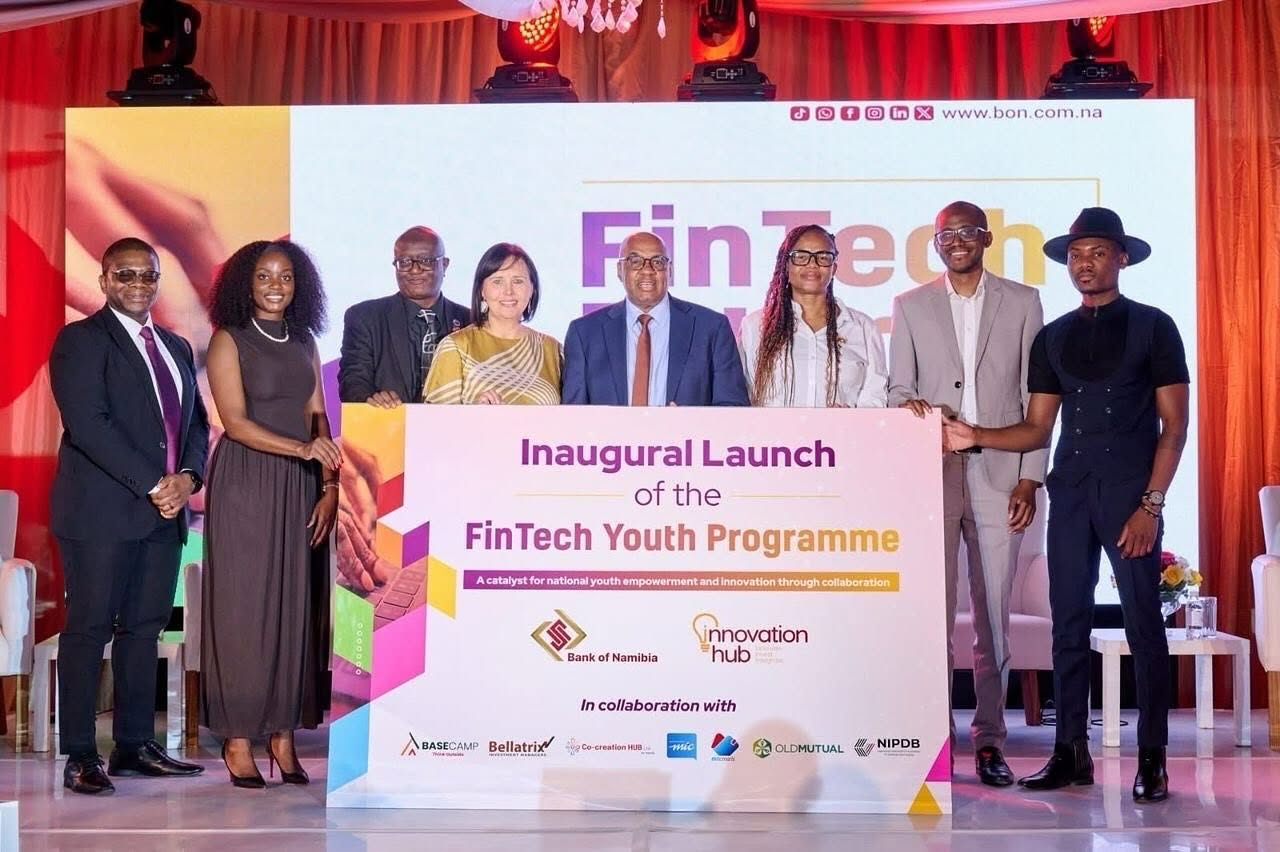
Namibia is looking to turn youth innovation into businesses and jobs through the Bank of Namibia’s FinTech Youth Programme, which aims to equip young entrepreneurs with the skills needed to develop and scale financial technology solutions.

Speaking at FinTech Square conference 2026 in Windhoek on Wednesday, Bank of Namibia`s Principal Innovation Hub Officer, Tuna Brock said the programme seeks to build young people’s knowledge of financial technology, digital services, regulatory requirements and market access, while creating opportunities for them to bring their ideas to market.

FinTech Square is an annual flagship conference and exhibition hosted by theNamibia Financial Institutions Supervisory Authority (NAMFISA). Launched in 2022, the platform bridges the gap between regulators, financial innovators, and investors to advance digital transformation and financial inclusion in Namibia’s non-banking financial sector.

Brock said the initiative comes amid the rapid growth of fintech across Africa and increasing interest among local innovators, highlighting the need for an ecosystem that supports young entrepreneurs in developing viable businesses.

“The objectives of our FinTech Youth Program is to build skills and knowledge,” she said.

Beyond banking and digital payments, Brock said fintech applications extend to sectors such as agriculture, mining, education and healthcare, offering opportunities for young Namibians to develop technology-based solutions to challenges across the economy.

The programme could help young entrepreneurs move beyond developing ideas to building businesses capable of serving customers, generating revenue and creating employment.

This is particularly relevant in Namibia, where high unemployment among young people makes the development of new businesses an important part of efforts to expand economic opportunities.

However, turning innovation into commercially sustainable businesses will require more than technical skills. Access to funding, mentorship, regulatory guidance and markets will be critical in helping young innovators test their products, attract customers and scale their operations.

Collaboration between regulators, financial institutions and entrepreneurs will also be important in ensuring that new solutions can operate within the regulatory framework while responding to real market needs.

The programme forms part of broader efforts to strengthen Namibia’s fintech ecosystem and encourage the development of scalable digital solutions to local socio-economic challenges.

journalist1@businesspulse360.com

Read this story on the site ›

Insights

!Khara-Khoen Chief Calls for Greater Youth Participation in Energy Projects

The call highlights the need for communities in the Hardap Region to secure lasting economic opportunities as Namibia develops its emerging energy industries.

Chief of the !Kharkhoen Traditional Authority calls for greater youth and community participation in Namibia’s green hydrogen and oil and gas industries. MICT

By: Elizabeth Naftal

Chief Gaob Dawid Hanse of the !Kharkhoen Traditional Authority has called on young people and local communities to secure a greater stake in Namibia’s green hydrogen and oil & gas industries, urging them to look beyond construction jobs.

Hanse made these remarks during an engagement between him and the Namibia Green Hydrogen Programme`s (NGH2P) Public Relations Officer, Jona Musheko in Mariental, on Monday.

Hanse stressed that local communities should not only participate in building energy projects but also prepare to benefit from their long-term operations through employment, skills development, business opportunities and ownership.

“We must not only build these projects; we must also become their owners, shareholders and employees,” he said.

The chief urged young people to acquire the skills needed to work in the industries once projects become operational, warning against a situation in which communities benefit from construction jobs but are excluded from greater future opportunities within the sector.

He also encouraged young people to rethink their approach to economic development while preserving their cultural heritage, calling on them to identify opportunities that could secure lasting benefits for future generations.

The chief further called on young people to voice their needs and participate in discussions about the rules governing the developments, emphasising the importance of local communities having a say in decisions that affect their future.

Speaking to Business Pulse 360°, Musheko explained that a Youth for Green Hydrogen Scholarship Programme was introduced to prepare young Namibians for the emerging sector, targeting young people from the Hardap and ǁKharas regions.

This programme officially accepted 93 students from the two regions for its third cohort this year, fully funding their technical and vocational training, with a total of N$25 million allocated under a Joint Communiqué of Intent (JCoI) partnership between the German and Namibian governments.

journalist@businesspulse360.com

Read this story on the site ›

Business Pulse 360° Sector Pulse Page 4 of 6

Page 5

Economy 360°

GDP, inflation, interest rates, employment, trade and economic policy.

Banking & Finance

Namibia’s Microlending Market Surge 42% in One Year

The number of microlenders increased from 560 in 2023 to 796 by December 2024, NAMFISA.

Namibia’s microlending industry expanded sharply in 2024, with the number of regulated microlenders rising by 236 in a single year.

This raises important questions about access to credit, competition and the financial pressures facing borrowers.

According to the Namibia Financial Institutions Supervisory Authority (NAMFISA), the number of microlenders increased from 560 in 2023 to 796 by December 2024. This represents growth of approximately 42.1%, meaning that for every 10 microlenders recorded in 2023, the market had about four additional lenders by the end of 2024.

The expansion coincided with a substantial increase in lending activity. NAMFISA’s 2025 Annual Report recorded 700 393 newly issued loans in 2024, up 54.8% from 665 290 in 2023. The total value of loans disbursed increased by 44.9%, from approximately N$3.57 billion to N$5.17 billion.

Microlending provides access to relatively small loans, often over short periods, and can offer an alternative for people who struggle to obtain credit through traditional channels.

A growing number of providers could increase competition, widen access to financing and give consumers more options when unexpected expenses arise.

However, the increase in lending also raises questions about affordability, repayment obligations and the ability of borrowers to manage multiple loans.

The annual report shows that payday lenders accounted for 575,751 of the 700,393 new loans issued in 2024, representing approximately 82% of the total. The average payday loan amount rose from N$2,584 in 2023 to N$3,875 in 2024, an increase of about 50%.

The outstanding microlending loan book also grew by 12.8%, reaching N$8.1 billion at the end of 2024. This represents the value of loans still outstanding, rather than the total amount lent during the year.

Read this story on the site ›

Banking & Finance

Shafudah Calls for More Financial Crime Prosecutions, Asset Recovery

Namibia must move beyond compliance with international financial crime standards and demonstrate measurable results in investigations, prosecutions and the recovery of criminal assets

Minister of Finance and Public Enterprise, Erica Shafudah is calling on Namibia to move beyond compliance with international financial crime standards and demonstrate measurable results in investigations, prosecutions and the recovery of criminal assets.

Speaking at the inaugural Namibia Anti-Money Laundering and Combating the Financing of Terrorism (AML/CFT) Conference this week, Shafudah said financial integrity is directly linked to economic development, governance and national security.

“AML/CFT Compliance is a matter of financial integrity, which makes it an economic issue. It is a governance issue, it is a national security issue and ultimately, it is a national development issue,” she said.

The two-day conference, hosted by the Financial Intelligence Centre (FIC) in Windhoek, brought together policymakers, regulators, law enforcement agencies, prosecutors, financial institutions and other stakeholders to strengthen Namibia’s response to financial crime.

Shafudah’s message comes after Namibia’s exit from the Financial Action Task Force (FATF) grey list. While the milestone reflected progress in strengthening the country’s anti-money laundering framework, she said the next phase must focus on whether reforms produce practical results.

“When criminal proceeds can move freely through the legitimate economy, the consequences do not remain within our banks, our regulators or law-enforcement agencies,” she said.

She warned that financial crime affects public revenue, distorts competition, weakens institutions and damages investor confidence, while diverting resources from legitimate economic activity and government priorities.

Former FIC Director, now Director General of the Anti-Corruption Commission, Bryan Eiseb said Namibia’s removal from the grey list resulted from collaboration, leadership, technical expertise and national responsibility. However, he questioned why countries should wait for external assessments before strengthening their systems.

“The conversations that strengthen our AML/CFT/CPF framework should not begin when external pressure arrives, nor should they end upon completion with an Action Plan or the delisting of our Country,” Eiseb said, urging Namibia to prepare for risks even during periods without external pressure.

He described sustainability as the country’s next challenge, saying the commitment and coordination that supported removal from the list must continue. He also called for public and private institutions to move beyond occasional cooperation towards a lasting partnership based on trust, transparency, mutual respect and shared accountability.

“The greatest threat to effective AML/CFT systems is not a lack of expertise. It is complacency, isolated and siloed institutional mandates,” Eiseb said

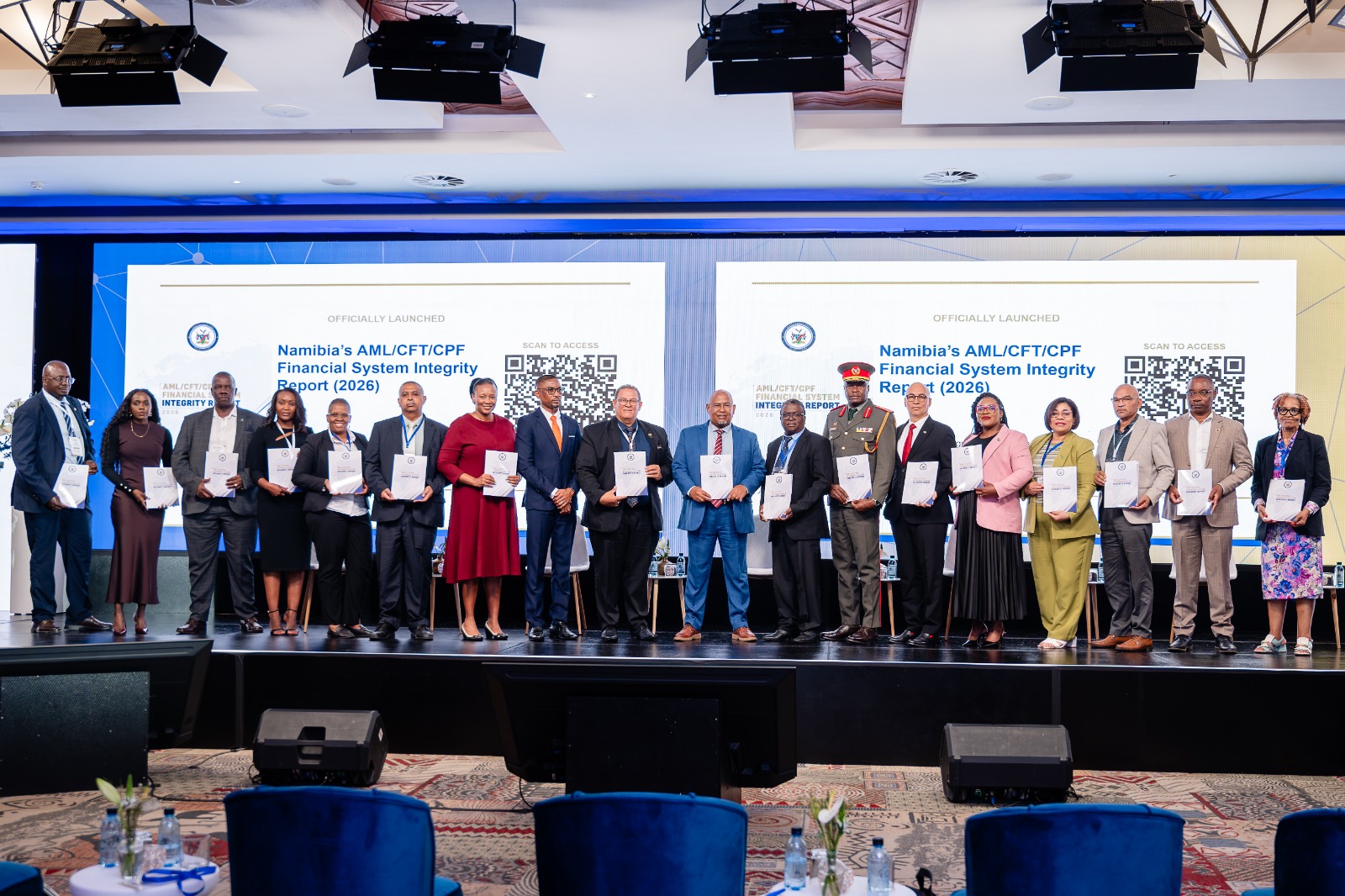
The conference also saw the launch of Namibia’s first AML/CFT/CPF Financial System Integrity Report, which assesses financial crime risks, progress in strengthening the national framework and areas requiring further action.

According to the FIC’s post-conference media information pack, corruption, fraud and cybercrime were identified as very high financial crime risks.

The report also highlights challenges involving beneficial ownership verification, digital fraud investigations, specialist skills and outdated technological systems.

Survey feedback from conference participants showed unanimous support among respondents for a structured public-private partnership to improve information-sharing.

The practical arrangements, implementation timeline and accountability measures for such a partnership remain important questions.

In closing, the finance ministry called for government to provide sound legislation, capable institutions, adequate resources, skilled personnel and clear priorities. International cooperation through regional and global bodies remains important as financial crime crosses national borders.

journalist2@businesspulse360.com

Read this story on the site ›

Analysis

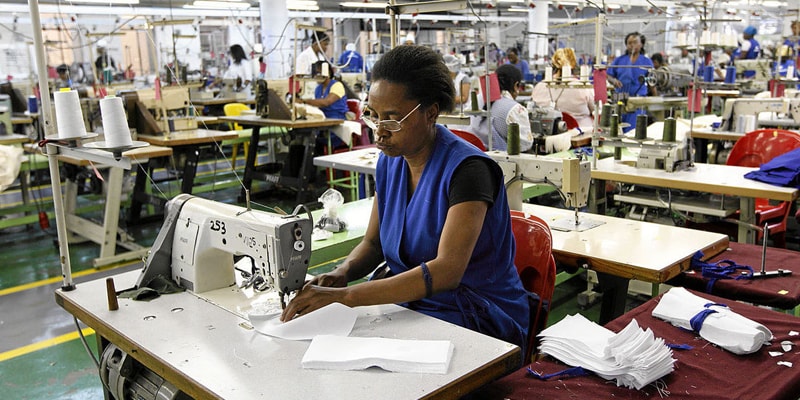
Manufacturing Employment Falls by 4.5% in 2026

Manufacturing employment falls by 4.5% year-on-year in the second quarter of 2026. Contributed

Employment in the country`s manufacturing sector fell by 4.5% in the second quarter of 2026 compared with the same quarter in 2025, while the sector’s nominal wage bill declined by 7.4% over the same period, according to the Bank of Namibia’s (BON) September 2026 Quarterly Bulletin.

The report said the decline in manufacturing employment was mainly recorded in the non-metallic minerals, basic metals and textiles subsectors.

According to BON, manufacturing employment also fell by 7.0% compared with the first quarter of 2026.

The bulletin further reported that average wages in the manufacturing sector fell by 3.0% year-on-year during the second quarter.

The report linked the weakness in non-metallic minerals to reduced activity in diamond processing. It also noted that the decline in basic metals reflected the closure of a base-metal smelting plant during the period under review.

However, the figures showed an increase in manufacturing wages compared with the first quarter of 2026. According to the bulletin, the sector’s wage bill rose by 5.8%, while average wages increased by 13.8% quarter-on-quarter.

The Bank stated that its employment and wage figures are based on regular surveys of a sample of major companies in the manufacturing, wholesale and retail trade sectors, although the surveys do not cover the entire Namibian labour market.

journalist@businesspulse360.com

Read this story on the site ›

Business Pulse 360° Economy 360° Page 5 of 6

Page 6

Global Business

African and international developments relevant to Namibia.

Minerals

SADC Urges Local Countries to Move Beyond Raw Mineral Exportation

Southern African countries must overcome infrastructure, financing and skills shortages to turn their mineral wealth into industrial growth, sustainable jobs and greater economic value, the Southern African Development Community (SADC

Southern African countries must overcome infrastructure, financing and skills shortages to turn their mineral wealth into industrial growth, sustainable jobs and greater economic value, the Southern African Development Community (SADC) has said.

Speaking at the SADC Business Council webinar on critical minerals on Tuesday, SADC Executive Secretary, Elias Magosi called for the region to move beyond extracting and exporting raw minerals towards processing, refining and manufacturing more products locally.

The message is significant for a region rich in natural resources but seeking to strengthen its participation in the industries that use them.

According to Magosi, mining contributes more than 10% of SADC’s regional gross domestic product (GDP), 25% of its total exports and approximately 20% of government revenues.

The region also holds significant global reserves of minerals including cobalt, diamonds, manganese, vanadium and platinum-group metals.

These figures underline the importance of mining to regional economies. However, Magosi argued that the real opportunity lies in connecting mineral extraction to other productive industries.

“The central challenge before us is clear: we must move beyond extraction and strengthen linkages between mining, manufacturing, infrastructure development, services, innovation and technology, and accelerated skills development,” he said.

For SADC countries, this means ensuring that minerals do more than generate income when they are exported. Processing and manufacturing can create additional business activity, employment and demand for local suppliers, while allowing more economic value to remain within the region.

However, achieving this requires more than having mineral deposits. Magosi identified unreliable energy supplies, inefficient transport systems, limited access to finance, technology gaps and insufficient targeted skills development as obstacles holding back mineral beneficiation and industrial growth.

These challenges matter because processing minerals and manufacturing products require dependable electricity, suitable infrastructure, investment capital and workers with the necessary technical expertise.

Without these foundations, countries may struggle to establish competitive industries even when mineral resources are readily available.

Magosi stressed that the challenges cannot be resolved through individual national efforts alone.

“Reliable energy supply, efficient transport systems, access to finance, technology transfer and advancements, targeted skills development and regulatory harmonization continue to constrain beneficiation and industrial development,” he stressed.

Magosi further called for stronger cooperation between governments, businesses, development finance institutions and regional partners to address these constraints.

The private sector also has a central role to play. Magosi encouraged businesses to invest in mineral processing, refining, battery-related value chains, recycling and mineral-based manufacturing rather than concentrating only on raw material exports.

For Namibia and other mineral-producing countries, this approach could create opportunities for manufacturers, transport operators, engineering firms and other businesses that support the mining industry.

SADC has already profiled regional mineral value chains and identified 20 potential investment projects involving energy storage, copper and mining-input value chains, according to the address. These are potential projects, not confirmed investments.

Read this story on the site ›

Business Pulse 360° Global Business Page 6 of 6

Download this edition as a PDF Every page, laid out to print.