Agriculture and Taxation
Emerging Farmers Call for Review of Agricultural Tax Provisions
Farmers have raised concerns about whether existing tax provisions adequately account for the costs of developing agricultural operations, alongside challenges with tax compliance and delayed refunds.
Emerging farmers have called for a review of agricultural tax provisions, arguing that the costs of developing farming operations have increased while existing tax rules do not adequately reflect the financial pressures faced by farmers who are still building their businesses.
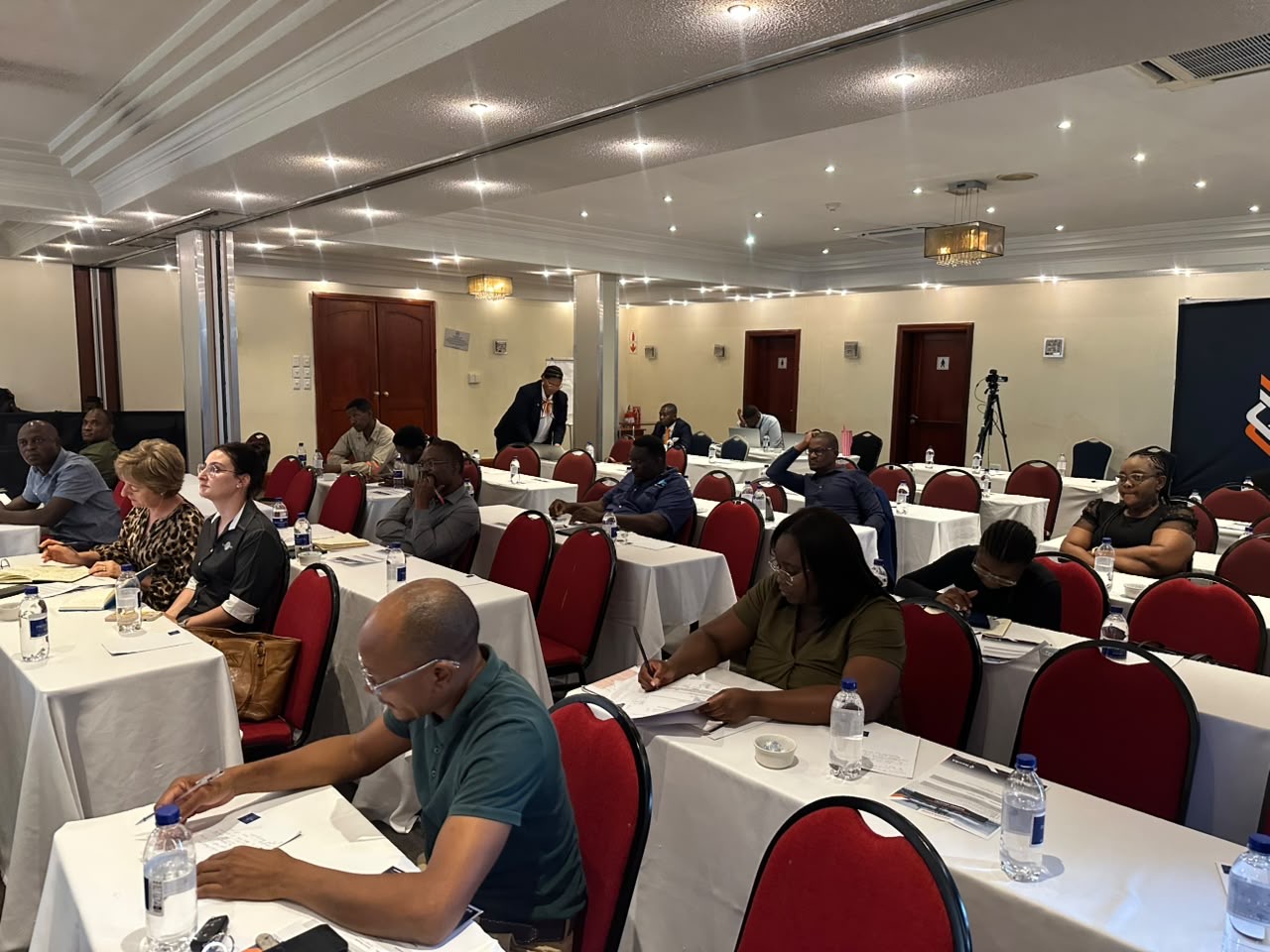
The concerns were raised during a Namibia Revenue Agency (NamRA) stakeholder engagement in Windhoek on Thursday, where farmers questioned the treatment of capital development expenditure, delays in tax refunds and difficulties resolving discrepancies in their tax accounts.
Emerging farmer, Romanus Kavindame, who farms sheep, goats and cattle, called for a review of agricultural tax policy, arguing that the cost of developing farm infrastructure places emerging farmers under financial pressure for years before their businesses become profitable.
“The law is actually anti-emerging farmers. It is not helping me at all. It is making life very difficult for me,” Kavindame said.
He argued that the financial demands facing emerging farmers extend beyond tax payments to the initial investment required to establish their operations.
Kavindame questioned the adequacy of a N$50,000 capital development amount discussed during the engagement, arguing that it does not reflect the current cost of developing farm infrastructure.
The N$50,000 in question falls under Namibia’s current Income Tax Act 24 of 1981, paragraph 10(8) of Schedule 1. This Act provides that a farmer may claim a cumulative tax deduction of up to N$50,000 in respect of the construction or acquisition of buildings or structures used for the domestic accommodation of each qualifying farm employee.
For example, where a farmer incurs N$100,000 in constructing accommodation for a qualifying employee, the maximum allowable deduction under this provision is N$50,000, subject to the applicable legislative requirements.
Kavindame said emerging farmers must meet these costs while their operations are still developing, potentially waiting five to 10 years to recover their investments and become profitable.
The farmer further contrasted the position of emerging farmers, who must invest in new infrastructure, with that of established farmers who may have inherited facilities built decades ago.
“For me, it is still the same like apartheid or colonialism,” he said, expressing his personal view of the challenges he believes emerging farmers face under the current framework.
Kavindame also highlighted the commercial pressures facing smaller livestock producers, explaining that financial constraints can limit their ability to wait for better market prices when selling their animals.
He said emerging farmers may receive offers of between N$700 and N$900 for goats, leaving them with difficult decisions when they need money to sustain their operations.
Moreover, he confirmed that he had paid N$8,000 in tax for the year but maintained that agricultural tax provisions should better reflect the costs and financial realities of establishing a viable farming business.
During the engagement, NamRA’s Manager of Audit and Compliance, Vivian de Koe explained how farming income and capital development expenditure are treated under the tax framework, saying that farming income falls under Schedule 15, while income from a farm shop or another business must be declared under Schedule 14.
“If you mix the retail, the shop business with the farming business, then it will give you a skewed picture at the end. That’s why these schedules are there,” de Koe explained.
He also addressed the treatment of capital development expenditure, explaining that qualifying costs may be claimed subject to restrictions that prevent them from creating or increasing a tax loss.
“You can claim that, but that expenses cannot create a loss or increase the loss,” he said.
De Koe explained that qualifying capital development expenditure that cannot be claimed in the current tax year may be carried forward until the farmer generates sufficient profit against which it can be deducted.
“But what we see from the farmers, we put it all to total expenditure, repairs and maintenance. It’s not a repair if you put up a new kraal. That is a capital development expenditure,” he said.
NamRA’s Manager of Audits, Return Processing and Refund Verification, Richard Mbuende acknowledged that delayed tax refunds remain a challenge, particularly for farmers affected by Foot-and-Mouth Disease (FMD).
“It's a challenge for farmers. It's a serious challenge, and I know, and I hear, and I sympathize, especially with the farmers now in this time where we have the FMD,” Mbuende said.
Mbuende also explained that audit selection is system-driven rather than based on individual decisions by officials.
“The system is selecting our audits. We don't do it individually. We don't do it because we don't like you, or because we are just coming from the same village,” he said.
He added that taxpayers who disagree with audit findings have 90 days to lodge an objection through NamRA’s independent objections unit.
NamRA also confirmed that the tax amnesty registration deadline remains Saturday, 31 October 2026, with no extension planned.
Mbuende urged taxpayers with outstanding debt to register before the deadline, explaining that eligible taxpayers must pay the principal tax owed and submit all outstanding returns through e-filing to qualify for the possible waiver of penalties and interest.