Oil, Energy
Namibia`s External Deficit Reaches N$12.1bn as Oil Exploration Bills Rise
Oil and gas exploration is creating new economic activity, but the associated payments for services also contribute to the country’s external costs.
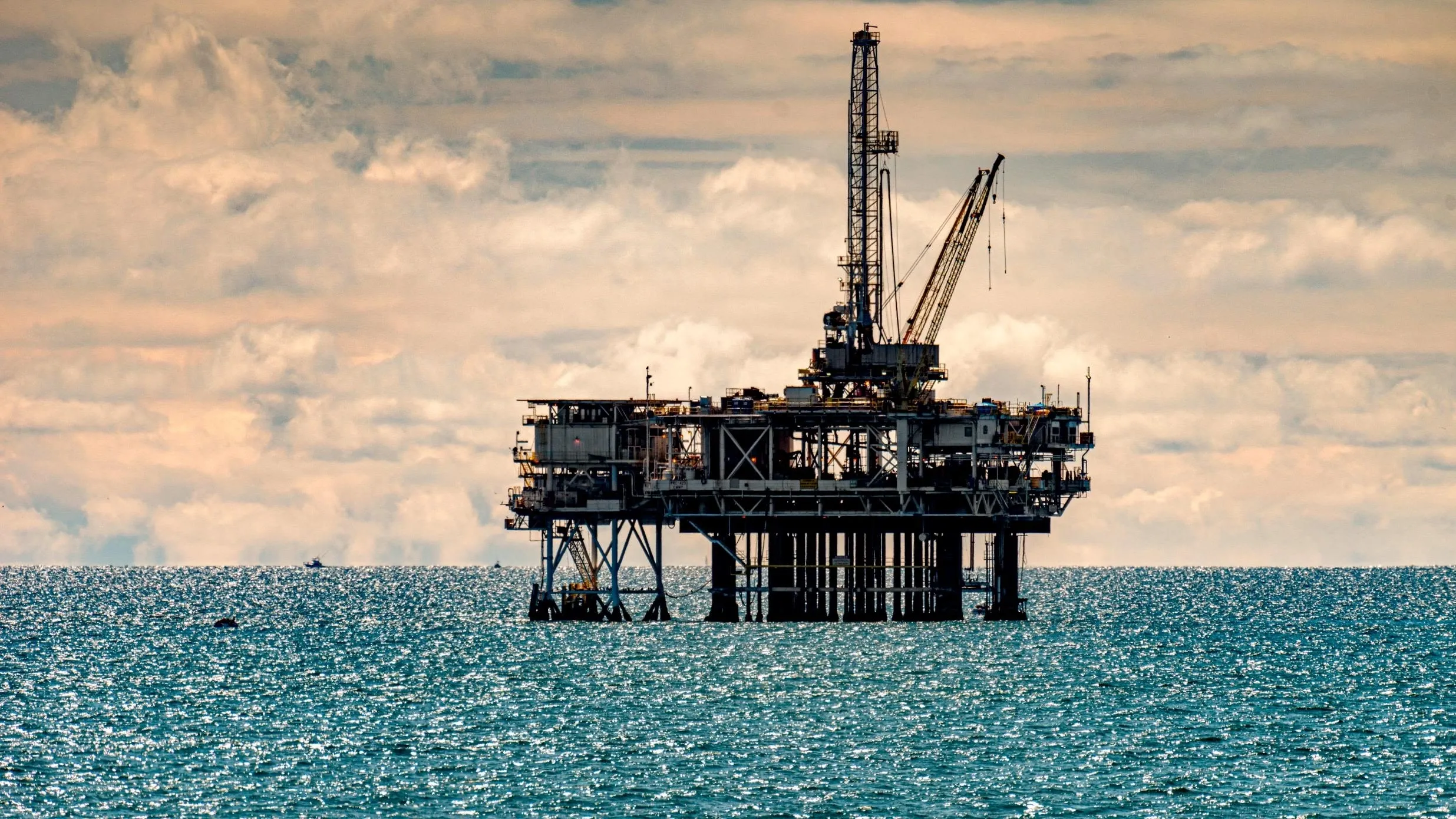
Namibia’s current account deficit widened to N$12.1 billion in the second quarter of 2026, with rising import costs and payments for oil and gas exploration adding pressure to the country’s external position.
This means that the country spends more money on imports than what it generates through the exports of goods and services.
According to the Bank of Namibia’s September 2026 Quarterly Bulletin, the deficit increased by N$6.8 billion compared to the second quarter of 2025 and by N$1.3 billion from the first quarter of 2026.
The Bank attributed the deterioration largely to a wider merchandise trade deficit and higher service payments associated with oil and gas exploration and appraisal.
The current account measures the money flowing into and out of a country through trade in goods and services, as well as certain income and transfer payments. A deficit means the country’s receipts from these transactions fall short of its payments.
According to BON, the deficit reached 17.1% of quarterly gross domestic product (GDP), up from 15.2% in the first quarter of 2026 and 8.1% in the corresponding quarter of 2025.
Despite the widening deficit, Namibia’s foreign reserves increased by 9% during the second quarter to N$56.4 billion at the end of June.
The Bank said the increase was mainly driven by Southern African Customs Union (SACU) revenue and other financial inflows.
Reserves were sufficient to cover 3.5 months of imports, rising to 3.9 months when oil and gas-related imports were excluded. By August 2026, reserves had increased further to N$58.5 billion.