CARBON MARKETS
Local Carbon Market Needs Clear Rules to Attract Investment

Namibia needs a clearer regulatory framework for its carbon market to unlock investment in carbon projects, while investors must account for environmental and social risks that could drive up costs and delay project implementation, according to Carbon Capital Pty Ltd.
Carbon Capital is a wholly Namibian-owned project development and capital-raising company focused on the country's emerging bio-economy sector.
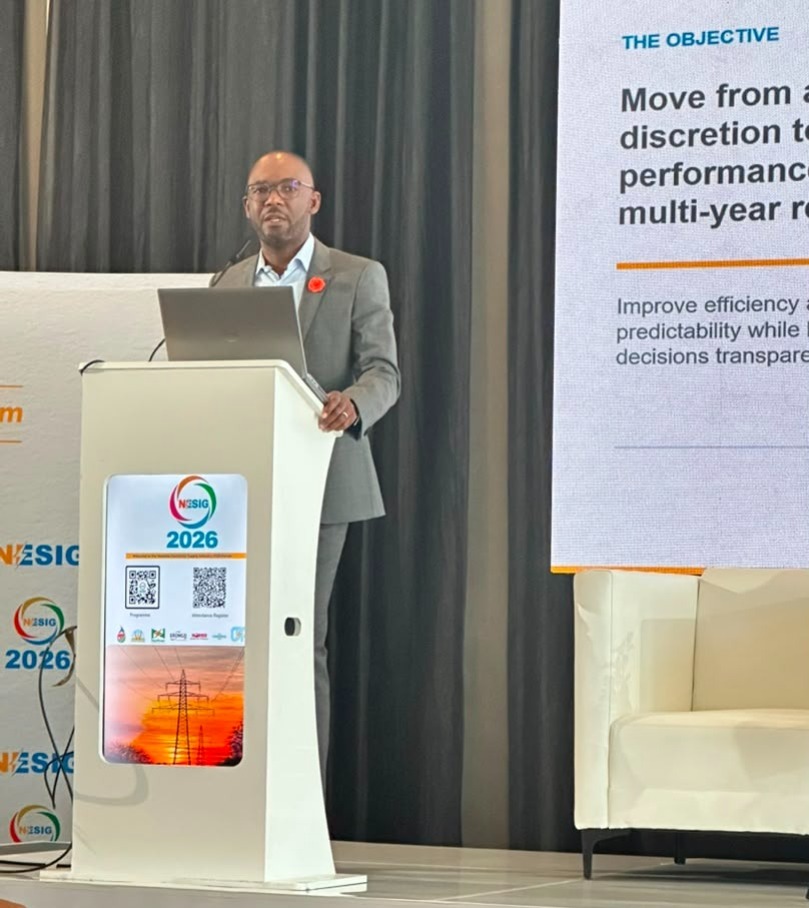
The company’s co-founder and managing director Colin Lindeque raised concerns about the country’s current carbon market framework at the Sustainable Finance Workshop on Monday, describing it as a “terrible document” that needs to better support project development.
Lindeque pointed to the wide price gap between different types of carbon credits, saying solar photovoltaic credits trade at US$0.50 per credit, compared with US$180 for credits sold by Carbon Capital.
“Solar PV credits at the moment are trading at half a US dollar per credit, whereas the credits that we sell are trading at 180 US dollars,” he said.
He attributed the difference in value to the environmental benefits projects can demonstrate, arguing that solar credits command lower prices because solar energy has become cheaper and would likely be developed regardless.
Lindeque’s call for a stronger framework comes as Namibia seeks to develop its bio-economy and attract financing for projects that generate environmental and economic benefits.
Meanwhile, Monasa Advisory & Associates` Mekondjo Erastus warned that investors who overlook environmental and social risks could face higher costs and weaker project returns.
Erastus identified water security as a major consideration for investment decisions in Namibia, where water availability can affect the viability of projects.
“Water security is a massive, massive one,” he said.
He added that managing environmental risks requires adequate financial planning, cautioning that “mitigation is not free”.
Erastus said water shortages, unreliable energy supplies and disputes with communities could increase project costs and delay implementation when they are not considered during the planning stages.