BILATERAL COOPERATION
Namibia, Angola Fast-Track Joint Infrastructure Projects, Calueque Pumps Set for December
The two countries expect permanent pump stations at Calueque to be commissioned in December 2026, alongside plans to advance joint energy, internet and border infrastructure projects.
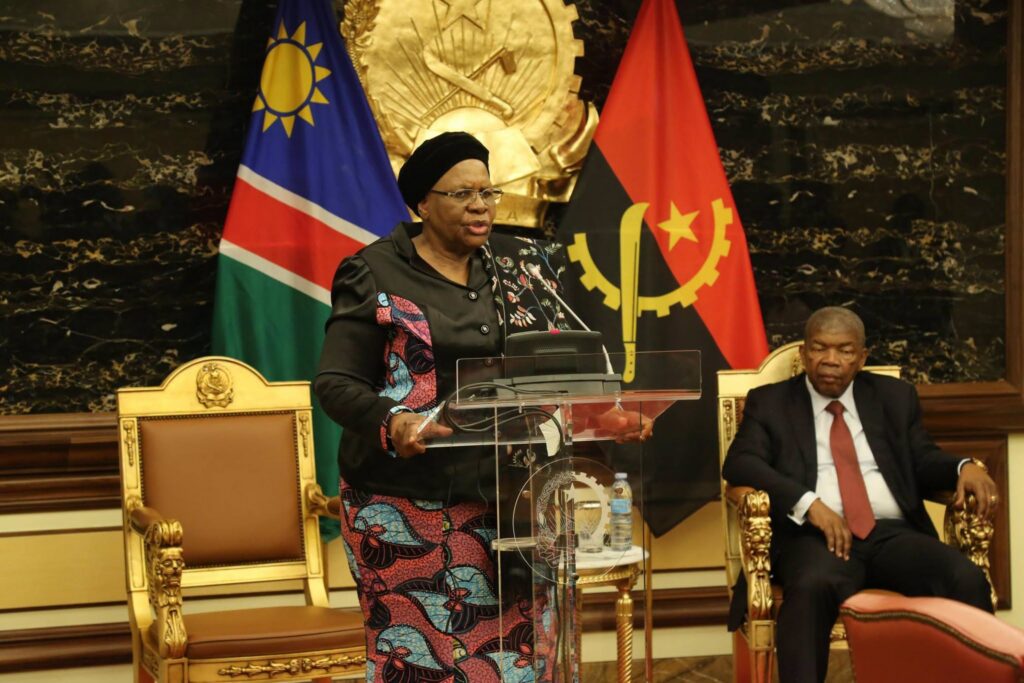
Namibia and Angola have committed to accelerating the implementation of joint infrastructure projects, with permanent pump stations at Calueque expected to be commissioned in December 2026 as the two countries seek to strengthen economic cooperation and regional connectivity.
The commitment followed the inaugural session of the Angola-Namibia Bi-National Commission (BNC), co-chaired by Namibian President Netumbo Nandi-Ndaitwah and Angolan President João Lourenço during the Namibian president’s state visit to Angola from 18 to 20 October 2026.
In a communiqué issued on Monday, the two leaders called for faster implementation of flagship projects expected to improve living conditions and strengthen economic ties between the neighbouring countries.
The Calueque pump stations are among the priority projects, forming part of efforts to address water shortages in northern Namibia. Improved water infrastructure could support households, agriculture and other economic activities that depend on reliable water supplies.
The two governments also identified the Baynes Hydropower Project and the Angola-Namibia Interconnector as key infrastructure initiatives requiring accelerated implementation.
The projects are expected to strengthen regional energy cooperation, with the proposed hydropower plant offering potential to expand electricity generation and the interconnector supporting electricity transmission between the two countries. Their eventual economic benefits will depend on implementation progress, financing and completion.
In addition to energy and water infrastructure, the governments plan to establish a one-stop border post at Oshikango-Santa Clara to facilitate cross-border movement and improve trade flows.
The proposed border facility could help streamline customs and border procedures, potentially reducing delays for traders, transport operators and other businesses moving goods between the two countries.
Cooperation in information and communications technology was also highlighted, with the leaders seeking to improve internet access as part of broader efforts to strengthen connectivity.
The infrastructure commitments form part of a wider push to deepen bilateral trade and economic cooperation. The two presidents described trade as “a vital tool to address the socio-economic challenges confronting the peoples of both countries”.
Their discussions also covered regional integration, climate change, peace and security, and reform of the United Nations Security Council to strengthen African representation.
The BNC was established to consolidate the two countries’ bilateral cooperation mechanisms under a single strategic platform. The second session is expected to take place in Namibia in 2028.
The latest commitments signal an effort by the two governments to translate their longstanding political relationship into practical cooperation in water security, energy, transport and digital connectivity, sectors that could support trade and economic development across the region.