Home Market & Sectors Tech & Innovation
Business
2025/2030 Education Strategy Targets Skills Gap to Drive Economic Growth
Namibia’s education strategy aims to address skills shortages and youth unemployment by aligning training with labour market needs and supporting entrepreneurship.
By Johanna N Festus
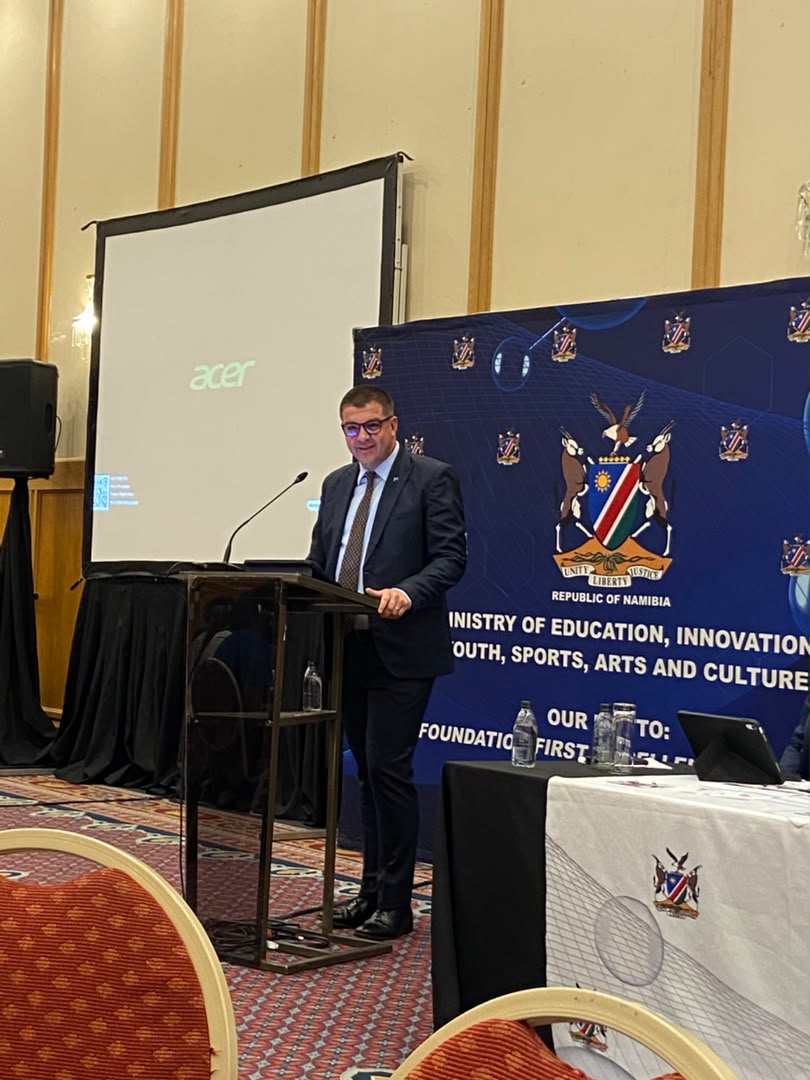
In a milestone move aligning human capital development with national economic growth, the Ministry of Education, Innovation, Youth, Sports, Arts and Culture (MEIYSAC) on Monday officially launched its inaugural joint Strategic Plan for 2025–2030 in Windhoek.
Deputy Minister, Dino Balloti presented the comprehensive five-year roadmap, which for the first time merges education, sports, arts, culture, and innovation under a unified framework.
''The ministry’s Strategic Plan for 2025–2030 identifies youth unemployment, skills shortages and infrastructure gaps as key challenges to be addressed through human capital development and improved service delivery'' he said.
The plan aligns with Namibia’s Vision 2030 and the Sixth National Development Plan, as well as continental frameworks such as the Continental Education Strategy for Africa (CESA), with the aim of supporting inclusive socio-economic development.
Balloti said the ministry’s framework is built around eight pillars and 13 strategic objectives. These include transforming at least four vocational training centres into technical and vocational education and training (TVET) colleges offering qualifications up to National Qualifications Framework (NQF) Level 6.
He added that Ihe plan also outlines measures to strengthen the national human resource development strategy, expand entrepreneurship grant funding for youth enterprises, decentralize sports and youth functions to regional councils, and improve information and communication technology connectivity in schools.''
These measures are intended to strengthen vocational and digital skills development, improve young people’s employment prospects and support productivity across Namibia’s economy.