Home Market & Sectors Agriculture & Oceans
AGRICULTURE
Bank Windhoek Warns of Economic Risks from FMD Outbreak
Foot-and-Mouth Disease in the //Kharas Region threatens livestock-related livelihoods and highlights the importance of protecting agricultural trade and businesses across Namibia’s value chain.
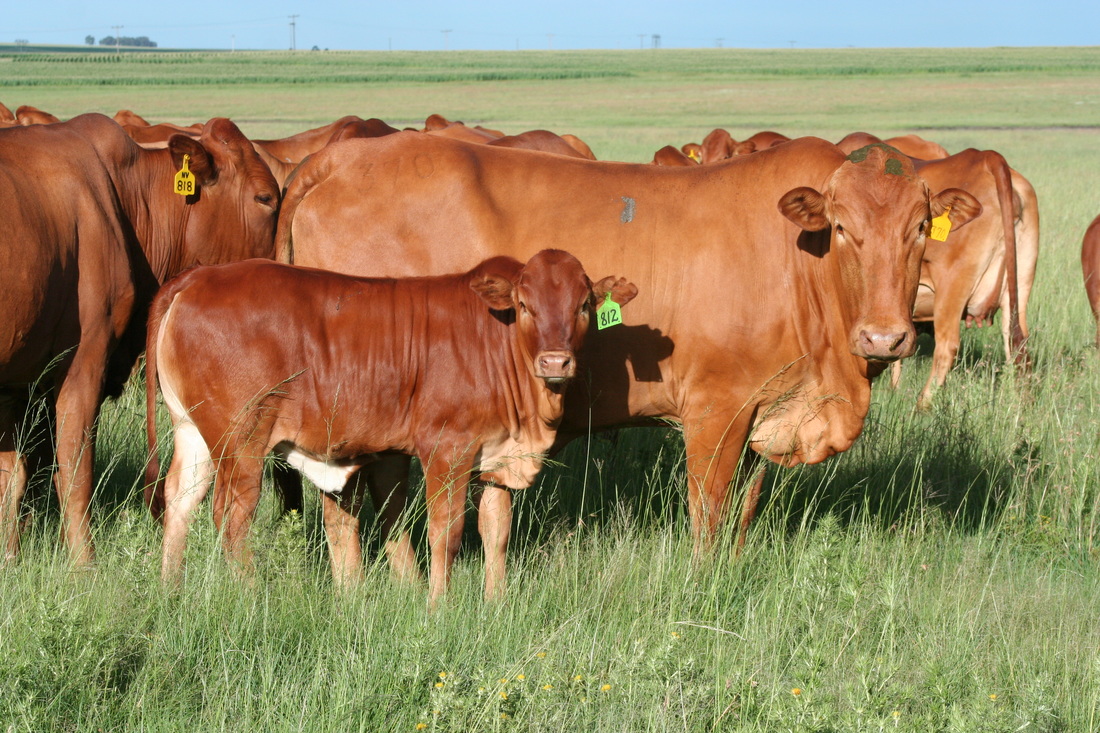
Bank Windhoek has highlighted the economic risks posed by Namibia’s Foot-and-Mouth Disease (FMD) outbreak in the //Kharas Region, warning that disruptions to livestock farming could threaten farmers’ incomes, agricultural trade and rural livelihoods.
This follows after the Ministry of Agriculture, Fisheries, Water and Land Form (MAWLR) last week reported that 131 animals had tested positive across 18 farms in the Karasburg State Veterinary District.
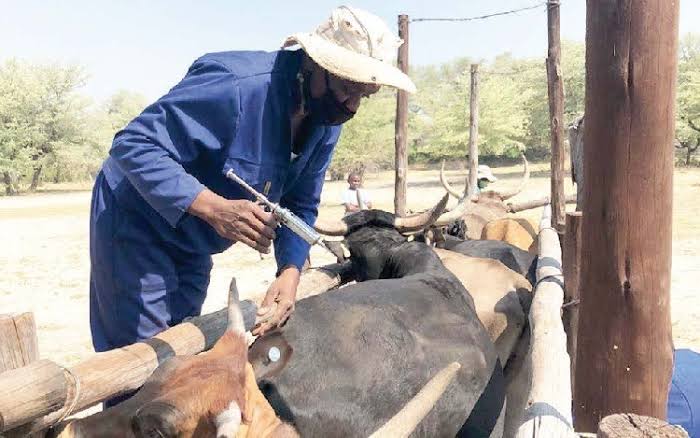
At the time of the report, the outbreak remained confined to the district, with surveillance, vaccination and livestock movement controls continuing to contain its spread.
FMD is a highly contagious viral disease affecting cloven-hoofed animals, including cattle, sheep, goats and pigs. Although it poses no public health risk, the disease can disrupt livestock production and trade, placing pressure on farmers and businesses that depend on the agricultural value chain.
The economic consequences can extend beyond farms to meat processors, transport operators, retailers and farmworkers, potentially affecting household incomes and economic activity in rural communities.
In a statement issued by the Bank on Monday, Executive Officer for Retail Banking Services, Leon Koch said agriculture plays a significant role in supporting Namibia’s economy and sustaining livelihoods.
“Agriculture sustains livelihoods, strengthens food security and contributes significantly to Namibia’s economy,” Koch said.
He said the outbreak requires informed, coordinated and practical action to protect livestock and the livelihoods that depend on the sector.
The bank has at the same time announced that its 2026 Agriculture Series will focus on the theme “Foot-and-Mouth Disease: Safeguarding Herds and Sustainable Livelihoods”, bringing together agricultural experts and stakeholders to discuss disease prevention, farm-level biosecurity, livestock movement compliance, surveillance and early reporting.
The initiative aims to help farmers and businesses better understand the risks associated with the disease, strengthen preparedness and adopt measures to protect livestock.
Koch said the bank’s support reflects its recognition of agriculture as a cornerstone of rural development and economic resilience.
Through the Agriculture Series, Bank Windhoek aims to facilitate discussions and partnerships among farmers, veterinary authorities, policymakers and industry representatives to promote practical responses to the outbreak and support the sustainability of Namibia’s livestock sector.