Home Market & Sectors Banking & Finance
PUBLIC FINANCE
Namibia’s Livestock Crisis Exposes Risks to Government Revenue
Foot-and-mouth disease restrictions and slowing mining output could put pressure on Namibia’s tax revenue, raising concerns about fiscal sustainability and the government’s capacity to fund public services and development.
By Johanna N Festus
Namibia’s foot-and-mouth disease (FMD) outbreak and slowing mining output could put additional pressure on government revenue, raising concerns about the country’s fiscal position as the Ministry of Finance reviews its budget.
Speaking to business pulse 360 economist Gabriel Nghinomenwa said disruptions in agriculture and risks to mining production could affect tax collections, highlighting the vulnerability of public finances to changes in key economic sectors.
“Revenue is directly linked to the performance of the economy,” Nghinomenwa said.
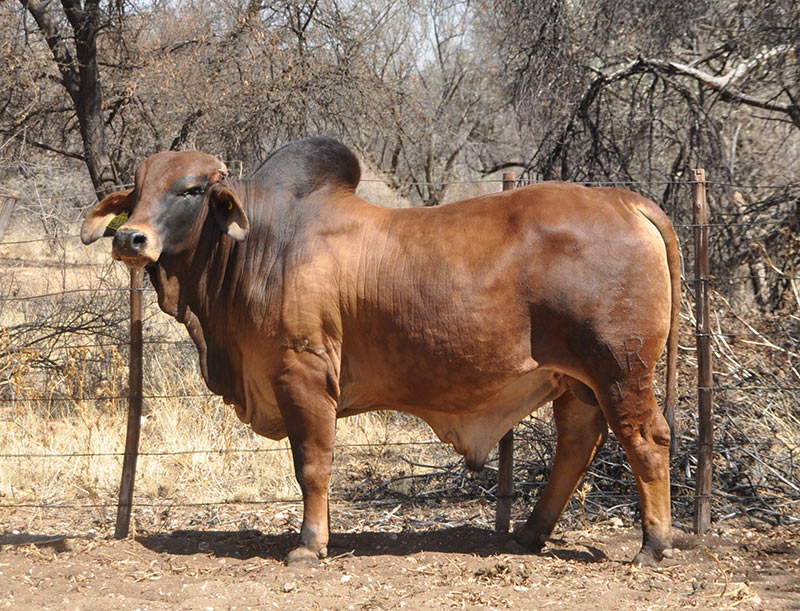
He warned that FMD restrictions could affect revenue across the livestock and beef value chains, including live-animal exports, local abattoirs, meat processing, animal feed and related businesses.
Nghinomenwa estimated that potential tax revenue losses linked to the livestock and beef sector could approach N$500 million. However, he acknowledged that the precise impact was difficult to establish because consolidated figures for income tax and value-added tax (VAT) generated by the sector were not available.
The potential losses extend beyond farmers and exporters. Lower activity could affect workers’ incomes, corporate tax payments and VAT receipts, while businesses supplying the sector could also experience reduced demand.
Mining presents another concern. Nghinomenwa said slowing output could weigh on tax contributions from the sector, despite improving prices for gold and uranium.
He pointed to gold’s contribution to government revenue and questioned whether rising uranium prices and production were translating into comparable tax benefits for the state.
The combined pressures could complicate revenue forecasting and leave the government with less fiscal room to fund infrastructure, public services and development programmes.
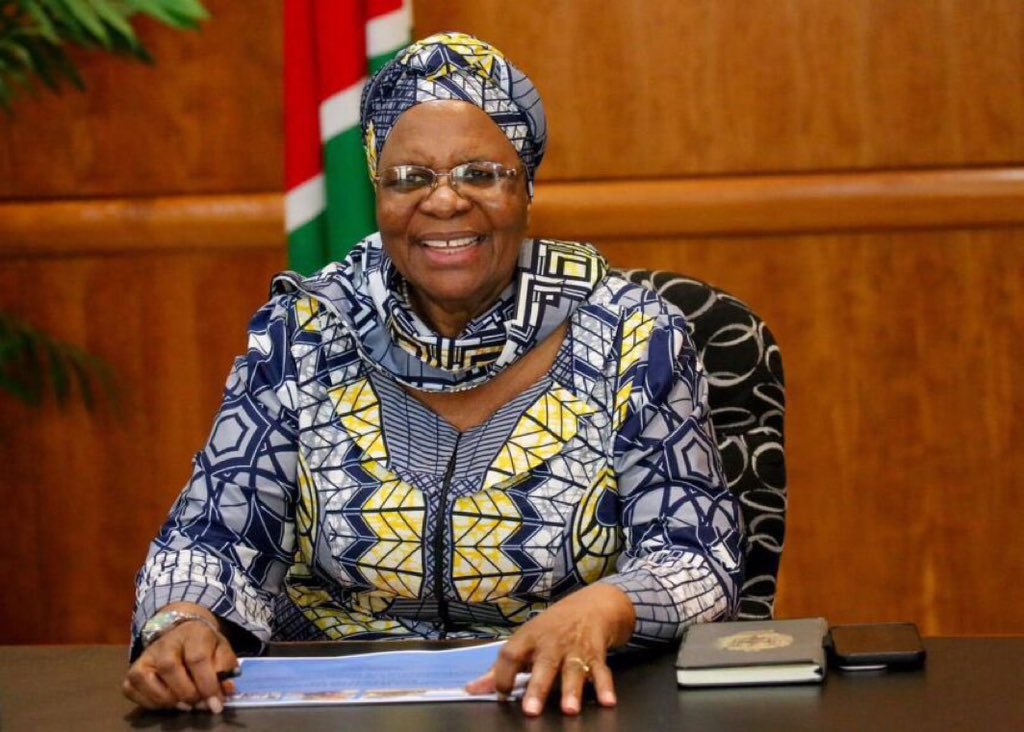
Namibia’s previous Mid-Year Budget Review, presented by Finance Minister Ericah B. Shafudah, reported revenue collection of N$36.6 billion by the end of September 2025, equivalent to 40% of the annual budget estimate. Public debt stood at N$176.3 billion, while interest payments totalled N$6.8 billion.
Those figures reflect the previous review, not the government’s current fiscal position.
The emerging risks underline the importance of realistic revenue projections and a broader, more resilient economic base. For Namibia, protecting productive activity in agriculture and mining is not only a matter of supporting businesses and jobs but also of safeguarding the public revenue needed to finance national development.