GREEN FINANCING
Namibia Secures US$56 Million From Green Climate Fund For Industrial Decarbonisation
The allocation will support four existing Namibian project developments under SDG Namibia One, with USD 15 million directed towards project preparation and USD 41 million towards construction equity.
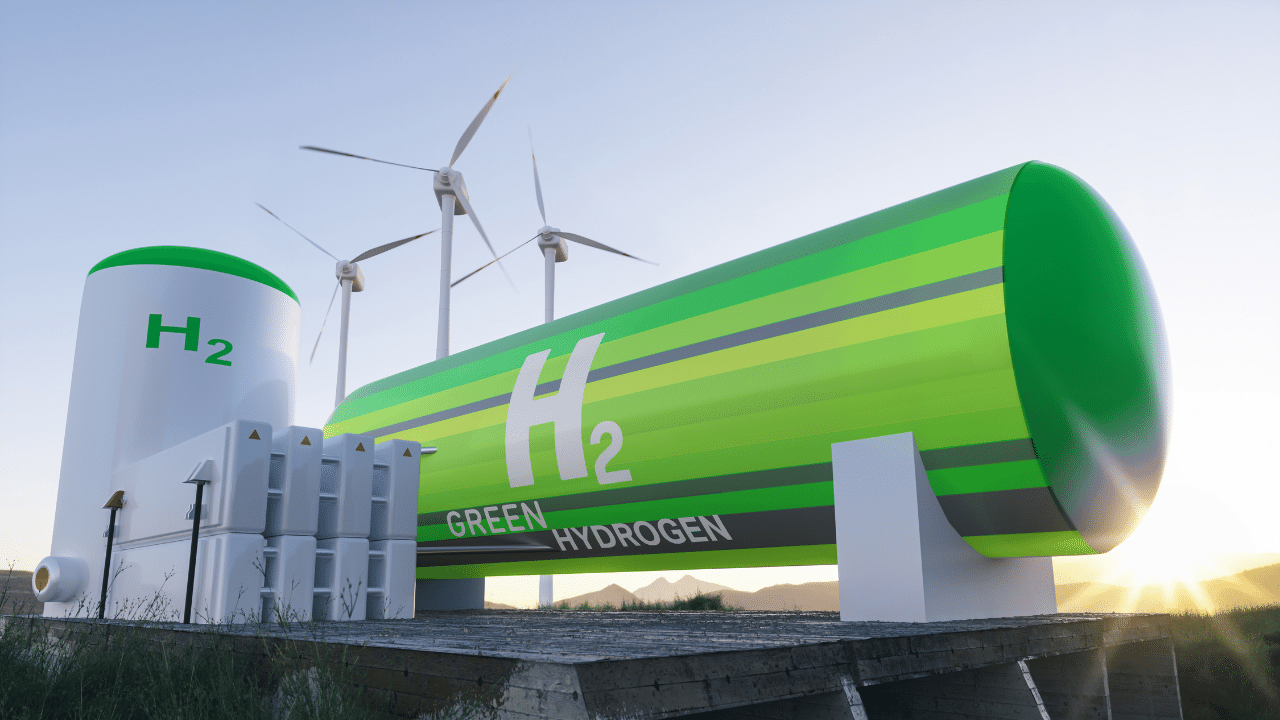
Namibia has been allocated US$56 million roughly N$935.4 million from a US$140 million climate financing facility approved by the Green Climate Fund (GCF) last week.
The funds are set to support the development and construction of green hydrogen infrastructure and other industrial decarbonisation projects in the country.
The funding forms part of the Southern African Industrial Decarbonisation Facility (SIDF), which covers Namibia and South Africa, with the Development Bank of Southern Africa (DBSA) serving as the GCF's accredited entity responsible for programme oversight, monitoring and reporting.
Of the total USD 140 million approved, USD 84 million has been allocated to South Africa's SA-H2 Fund, while Namibia's allocation will go to the SDG Namibia One Fund, managed by Namibia Energy Transition Fund Managers, a partnership between Climate Fund Managers, Invest International and the Environmental Investment Fund of Namibia, according to GCF.
The funds allocated to Namibia comprises approximately N$250 million (US$15 million) for the fund's development tranche, which supports early-stage project preparation, and about N$685 million for its construction equity tranche, which provides capital to take projects through construction.
The financing will support Climate Investor Three (CI3), a blended finance facility managed by Climate Fund Managers, which focuses on industrial decarbonisation, including green hydrogen production, green ammonia, green methanol and infrastructure supporting lower-carbon industrial activities.
Namibia's project pipeline already includes development funding agreements signed with the Hyphen green hydrogen project, HyIron's Oshivela green iron project, Zhero Molecules' Walvis Bay green ammonia project and the Dâures green fertiliser project.
Climate Fund's Managers Chief Executive Officer, Andrew Johnstone said decarbonising heavy industry was essential to achieving global climate goals while presenting significant investment opportunities.
“Yet the scale and complexity of these projects create financing challenges, particularly during development and construction. By helping to mitigate these risks, GCF's catalytic financing can attract institutional investment into commercially viable projects and support competitive, low-carbon industrial growth,” he said.
The financing combines concessional development-stage funding with catalytic first-loss construction equity to reduce investment risks and encourage institutional and private-sector investors to participate in projects that may otherwise struggle to secure funding.
Environmental Investment Fund of Namibia Chief Executive Officer, Benedict Libanda said Namibia had significant potential to develop green hydrogen and associated industries, but realising that potential required capital, specialist expertise and meaningful Namibian participation.
He said SDG Namibia One brought these elements together by combining international investment with local knowledge and an understanding of national priorities.
The facility is targeting a USD 1.2 billion investment programme across Namibia and South Africa, with plans to finance between 30 and 40 industrial decarbonisation projects.
According to the Green Climate Fund, the programme aims to install approximately 1.52 gigawatts of renewable energy capacity and avoid an estimated 24.2 million tonnes of emissions.