Home Market & Sectors Agriculture & Oceans
AGRICULTURE AND OCEANS
Oshikoto Targets Agricultural Growth to Cut Namibia’s Food Import Dependence
The region is seeking greater investment in water infrastructure, irrigation and agro-processing to increase food production, create jobs and reduce Namibia’s dependence on imports.
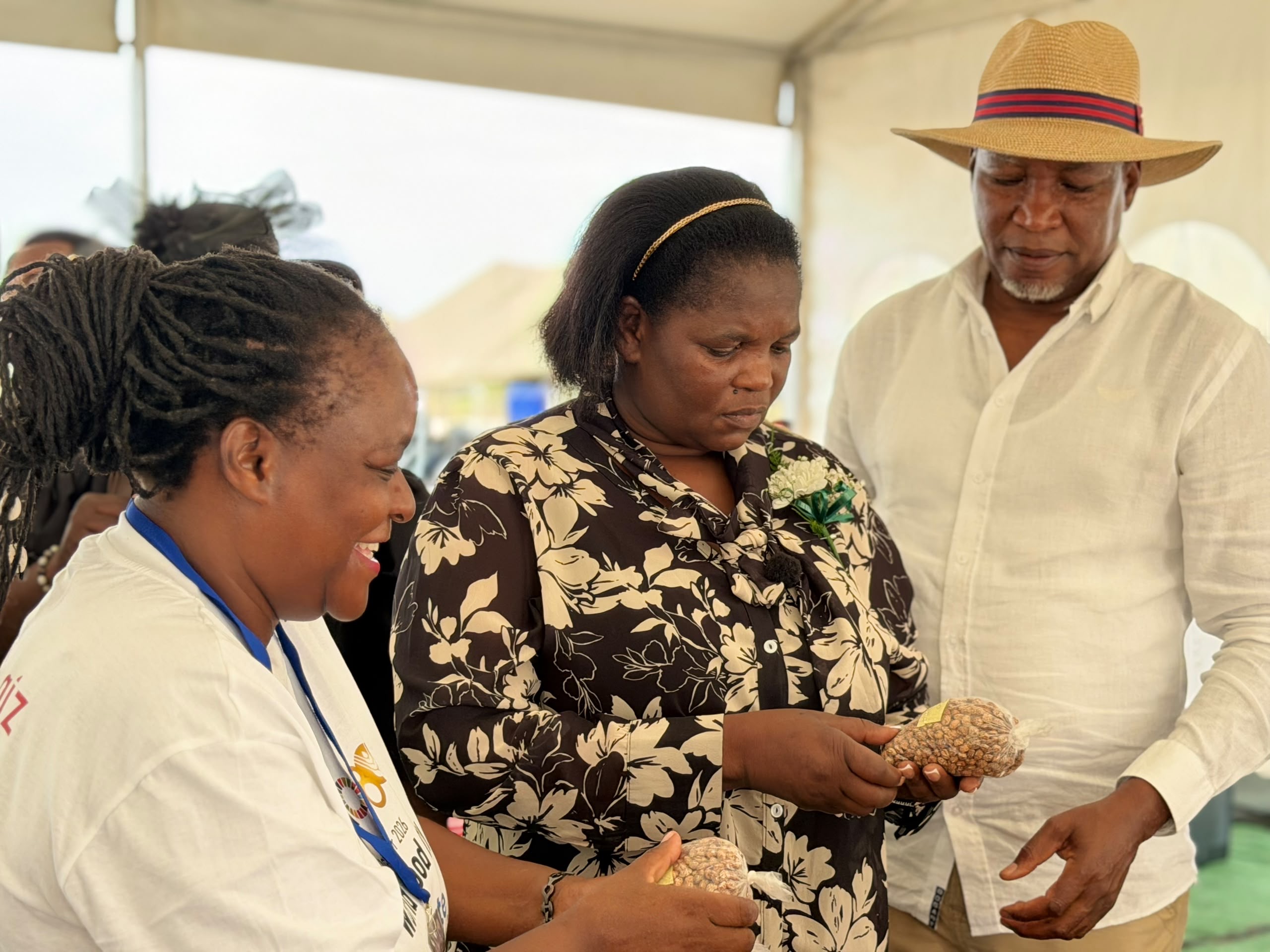
The Oshikoto Regional Governor, Sacky Kathindi is calling for increased investment in agriculture, water infrastructure and agro-processing in his region.
He said the region has the potential to become Namibia’s food basket and contribute more to the country’s domestic food supply.
Speaking during the 2026 World Food Day commemoration in Onyaanya on Friday, Kathindi identified crop production, livestock farming, horticulture and agro-processing as areas where the region could expand its productive capacity.
“As a region, we have the potential to become Namibia’s food basket,” Kathindi said.
He said investment in water infrastructure, irrigation, agricultural technology, access to finance and reliable markets would be necessary to unlock this potential.
Kathindi also called for a shift from subsistence-oriented farming towards greater commercialisation, while ensuring that small-scale farmers were not excluded from the process.
“Oshikoto must aspire to produce more, process more and supply more of what our country consumes,” he said.
He added that strengthening local production could help reduce reliance on imports, retain wealth within communities and create employment opportunities.
Deputy Minister of Agriculture, Fisheries, Water and Land Reform, Ruthy Masake said the government was implementing programmes aimed at improving agricultural productivity and stimulating investment across the value chain.
These include the Green Scheme Programme, Value Chain Development Schemes and the Dry-land Crop Production Programme, which are intended to create employment, increase household incomes and reduce poverty, particularly in rural communities.
Masake also highlighted water infrastructure interventions in Oshikoto, saying that during the 2025/2026 financial year, 12 boreholes were drilled, six boreholes were installed and one short pipeline was constructed.
The interventions are intended to improve water availability and reduce the distances communities travel to access water.
Meanwhile, Food and Agriculture Organization of the United Nations Assistant Representative, Ferdinard Mwapopi said innovation could help strengthen local food production, improve farmers’ incomes and create opportunities for young people.
“With the right knowledge, skills, resources and access to markets, they can improve production, increase their incomes and contribute to national food security,” Mwapopi said.
He said innovation should also focus on improving water efficiency, reducing food losses, adding value to locally produced goods and helping farmers access markets.
The commemoration was held under the theme “Innovate Today, Nourish Tomorrow”.