TRADE & INVESTMENT | CHINA–NAMIBIA RELATIONS
Namibia Must Build Export Capacity To Benefit From China Zero-Tariff Deal, Says Kasuto
EAN chairman Jason Kasuto warns that Namibia must strengthen local production, processing and export capacity to turn China's zero-tariff arrangement into tangible economic gains, as bilateral trade reaches N$40.64 billion in 2025.
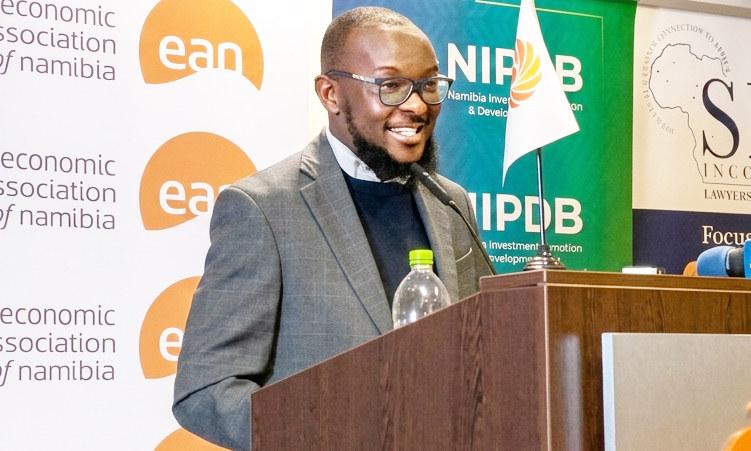
Economic Association of Namibia (EAN) chairman ,Jason Kasuto is calling on Namibia to strengthen local production, processing and export capacity in order to benefit from China's zero-tariff arrangement.
Kasuto further warns that improved market access alone will not translate into stronger trade.
Speaking at the China-Africa Cooperation Symposium in Windhoek on Tuesday, Kasuto said Namibia lacks a sufficiently deep base of enterprises with the production scale, certification, working capital and logistics needed to supply the Chinese market consistently and at competitive prices.
“A tariff that is set to zero is real, as we can see, and thankfully so, an invitation, and obviously the invitation is only as valuable as the guest's ability to accept it,” he remarked.
His remarks come as Namibia's trade with China reached N$40.64 billion in 2025, with exports increasing faster than imports, according to figures in a Namibia Trade Forum (NTF) factsheet.
The figures show that Namibia's exports to China rose by 19.1% to N$22.72 billion, while imports increased by 0.8% to N$17.92 billion. Total bilateral trade grew by 10.3% from 2024, leaving Namibia with an estimated trade surplus of N$4.80 billion.
China accounts for 18.1% of Namibia's exports and 11.9% of its imports, underlining the importance of the relationship to the country's trade performance, according to the report.
However, Kasuto argues that the opportunity presented by the zero-tariff arrangement depends on Namibia's ability to turn market access into productive economic activity rather than treating the agreement as a diplomatic milestone.
“If we treat these instruments as diplomatic milestones to be welcomed and then filed somewhere, the trade figures will barely move,” he says.
He identified local processing, skills development, measurable local-content requirements and shared ownership as four areas that need to shape Namibia's economic engagement with China, particularly in the mining sector.
Chinese investment and demand already play a role in Namibia's uranium, gold and copper industries, making the terms of that relationship important to how much economic value the country retains from its mineral resources.
Kasuto further said Namibia should negotiate for more than royalties and taxes, arguing that investment should also bring processing facilities, technical expertise, skills transfer and opportunities for Namibian capital to participate in ownership.
He called for greater value addition on Namibian soil, with processing extending beyond the extraction of raw ore, while skills gained through investment should benefit workers and industries beyond individual mining operations.
The Chairman also stresses the importance of establishing clear rules governing mineral and petroleum resources before negotiations and investment deals are concluded.
The NTF has identified mineral beneficiation, agriculture and agro-processing, and fisheries and seafood as potential areas for expanding exports to China.
However, businesses must be able to meet the applicable market-access requirements and rules of origin to benefit from the arrangement, he said.
The early harvest arrangement, was established early May 2026, under the China-Africa Development Partnership framework, is intended to deliver early trade benefits while broader negotiations continue.
Kasuto says the focus should now be on identifying practical, time-bound and implementable measures that Namibia and its regional partners can pursue over the coming year.
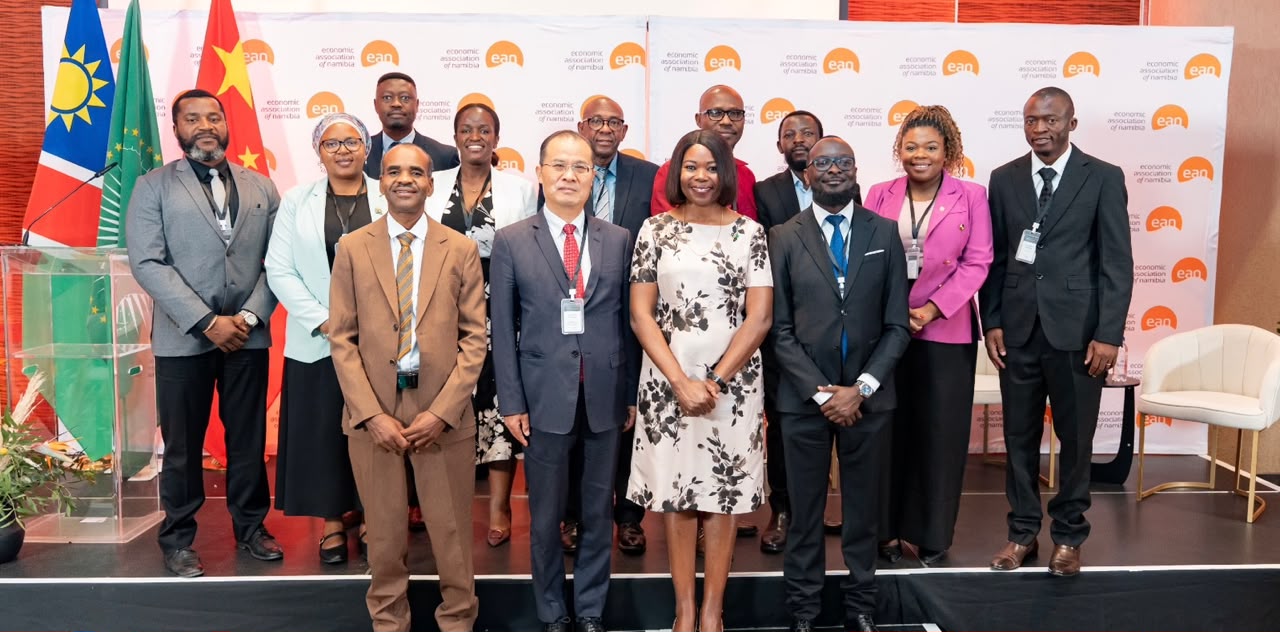
The gathering is underway in Windhoek under the theme “China-Africa Partnership at 70: Deepening Collaboration and Exchanges,” bringing together public- and private-sector stakeholders to explore opportunities for trade, investment and economic cooperation between China, Namibia and the wider Southern African Development Community (SADC) region.