CHINA–NAMIBIA RELATIONS
Namibia Targets Export Growth And Local Processing Through China Zero-Tariff Deal
Namibia is looking to turn China's zero-tariff access into export growth, Chinese investment and local processing, with officials stressing that businesses must overcome market-entry barriers to secure lasting economic benefits.
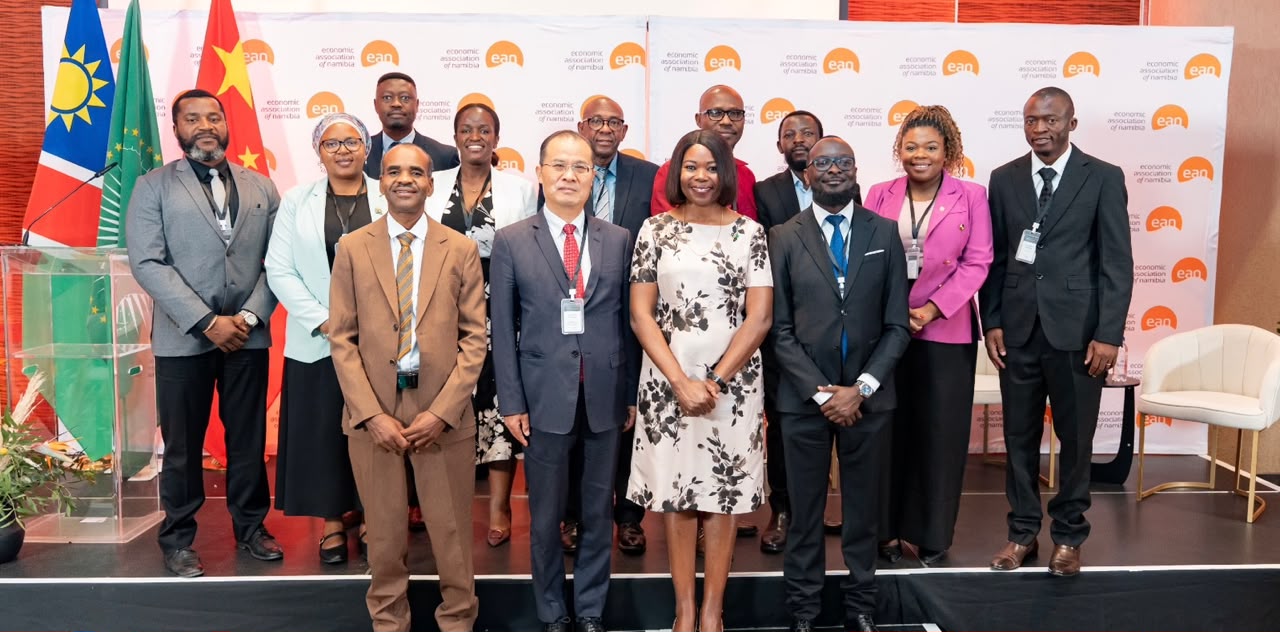
Namibia is seeking to use China's zero-tariff arrangement to expand exports, attract investment and develop local processing industries, with government officials highlighting the need to turn improved market access into jobs and productive capacity.
Speaking at the China-Africa Cooperation Symposium in Windhoek on Tuesday, Namibia Investment Promotion and Development Board (NIPDB) Chief Executive Officer, Julia Muetudhana, said the arrangement creates opportunities to diversify exports and attract investment, but businesses must be prepared to meet the requirements of the Chinese market.
China’s zero-tariff arrangement is a trade policy under which China allows eligible goods imported from African countries to enter the Chinese market without paying import tariffs. The aim is to make African products more competitive in China, encourage exports and strengthen trade between China and Africa.
As of 1 May 2026, China extended zero-tariff treatment to all 53 African countries with which it maintains diplomatic relations, including Namibia.
Delivering the keynote remarks on behalf of the Minister of International Relations and Trade, Selma Ashipala-Musavyi, Muetudhana stressed that the partnership should deliver practical economic benefits for Namibia.
“We welcome a complementary partnership where development is defined by job creation and productive capacity,” she said, pointing to China's industrial and technological expertise as an opportunity for Namibia to strengthen its own productive industries.
The zero-tariff initiative, which took effect on 1 May 2026 and runs until 30 April 2028, provides eligible Namibian products with tariff-free access to the Chinese market.
However, Muetudhana cautioned that removing tariffs would not automatically guarantee export growth.
“However, tariff-free access must be matched by overcoming non-tariff barriers,” she said, highlighting requirements relating to rules of origin, product quality, packaging and sanitary standards, adding that exporters must also maintain consistent supplies and meet delivery deadlines.
Muetudhana pointed to the July 2026 phytosanitary protocol for exporting Namibian table grapes to China as an example of diplomatic engagement creating opportunities for local producers.
“The July 2026 Phytosanitary Protocol for Exporting Namibian Table Grapes to China illustrates how diplomatic commitments convert into market opportunities,” she said.
She urged Namibia to build on that progress by enabling more local producers to reach the Chinese market, and expanding access beyond fresh produce to processed food, meat and fisheries products could allow businesses to move further along the value chain, create local processing opportunities and retain more value within the economy.
“We must extend this success to processed food, meat, fisheries, to benefit value chains across our economy,” Muetudhana said.
Beyond agriculture, she said improved market access could strengthen the case for establishing manufacturing and processing facilities in Namibia, allowing the country to retain more economic value from its natural resources.
“We welcome joint ventures in manufacturing, agro-processing, green energy, and mineral manufacturing that build local capacity and transfer of skills,” she said.
She further emphasised the importance of developing domestic processing and technical capabilities in the mineral and energy sectors, including uranium, lithium and rare earth elements, to convert resource wealth into sustainable industrial activity.
The government also sees cooperation between public institutions and private businesses as essential to helping exporters take advantage of the arrangement.
Muetudhana said businesses would need practical support to meet market requirements and establish reliable routes to Chinese buyers.
“Government entities and the private sector must collaborate to support exporters with standards, compliance, documentation, logistics, and buyer linkages,” she said.
The initiative aligns with Namibia's Sixth National Development Plan (NDP6), which prioritises industrialisation, local value addition and job creation.
Moreover, Muetudhana also highlighted the importance of regional integration through the Southern African Development Community (SADC) and the African Continental Free Trade Area (AfCFTA), with the Port of Walvis Bay and transport corridors serving as potential gateways for regional trade.
Meanwhile, Chinese Ambassador to Namibia, Zhao Weiping said the zero-tariff policy was intended not only to expand African exports to China but also to encourage Chinese companies to invest across the continent.
“As we have seen, this policy in the near term will certainly help expand Africa's export to China. It's even more meaningful in the medium and long term, since more Chinese companies will be encouraged by this policy to invest and operate in Africa,” Zhao said.
He noted that China had remained Africa's largest trading partner for 17 consecutive years, arguing that the economic relationship should be assessed not only through existing trade figures but also through the potential for future cooperation.
Zhao explained that China had introduced supporting measures alongside the tariff policy, including streamlined customs clearance procedures and eased quarantine requirements, to help address barriers that can prevent African products from entering its market.
However, he stressed that the initiative forms part of a broader effort to establish a lasting framework for China-Africa economic cooperation through the China-Africa Economic Partnership Agreement for Shared Development (CADEPA).
The proposed agreement covers trade facilitation, inclusive growth, supply-chain resilience and the modernisation of sectors for development.
Zhao said more than 40 African countries had signed framework agreements to establish the basis for negotiations on the broader agreement.
He also linked the initiative to the strengthening of bilateral relations following President Netumbo Nandi-Ndaitwah's state visit to China in July 2026, during which the two countries agreed to elevate relations to a China-Namibia community with a shared future for the new era.
“I hope and believe that our two sides will work closely together to ensure that the China-Namibia economic cooperation will fully benefit from China's zero-tariff policy and the signing of the CADEPA,” Zhao said.
The opportunity lies in translating these commitments into increased exports and investment that support domestic production, while tariff-free access could make Namibian products more competitive in China, sustained benefits will depend on businesses meeting export standards, supplying the market consistently and using investment partnerships to expand local production and processing, he said.
The symposium is being held under the theme “China-Africa Partnership at 70: Deepening Collaboration and Exchanges,” bringing together public- and private-sector stakeholders to discuss trade, investment and economic cooperation between China and Namibia.