Home Market & Sectors Agriculture & Oceans
WATER SECURITY
Namibian N$13 Million Water Project Targets 386 Million Litres by 2030
Namibia Breweries Limited, WWF Namibia and Global Water Challenge are investing in water security measures aimed at strengthening the resilience of businesses, agriculture and communities in the Swakop River Basin.
Namibia Breweries Limited (NBL), World Wildlife Fund Namibia (WWF) and Global Water Challenge (GWC) have committed approximately N$13 million to a five-year project targeting 386 million litres in annual water benefits by 2030.
The comes as pressure on Namibia's water resources is at a pint where it threatens the sustainability of economic activity, driven by very little to no rainfall for longer periods of time annually.
The NBL Water Balancing Project which was launched in Windhoek on Wednesday will run from 2026 to 2030 and focus on improving water security in the Swakop River Basin through groundwater recharge, ecosystem restoration and stronger water management, according to a joint press release issued by the three organisations.
The targeted annual water benefit is equivalent to more than 150 Olympic-sized swimming pools. The project also aims to restore or improve the management of 153 hectares of land.
Water security has economic implications for businesses, agriculture and communities that depend on reliable supplies to sustain production, livelihoods and daily operations. Recurring droughts, rising demand and climate change are placing increasing pressure on Namibia's limited water resources.
Speaking at the launch, NBL Managing Directo,r Waldemar von Lieres said the investment extends the company's water conservation efforts beyond its own operations to support the wider basin.
“Our N$13 million commitment over five years to the Water Balancing Project extends that investment into the shared basin on which we all depend,” von Lieres said.
According to the company, NBL invested more than N$35 million in reducing its water footprint since 2015 and improved its water efficiency by 30% since 2024. In 2025, it used 3.56 litres of water for every litre of product manufactured and aims to reduce this to 2.4 litres by 2030.
The project will be implemented by WWF Namibia in partnership with GWC and the City of Windhoek, with planned interventions including managed aquifer recharge, the removal of invasive alien plants from riverbeds and nature-based solutions to improve groundwater recharge and water quality.
The initiative will also support the development of a Sub-Basin Water Allocation and Abstraction Plan intended to strengthen water governance.
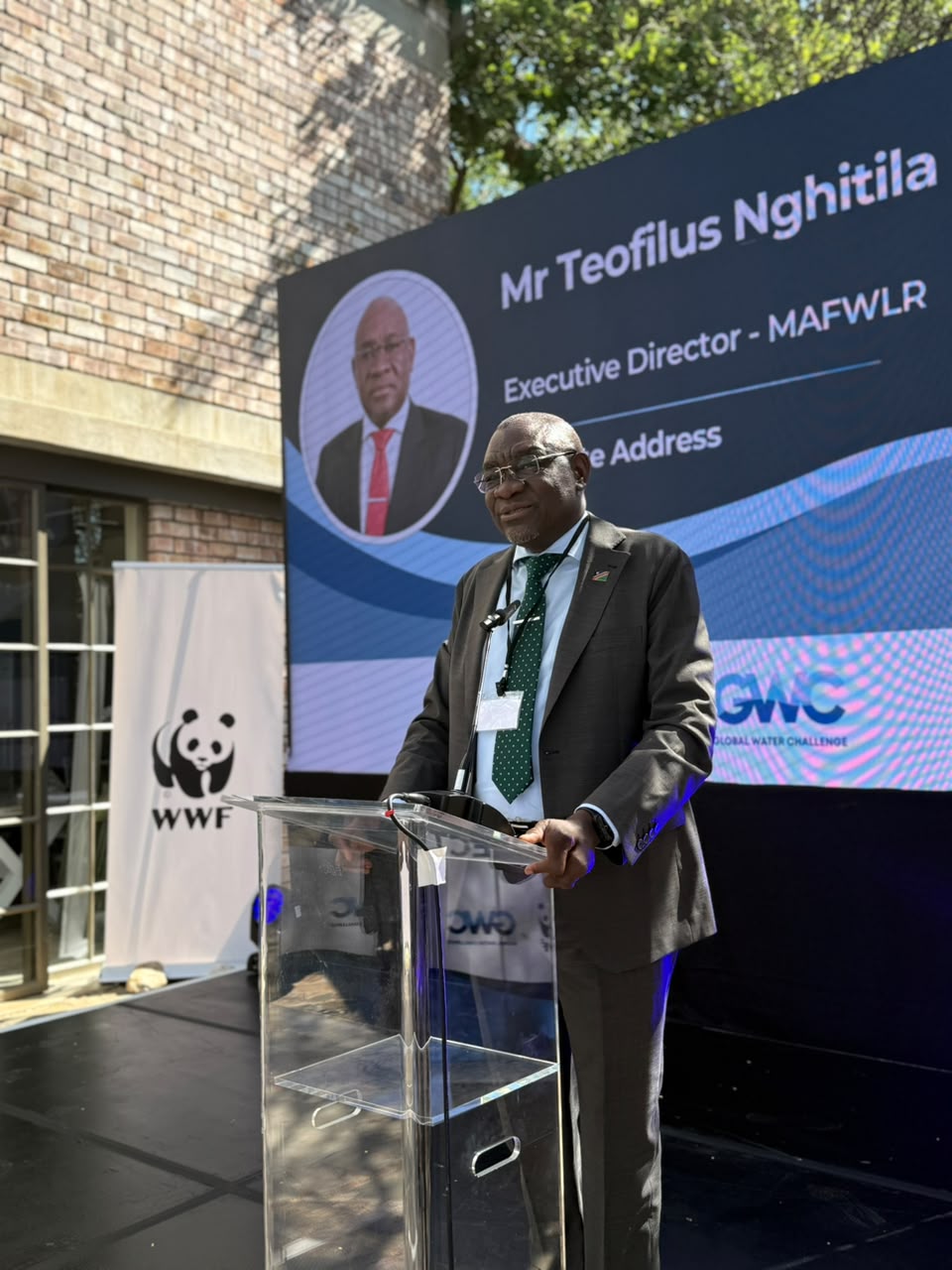
Meanwhile, the Ministry of Agriculture, Fisheries, Water and Land Reform`s Executive Director Teofilus Nghitila, said the project supports the government's efforts to strengthen integrated water resource management and build resilience to climate change.
“The Government of Namibia remains committed to strengthening water security and climate resilience through sustainable water resource management,” Nghitila said.
He said partnerships such as the Swakop Basin Collective Action Project demonstrate the value of cooperation in addressing shared water challenges and supporting long-term resilience for communities and businesses.
GWC`s Senior Water Stewardship Director Malick Keita, said water security requires collective action and welcomed NBL as a partner in expanding existing efforts in the Swakop Basin.
“This initiative demonstrates how strong private-sector commitment, combined with local expertise and public-sector collaboration, can translate into meaningful, lasting benefits for water resources, ecosystems, and communities,” Keita said.
WWF Namibia Country Director, Juliane Zeidler said water affects ecosystems, communities and the economy, adding that investment in the health of the basin could help address water challenges at their source.
The project is intended to deliver long-term benefits through improved water management and ecosystem protection. However, its wider economic impact will depend on implementation and whether the targeted water benefits translate into more reliable supplies for businesses, households and other water users.