Home Market & Sectors Agriculture & Oceans
Namibia's 44% Milk Supply Gap Highlights Need For Dairy Investment
Namibia's reliance on imported milk is highlighting the need for greater investment in local dairy production, as high feed costs and limited productive cattle continue to constrain the sector.
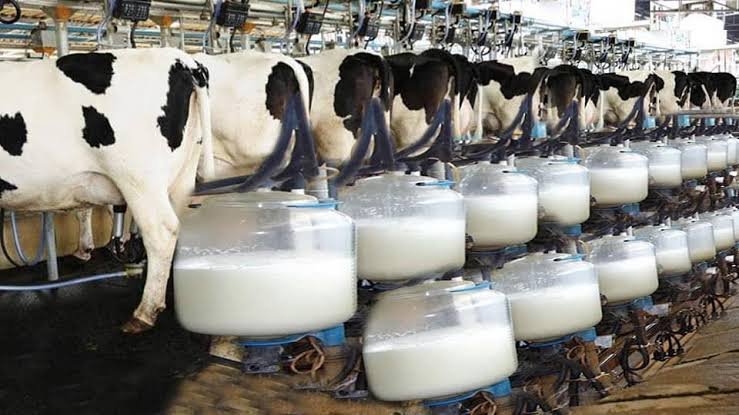
Namibia's domestic dairy industry supplied approximately 56% of national milk demand in 2025, leaving a 44% supply gap that highlights the country's continued dependence on imported milk and the need for investment in local dairy production.
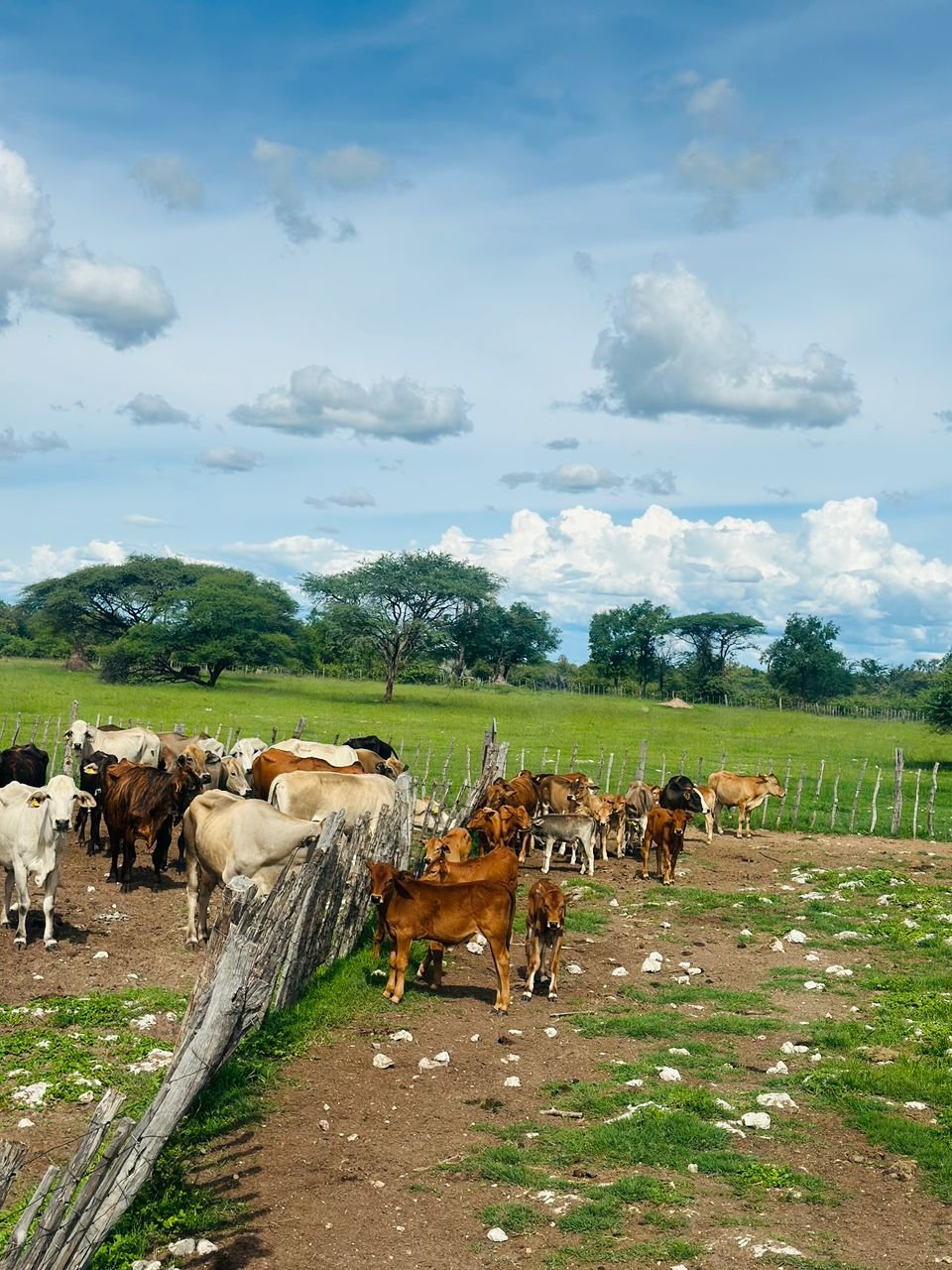
According the Ministry of Agriculture, Fisheries, Water and Land Reform, the country requires approximately 3,600 additional productive dairy cows to increase its national herd to 7,600 and achieve milk self-sufficiency.
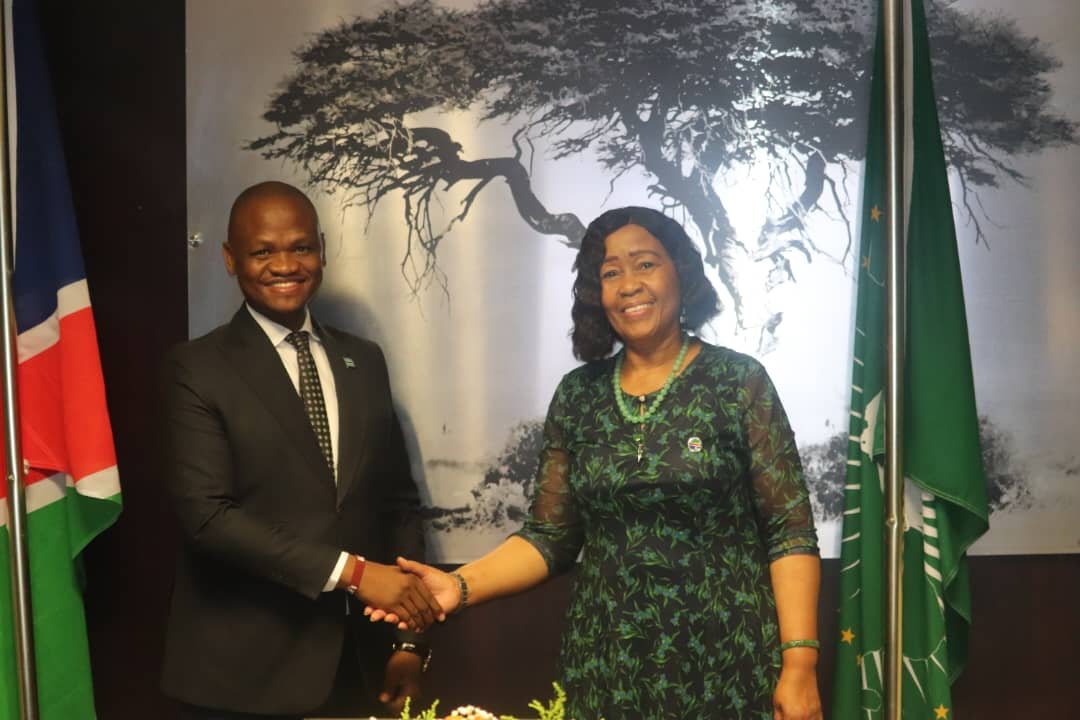
Ministry of Agriculture, Fisheries, Water and Land Reform Minister, Inge Zaamwani made the remarks in the National Assembly on Thursday while responding to questions from Popular Democratic Movement Leader, McHenry Venaani.
Zaamwani said Namibia produced approximately 17.1 million litres of milk in 2025, meeting just over half of domestic demand.
The figures highlight opportunities for increased investment in dairy farming, animal feed production and milk processing as the country works towards reducing its reliance on imported dairy products.
However, Zaamwani acknowledged that Namibia's arid climate and the high cost of producing quality animal feed remain major obstacles to expanding the industry.
"The ministry recognises that establishing a self-sustaining national dairy sector requires multiple approaches to address both the supply-side constraints as well as an enabling environment for private sector investment,” she said,
The minister further explained that maintaining productive dairy cattle remains expensive, particularly because Namibia's climatic conditions limit the availability of locally produced animal feed.
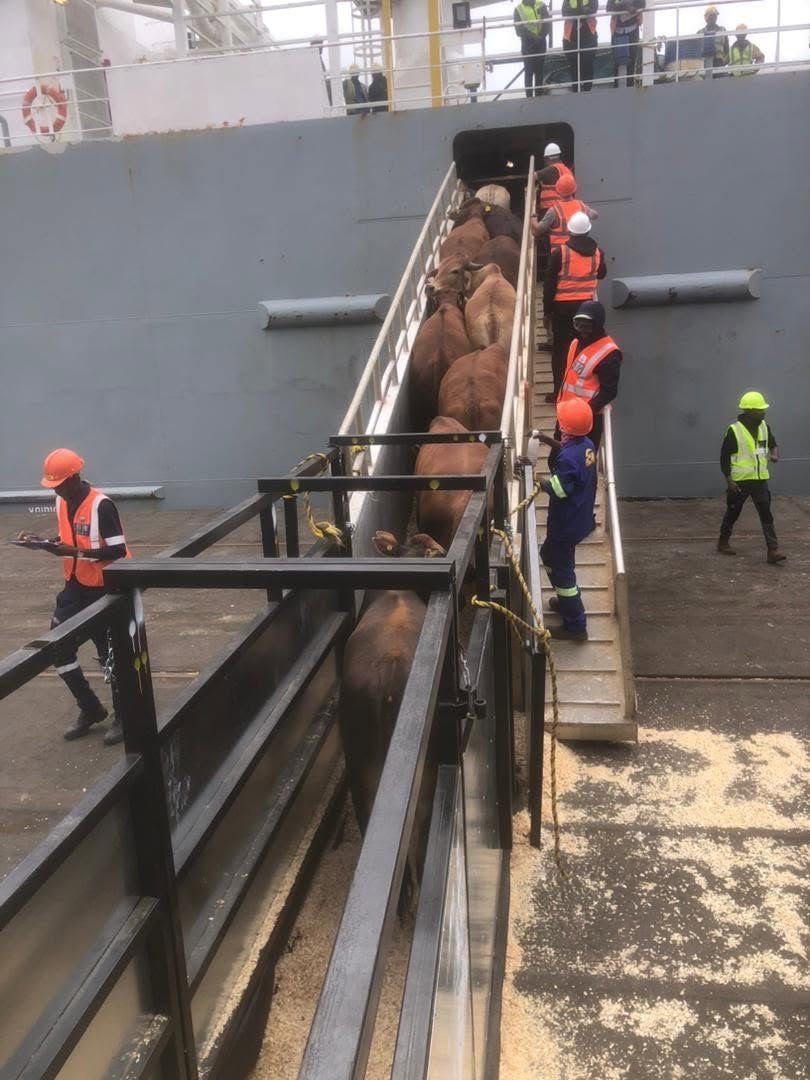
According to the Zaamwani, additional dairy cattle could be sourced from international markets to strengthen domestic production. However, such imports would have to comply with veterinary requirements, including pre-export testing, health certification and quarantine upon arrival.
The proposed expansion of the national dairy herd forms part of efforts to increase local milk production and strengthen Namibia's agricultural value chain.
Zaamwani also revealed that the ministry is engaging interested stakeholders to revive the government-funded Uvhungu-Vhungu dairy farm in the Kavango East Region.
The project, which was reportedly approximately 80% complete before a dispute with the contractor disrupted its development, forms part of the government's efforts to expand domestic dairy production.
The proposed revival could contribute to milk production capacity while creating opportunities for agricultural investment and employment in the region.
The ministry's plans come as Namibia continues to work towards strengthening local agricultural production, reducing dependence on imported food products and encouraging private sector participation in the dairy industry.