Slower Growth, Rising Costs: What Businesses Should Expect From Namibia's 2027 Economic Outlook
Businesses are heading into 2027 with a modestly improving economic outlook, but the recovery is unlikely to remove the cost pressures, investment uncertainties and sectoral weaknesses that have constrained economic activity.
Businesses are heading into 2027 with a modestly improving economic outlook, but the recovery is unlikely to remove the cost pressures, investment uncertainties and sectoral weaknesses that have constrained economic activity. While Government expects economic growth to improve to 2.6% next year, the bigger question for the private sector is whether that improvement will translate into stronger demand, lower operating costs and better conditions for investment.
The Ministry of Finance's October 2026 Mid-Year Budget Review, presented by Minister of Finance Ericah Shafudah, estimates that the economy will grow by 2.3% in 2026, down from the 3.1% projected in the February main budget. The revision reflects slower-than-expected economic performance during the first half of the year.
Although the Ministry projects growth to improve to 2.6% in 2027, followed by 3.0% in 2028 and 3.3% in 2029, the figures point to a gradual recovery rather than a rapid economic expansion.
The 2027 projection also differs from the Bank of Namibia's August 2026 Economic Outlook, which projected growth of 2.8%. The difference reflects separate forecasting exercises and publication dates. This analysis uses the Ministry's 2.6% projection as the principal government planning baseline, while recognizing the Bank's higher estimate as an alternative outlook.
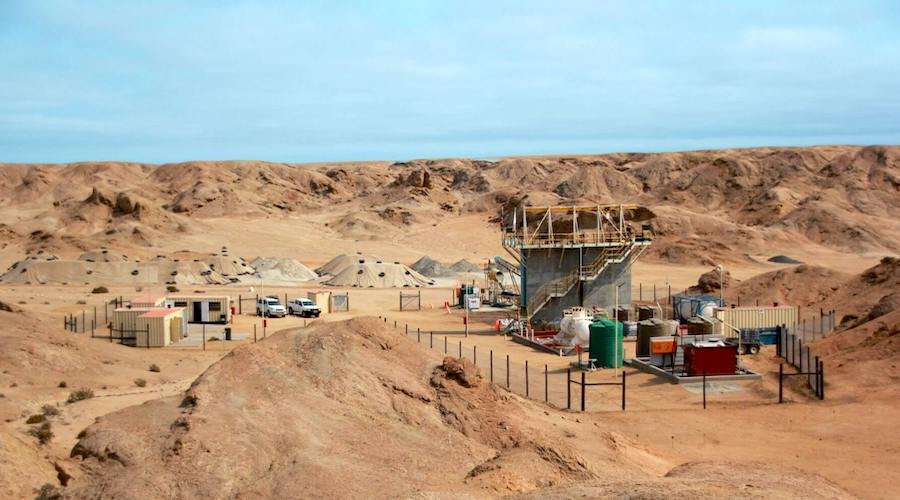
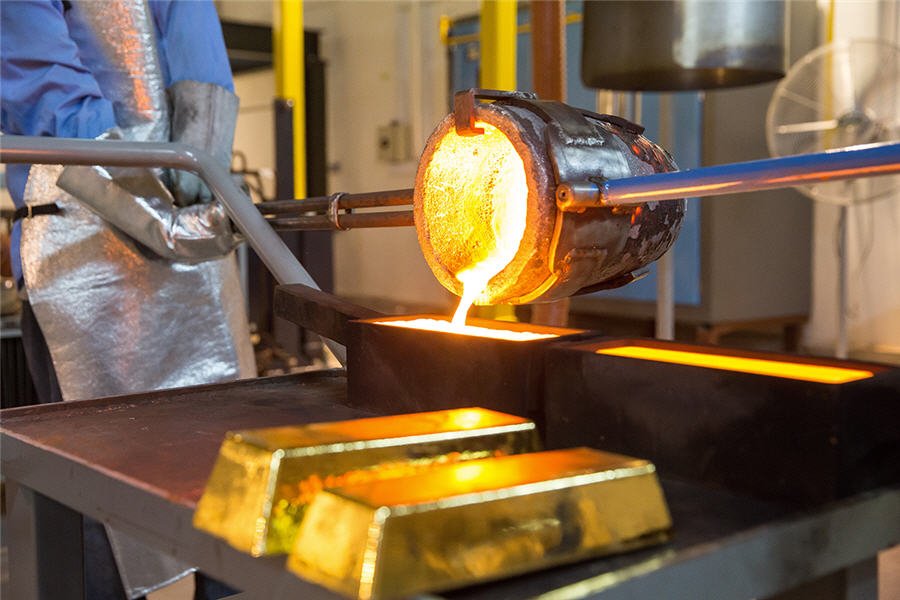
The projected recovery is expected to receive support from pipeline mining projects, particularly uranium and gold, alongside stronger consumption as inflation and interest rates ease.
However, the mining sector's contribution remains uneven. Government has revised mining company tax and royalty revenue down from N$6.1 billion to N$5.2 billion for FY2026/27. Diamond taxes and royalties, which generated N$5.8 billion in 2023/24, are now projected at just N$414 million in 2026/27.
This highlights the vulnerability of an economy whose export earnings and government revenue remain significantly exposed to international commodity markets.
Agriculture also faces uncertainty following the Foot-and-Mouth Disease outbreak and the anticipated El Niño weather conditions. These developments could affect livestock production, agricultural exports, food supply and businesses operating across the agricultural value chain.
Beyond economic growth, the cost of doing business will be an important determinant of private-sector performance in 2027.
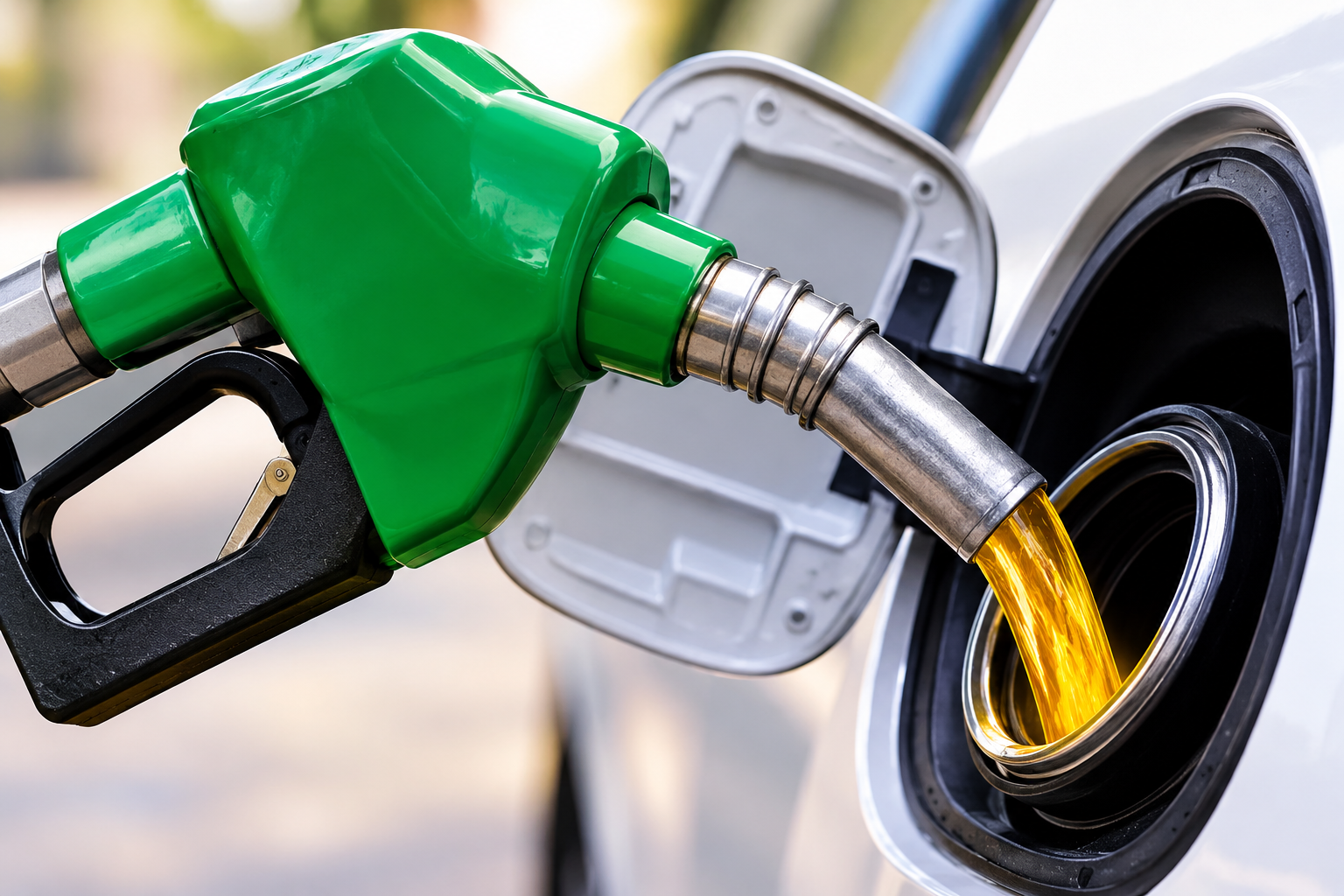
Government identifies high fuel prices as one of the risks to the economic outlook. Between April and July 2026, it provided close to N$740 million in fuel-price relief through fuel levy reductions and price-stability measures.
However, fuel is only one component of business operating costs. Transport, electricity, imported production inputs, equipment financing, wages and other operational expenses influence how much businesses spend to maintain their operations.
The Ministry's review also reports that inflation averaged 3.5% in 2025, while the Bank of Namibia projects inflation of 4.0% in 2026 and 3.9% in 2027.
For businesses, this means that even if inflation moderates, the cumulative cost of operating may remain considerably higher than in previous years. Companies may have to absorb these expenses, increase selling prices or adjust their operations to protect profit margins.
Namibia's external trade position presents an additional concern. The Ministry reports that the merchandise trade deficit widened during the first eight months of 2026, driven by higher import payments and declining exports.
For businesses dependent on imported machinery, fuel, raw materials and intermediate goods, international price movements and exchange-rate exposure can influence procurement costs and investment decisions.
The implication is that domestic economic recovery will also depend on the country's ability to strengthen local production, improve export competitiveness and reduce excessive dependence on imported inputs.
Government has identified investment promotion and improved business administration as priorities. Measures include advancing the Investment Promotion and Facilitation Bill, strengthening the BIPA One-Stop Centre and reducing turnaround times for environmental clearance certificates, exploration and mining licences.
It is also considering zero-rating VAT on agricultural inputs and equipment to reduce domestic food-production costs.
These measures could improve the investment environment, but their effectiveness will depend on implementation and whether businesses experience tangible improvements in the cost and time required to establish or expand operations.
The fiscal environment also matters. Government projects public debt at 68.7% of GDP and interest payments equivalent to 17.5% of revenue in FY2026/27. This reinforces the importance of disciplined public spending and attracting private investment to support economic activity.
Ultimately, the 2.6% growth projection for 2027 provides a measure of optimism, but it should not be confused with a broad-based improvement in business conditions.
The real test will be whether mining recovery, agricultural resilience, infrastructure development and investment reforms generate stronger demand, sustainable employment and better opportunities for local businesses.
For the private sector, 2027 may bring improved economic activity, but the ability to convert that growth into profitability and expansion will depend on how successfully Namibia addresses its underlying production costs, investment constraints and structural weaknesses.