Home Market & Sectors Tech & Innovation
N$80 Million Water Manufacturing Plant Could Open New Opportunities for Namibian Businesses
A proposed N$80 million investment in a water infrastructure materials manufacturing plant could create new opportunities for local businesses, strengthen domestic industrial capacity and reduce reliance on imported materials as Government seeks to expand the country's water infrastructure network.
A proposed N$80 million investment in a water infrastructure materials manufacturing plant could create new opportunities for local businesses, strengthen domestic industrial capacity and reduce reliance on imported materials as government seeks to expand the country's water infrastructure network.
The proposed manufacturing facility, identified by the National Planning Commission (NPC), is intended to establish local production capacity for materials required in water supply infrastructure projects, potentially positioning Namibian businesses to participate in both domestic and regional supply chains.
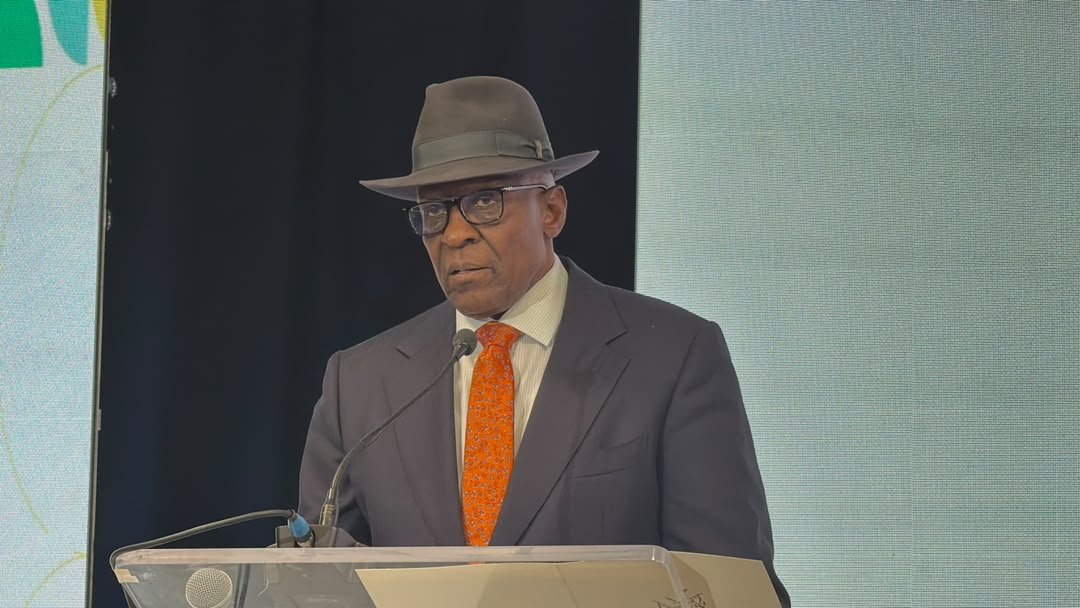
NPC Director General, Kaire Mbuende highlighted the proposal at the Government Institutions Pension Fund (GIPF) Pension and Investment Symposium 2026, identifying water supply manufacturing among several investment opportunities where Government is seeking private sector participation.
Mbuende indicated that expressions of interest from potential investors would be an important starting point in advancing the manufacturing initiative.
The proposed investment comes at a time when Namibia is exploring several major water infrastructure developments that could increase demand for pipes, fittings and other materials required to construct and maintain water supply networks.
One of the identified projects is the development of the Ohangwena II Aquifer and the Ohangwena II Wellfield Water Supply Scheme, which carries an estimated investment requirement of approximately N$250 million.
The project represents another potential area of demand for water infrastructure materials, alongside planned bulk water pipelines, network upgrades and possible desalination expansions.
For local manufacturers, participation in this market could create opportunities to supply infrastructure projects rather than relying predominantly on imported materials. However, the extent of these opportunities will depend on the products manufactured locally, their production capacity, pricing and ability to meet the technical requirements of major water infrastructure developments.
Establishing domestic manufacturing capacity could have broader economic implications beyond supplying Government water projects.
A local manufacturing facility could support employment creation, develop technical skills, strengthen industrial supply chains and provide opportunities for smaller businesses involved in distribution, maintenance and related services.
It could also reduce exposure to imported materials and international supply chain disruptions, particularly where locally produced alternatives can meet required quality and cost standards.
However, the commercial viability of the proposed facility will depend on whether there is sufficient and consistent demand to support production, whether local manufacturers can compete with imported products and whether the investment can attract the necessary financing and technical expertise.
The existence of major infrastructure investment requirements does not automatically guarantee contracts for local manufacturers. Procurement arrangements, product specifications and the competitiveness of domestic production will be important in determining how much value remains within Namibia.
The proposed manufacturing plant is part of a wider investment programme involving desalination, bulk water infrastructure and the development of additional water resources.
Mbuende also highlighted the Erongo Desalination Plant, which currently has the capacity to produce up to 22.5 million cubic metres of water annually, with potential expansion to 45 million cubic metres.
NamWater is exploring additional desalination capacity and associated bulk water infrastructure along the coast, with potential developments requiring investments worth several billion Namibia dollars.
These projects, together with the proposed Ohangwena II development, illustrate the scale of infrastructure requirements that could support demand for locally manufactured water supply materials.
Under the Sixth National Development Plan (NDP6), Government is placing greater emphasis on private sector participation, investment partnerships and project preparation to mobilize financing for national development priorities.
However, the proposed N$80 million manufacturing plant remains an investment opportunity requiring investor interest, financing and further development before its potential economic benefits can be realized.