Home Market & Sectors Agriculture & Oceans
AGRICULTURE AND OCEANS
Namibia, Botswana Move to Remove Agricultural Trade Barriers to Boost Regional Markets
Namibia and Botswana have agreed to address agricultural trade restrictions affecting livestock, poultry and pork while strengthening cooperation in dairy production to improve market access and support agricultural businesses in both countries.

Namibia and Botswana have agreed to strengthen bilateral agricultural trade by addressing cross-border restrictions, expanding access to regional and international markets, and improving cooperation in livestock and dairy production.
According to a joint communiqué issued following a bilateral agricultural trade and cooperation meeting held in Windhoek on Monday, the two countries committed to removing structural barriers that limit commercial opportunities for farmers and agribusinesses.
Namibia's Minister of Agriculture, Inge Zaamwani and Botswana's Minister of Lands and Agriculture, Edwin Dikoloti reached the agreement during discussions aimed at improving agricultural trade and strengthening regional food self-sufficiency.
The communiqué states that the ministers committed to leveraging existing trade relations to expand reciprocal market access and create new opportunities for agricultural producers.
Furthermore, the ministers emphasized that existing frameworks must actively evolve to eliminate structural barriers, thereby unlocking new commercial opportunities for farmers and agribusinesses across both borders.
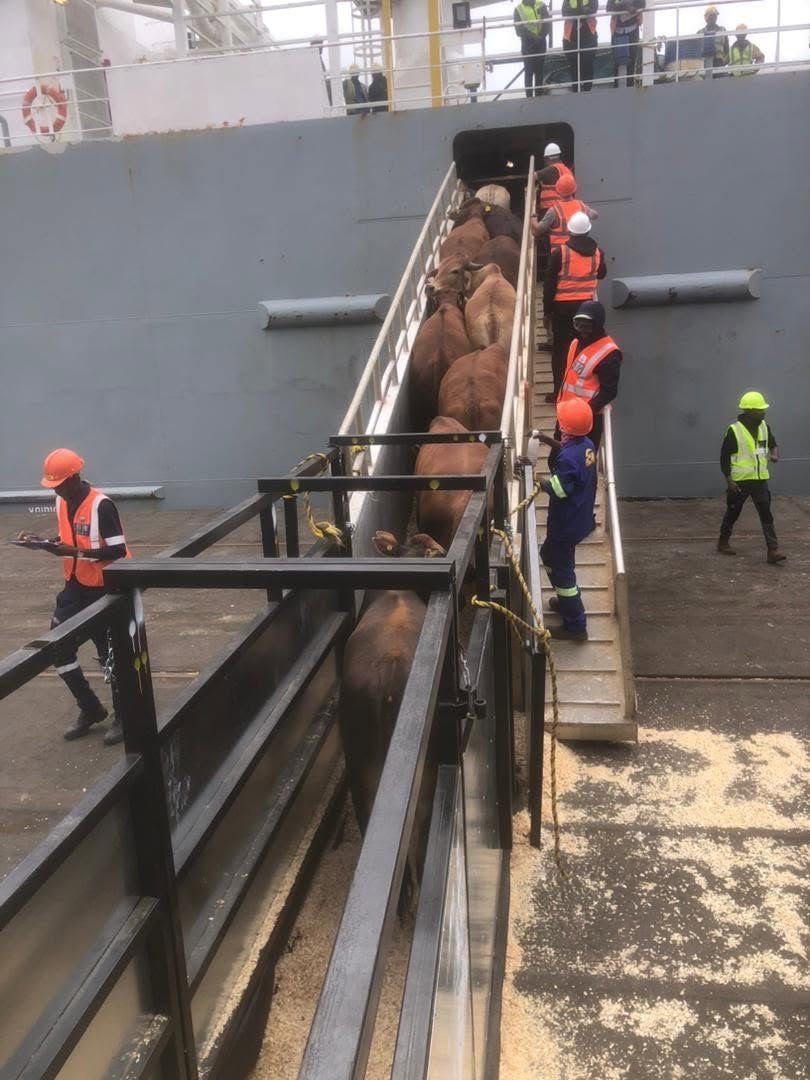
A major focus of the discussions was resolving restrictions affecting the cross-border importation of poultry and pork, which the ministers identified as obstacles to the development of the two countries' agricultural industries.
Both governments agreed to address these bottlenecks to support domestic production, processing capacity and the financial sustainability of poultry and pork businesses.
The ministers also agreed to explore closer cooperation between private-sector players in developing a joint poultry value chain.
The two counterparts critically reviewed ongoing trade impediments and committed to ensuring that existing bottlenecks affecting the cross-border importation of poultry and pork are swiftly resolved.
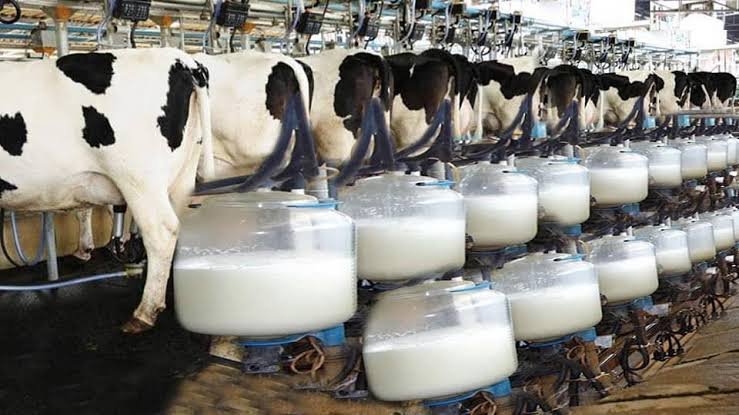
The agreement further extends to dairy production, with both countries committing to improving cooperation in dairy animal production and facilitating the movement of dairy livestock and genetics across their borders.
This cooperation will involve aligning animal health requirements and logistical procedures to strengthen domestic dairy value chains and reduce dependence on external dairy markets.
In addition, the two countries agreed to pursue coordinated strategies for entering high-value regional and international agricultural markets.
These measures include promoting commodity-based trade to manage animal disease-related restrictions, coordinating access to export markets and exploring emerging opportunities across the African continent.
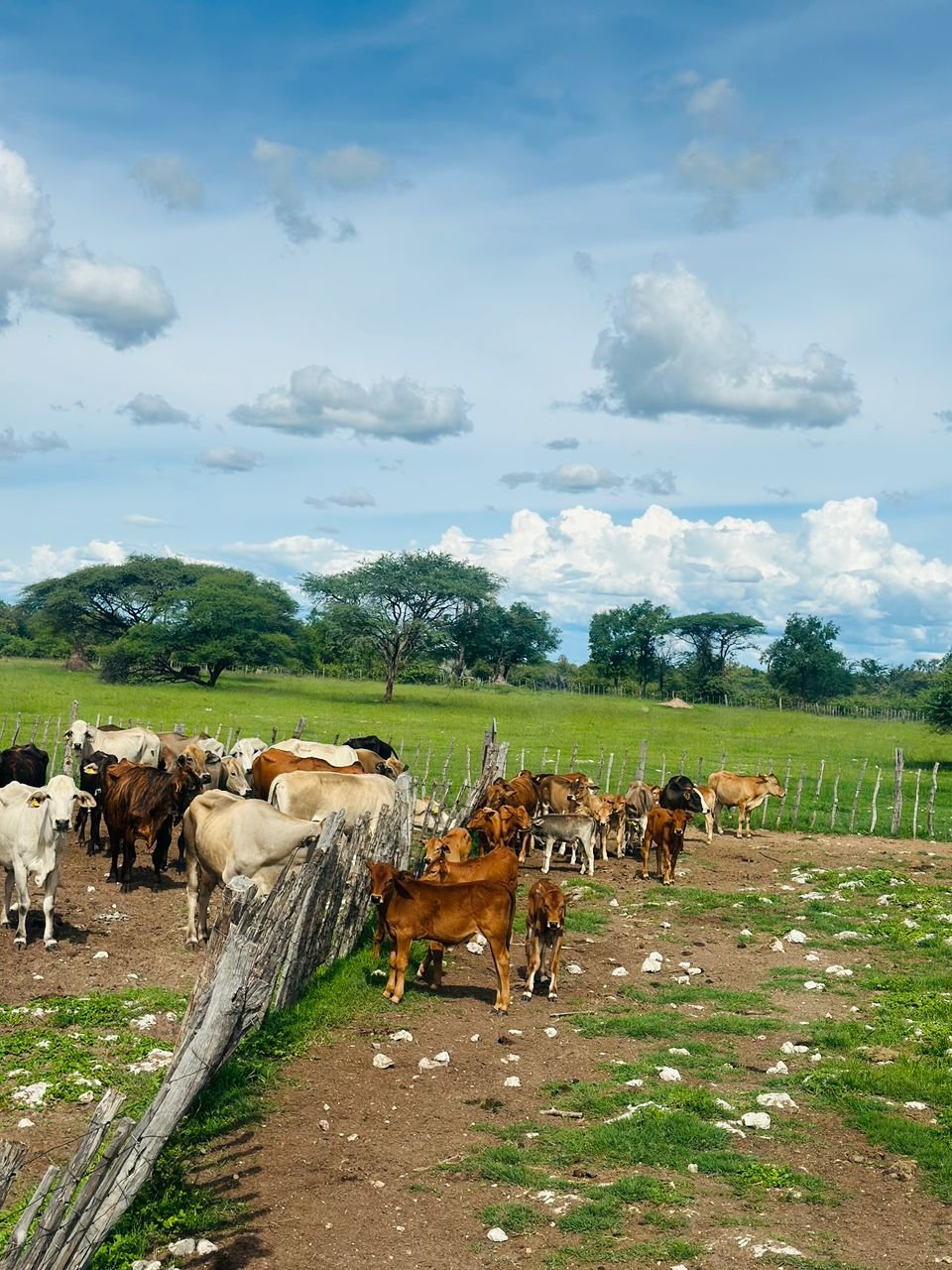
To support implementation, the ministers directed the immediate establishment of a Joint Veterinary Technical Committee responsible for addressing animal health regulations, trade restrictions and disease control measures.
The committee will also coordinate veterinary information sharing, strengthen regulatory systems and improve vaccine supply security to protect livestock populations.
The communiqué states that the ministers agreed to operationalise the technical committee within two weeks of signing the agreement.
The cooperation follows discussions on managing foot-and-mouth disease, with both countries recognising the importance of coordinated animal health measures in maintaining agricultural trade and protecting livestock-dependent livelihoods.