Water Investment
GWPO Pushes to Move Nine Local Water Projects From Commitments to Delivery
The proposed investments include a US$44 million Okavango water pipeline, a US$130 million coastal desalination plant, wastewater treatment facilities and dam infrastructure.

Stronger coordination between government and development partners is needed to move nine proposed water investment projects from commitments to implementation, the Global Water Partnership Organization (GWPO)'s Executive Secretary and Chief Executive Officer, Alex Simalabwi, emphasized .
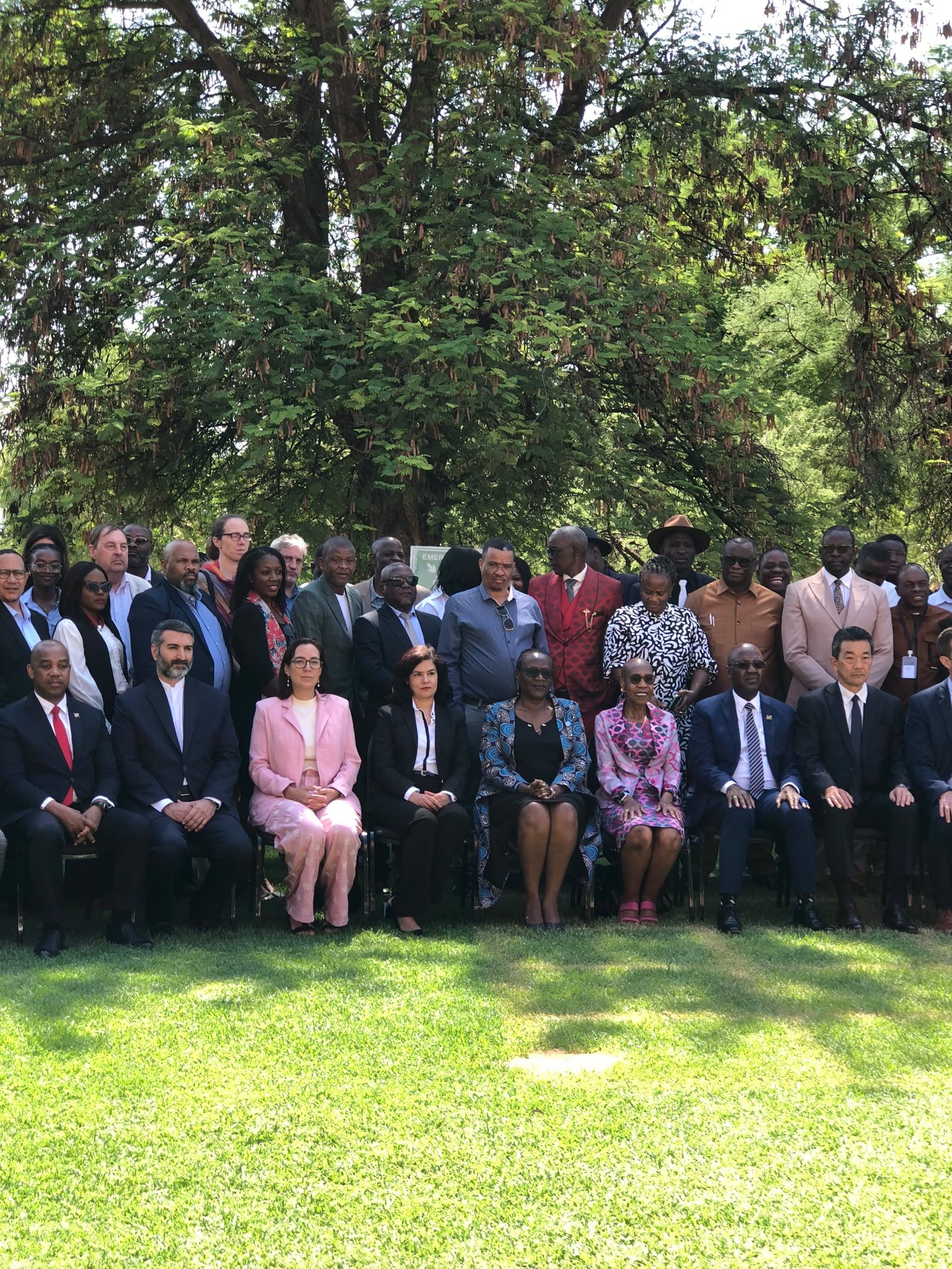
Speaking at the 2026 Development Partners Forum in Windhoek on Tuesday, Simalabwi said water infrastructure is central to economic development and job creation.
“Water infrastructure is the foundation of economic transformation and job creation,” he said.
Simalabwi said the nine water investment opportunities include an Okavango water supply pipeline, a Lüderitz wastewater and sanitation plant, a coastal desalination plant, dam infrastructure, the Lower Orange River project, Windhoek's water reclamation facility, an Otjiwarongo wastewater treatment plant, an extension of the Calueque canal and the proposed Kunene Water Facility.
He said the opportunities had already been discussed “We have already been in discussion with the government, the Ministry of Water and other partners about some investment opportunities,” Simalabwi said.
The Okavango water supply pipeline is estimated at US$44 million and would transport 35 million cubic metres of water annually from Rundu to the Eastern National Water Carrier, benefiting approximately 500,000 people.
Another proposal is an US$83 million wastewater and sanitation plant in the Lüderitz region, expected to serve at least 70,000 residents and industrial users.
The list also includes a central coastal desalination plant estimated at US$130 million, which would supply water to mines and local authorities, including Walvis Bay and surrounding areas.
A further proposal involves raising an existing dam wall to increase storage capacity to nearly 300 million cubic metres, with the additional capacity intended to improve irrigation and water supply.
In addition, the proposed Lower Orange River project, being developed jointly with South Africa, is at the feasibility stage. It involves improving water storage and regulating river flows, with project costs, annual operating expenses and financing options still under assessment.
For Windhoek, the proposed expansion of the direct water reclamation facility would add 10,000 cubic metres of treatment capacity, while the Otjiwarongo wastewater treatment project would add treatment and reuse infrastructure to supply industrial demand and conserve water.
The remaining proposals involve extending the Calueque canal by eight kilometres on the Angolan side to bring water to Namibia, supporting drought preparedness, domestic supply and livestock watering, and developing the Kunene Water Facility, which would include dam and irrigation infrastructure to improve water security, livelihoods, tourism and employment opportunities.
Simalabwi said Namibia's development priorities depended on securing water resources.
“We know that the priorities in the National Development Plan will not be achieved without water security,” he said.
He said GWPO would work with the government and development partners to prepare the investment opportunities, structure projects and engage financial institutions, including multilateral development banks and pension funds.
“We are not a bank, we are not a capacity building institution, and we are not a government,” Simalabwi said, explaining that the organisation worked at the intersection of finance, capacity and governance.
“The aim is to close the gap between declarations and commitments on one side and projects that are actually implemented on the other, and to move projects from commitment to delivery in record time,” he said.
He called for a dedicated Development Partners Group on Water to coordinate development partner support for the proposed investments.
“We want to work with all development partners to accelerate the economic transformation of this country through water,” Simalabwi said.