Home Market & Sectors Mining & Minerals
No Approval for Wings Test Uranium Mining as Government Demands Further Technical Assessments
The proposed Wings uranium project near the Stampriet Aquifer has suffered a regulatory setback after the Ministry of Environment, Forestry and Tourism confirmed that the Environmental Commissioner disapproved Headspring Investments’ current application for test in-situ leach (ISL) uranium mining.
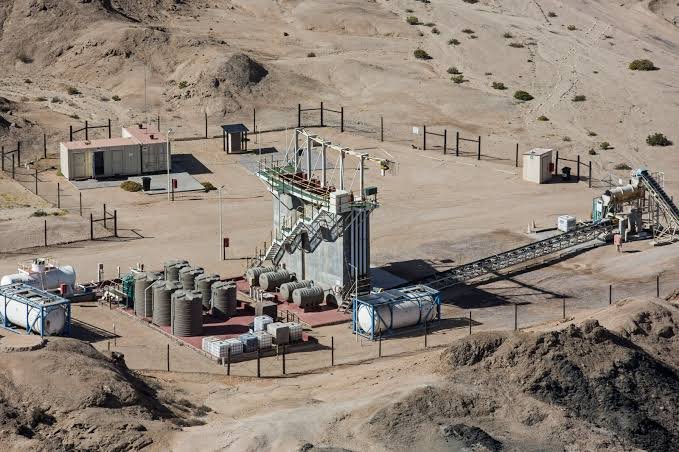
The proposed Wings Uranium project near the Stampriet Aquifer has suffered a regulatory setback after the Ministry of Environment, Forestry and Tourism confirmed that the Environmental Commissioner disapproved Headspring Investments’ current application for test in-situ leach (ISL) uranium mining.
The clarification comes amid growing concerns from the Stampriet Aquifer Uranium Mining Association (SAUMA) over the potential implications of uranium exploration and possible future mining activities for the Stampriet Transboundary Aquifer, a groundwater system shared by Namibia, Botswana and South Africa.
In a response to questions from Business 360 Pulse, Vilho Hangula, Chief Public Relations Officer at the Ministry of Environment, Forestry and Tourism, said no permission had been granted for the actual test mining.
“Firstly, let’s be clear that no permission was granted for the actual test mining,” Hangula said.
He explained that the Environmental Commissioner had disapproved Headspring’s current Environmental Clearance Certificate (ECC) application for the test ISL project because of identified gaps and the need for additional technical information.
The decision, however, does not amount to a permanent rejection of the project.
According to Hangula, Headspring is expected to collect more data, conduct further assessments and address the identified shortcomings before improving and resubmitting its Environmental Impact Assessment (EIA) and Environmental Management Plan (EMP).
The revised application would then be considered by the Environmental Commissioner, together with the relevant competent authorities, for further review and a decision.
This means that the proposed test mining cannot proceed on the basis of the current application. The company must first address the regulatory concerns and obtain the necessary approval through a new application process.
The distinction is particularly important because the discussion around the Wings project involves different stages of activity. Headspring has indicated that its research phase will involve additional boreholes and no chemical reagents, while a revised application for pilot testing would follow.
Research drilling and test ISL mining are not the same activity. The Ministry’s clarification addresses the application for test mining, but the precise authorisation, conditions and scope of the proposed research boreholes still require clarification.
For SAUMA, the concern extends beyond whether the current test mining application has been approved. The association argues that any future decision must be informed by adequate scientific evidence and strong safeguards for groundwater protection.
In a media statement issued on 3 November, SAUMA said the announcement of additional research boreholes should not be interpreted as approval for chemical leaching or proof that uranium extraction would be safe.
The association has called for the publication of the relevant authorisations, including the activities permitted, locations, duration and conditions. It has also demanded greater disclosure of the scientific basis for the research programme, baseline groundwater quality, aquifer assessments, monitoring arrangements and proposed protection measures.
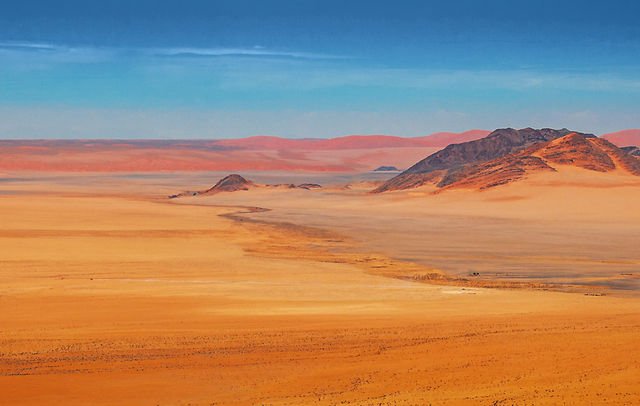
A central issue is the location of the proposed project in an area associated with the Stampriet Transboundary Aquifer System. Groundwater resources in the region support households, livestock farming and other economic activities. Concerns about potential impacts therefore extend beyond the immediate project area and Namibia’s borders.
SAUMA has also called for consultation with Botswana and South Africa, arguing that the shared nature of the aquifer makes transparency and cooperation important before decisions are taken on any future pilot extraction.
The question of accountability remains equally significant. While environmental assessments and management plans are part of the approval process, the available Ministry response has not yet clarified what financial guarantees, insurance or other binding arrangements Headspring would be required to provide in the event of groundwater damage.
For communities and farmers who depend on groundwater, the issue is not only whether risks can be managed, but who would carry the cost of providing alternative water, undertaking remediation and compensating affected users if contamination were ever to occur.
SAUMA has urged that drilling be put on hold pending full disclosure and independent scrutiny, and that no chemical injection or pilot recovery take place while its concerns remain unresolved.