Home Market & Sectors Agriculture & Oceans
AGRICULTURE AND OCEANS
Namibia Cuts Hake Quota by 13% Amid Declining Fish Stocks
Namibia has reduced its allowable hake catch by 17,000 tonnes to 116,000 tonnes for the 2026/27 fishing season, citing declining fish stocks and the need to safeguard the long-term sustainability of marine resources.
Ministry of Agriculture, Fisheries, Water and Land Reform Spokesperson, Romeo Muyunda said the government had reduced Namibia's hake Total Allowable Catch (TAC) by 17,000 metric tonnes for the 2026/27 fishing season, citing declining fish stocks and the need to safeguard the fishing industry's long-term sustainability.
In a statement, Muyunda said the hake TAC had been reduced from 133,000 tonnes to 116,000 tonnes, representing a 13% decrease.
Explaining the decision, Muyunda said, “this reduction comes against the backdrop of declining fish stocks, necessitating a precautionary approach to fisheries management to ensure the long-term sustainability of Namibia’s marine resources.”
The reduction highlights the challenge of balancing the fishing industry's economic contribution with the need to conserve marine resources that support its long-term productivity.
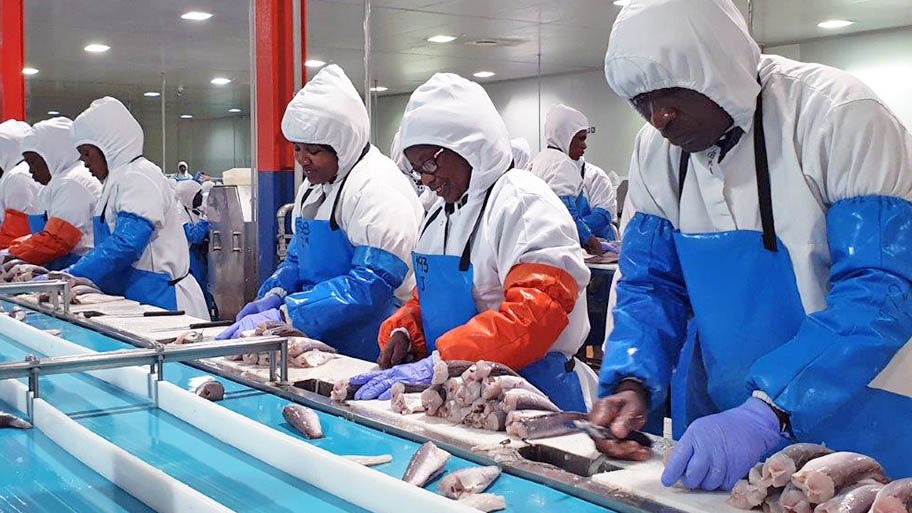
Hake is an important part of Namibia's fishing industry, supporting commercial fishing operations, processing activities and export markets. A lower allowable catch could affect fishing operators and businesses that depend on hake volumes, although the actual economic impact will depend on how companies adjust to the reduced allocation.
The decision also raises questions about the industry's ability to maintain production levels while ensuring the recovery and sustainability of fish stocks. Marine resources remain important to employment, investment and economic activity across the wider fisheries value chain.
In line with government's objective of retaining more economic benefits from marine resources within the country, Muyunda said the ministry would consult towards achieving its long-term goal of 100% wet-fish allocation.
The policy direction aims to encourage increased fish landings, strengthen shore-based processing activities, attract investment in local processing capacity and expand employment opportunities for Namibians across the fisheries value chain.
Meanwhile, the TAC for rock lobster will remain unchanged at 180 tonnes for the 2026/27 fishing season.
Muyunda further explained that fishing right holders whose rights expire during the season would receive prorated quota allocations based on the remaining validity of their rights. Any outstanding allocations would depend on the outcome of the ongoing fishing rights evaluation process.
He said substantial progress had been made in evaluating the affected fishing rights, with the process expected to be concluded and communicated to the respective right holders before their rights expire.
The ministry also encouraged the fishing industry to increase fish supplies to the domestic market amid the Foot-and-Mouth Disease outbreak and its potential impact on meat availability, describing fish as an important alternative source of animal protein.