BUSINESS COSTS
Producer Prices Rise 14.7% as Manufacturing and Mining Costs Increase
Producer prices increased by 14.7% year-on-year in the third quarter of 2026, driven by higher prices in manufacturing and mining, raising concerns about continued cost pressures across the economy.
Producer prices in Namibia increased by 14.7% year-on-year in the third quarter of 2026, driven largely by higher prices in manufacturing and mining, pointing to continued cost pressures across key productive industries.
The increase was recorded between July and September 2026, according to the Namibia Producer Price Index (NPPI) Bulletin for the third quarter, released by the Namibia Statistics Agency (NSA) on Friday.
The overall Producer Price Index increased by 1.3% quarter-on-quarter, indicating a slower increase in producer prices compared with the sharp annual movement. The NSA attributed the quarterly increase mainly to manufacturing, which rose by 1.8%, followed by electricity generation, transmission and distribution at 1.7%.
Manufacturing recorded an annual increase of 18.2%, making it the biggest contributor to the overall annual rise. The increase was driven by higher producer prices for rubber and plastic products, which rose by 53.2%, meat processing at 17.6%, and diamond cutting and polishing at 16.3%.
Grain mill products also recorded an annual increase of 11.6%, while other non-metallic mineral products increased by 14.9%.
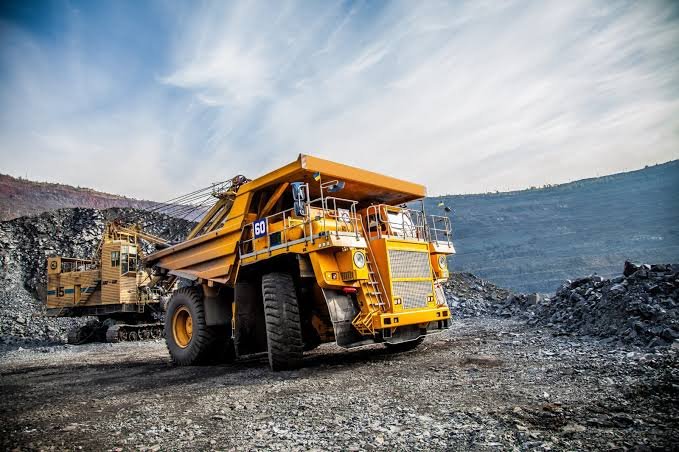
The mining and quarrying industry recorded a 10% annual increase despite contracting by 0.4% during the quarter. According to the NSA, the quarterly decline was mainly driven by lower producer prices for uranium, which fell by 7.1%, and gold, which declined by 4.8%.
However, on an annual basis, uranium prices increased by 19.6%, zinc by 16.6% and gold by 13.8%.
The NSA warned that sustained increases in producer prices could eventually affect prices paid by consumers.
“Such sustained increases in producer prices may likely exert inflationary pressure at the final consumer level,” the agency stated in its bulletin.
Electricity generation, transmission and distribution recorded a 1.7% quarterly increase but remained 5.1% lower compared with the corresponding quarter of 2025.
Water collection, treatment and supply recorded a smaller quarterly increase of 0.4%, while declining by 0.4% year-on-year.
The producer price index measures average changes in prices received by domestic producers for goods and services sold on both local and export markets. It therefore provides an indication of price movements at the production level rather than directly measuring the prices consumers pay in shops.