Home Market & Sectors Tourism & Hospitality
NWR Invests Half a Million in Fire Safety as Questions Emerge Over Resort Preparedness
Namibia Wildlife Resorts (NWR) has invested more than N$500,000 in installing fire extinguishers across its resort network, as the state-owned tourism operator moves to strengthen emergency preparedness amid growing attention on fire risks affecting tourism infrastructure.
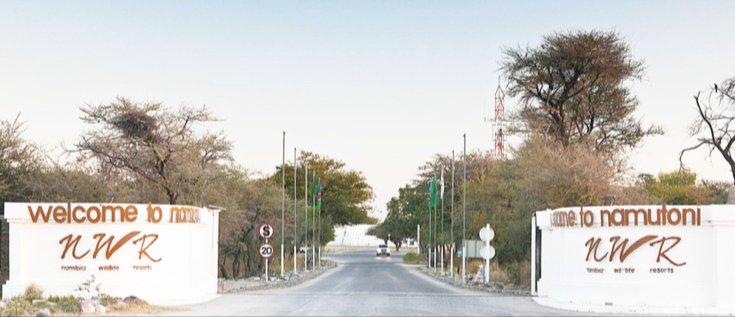
Namibia Wildlife Resorts (NWR) has invested more than N$500,000 in installing fire extinguishers across its resort network, as the state-owned tourism operator moves to strengthen emergency preparedness amid growing attention on fire risks affecting tourism infrastructure.
The investment, announced on 2 November 2026, is intended to improve the safety of guests and employees while protecting resort facilities and Namibia's natural heritage.
NWR said the initiative forms part of its broader programme of renovations and upgrades across its properties, alongside efforts to improve staff awareness, fire-safety training and emergency preparedness.
Acting Managing Director, Margareth Gustavo said the organization considers the safety of guests and employees a non-negotiable responsibility.
"The safety of our guests and employees is non-negotiable. This investment reinforces our commitment to continuously improving safety standards and ensuring that our teams are better equipped to respond to potential emergencies," Gustavo said.
However, the announcement comes against the background of previous fire incidents involving tourism facilities, particularly the devastating December 2025 fire at NWR's Sesriem staff accommodation, which claimed the life of a one-year-old child and destroyed staff housing.
The incident left approximately 75 employees without accommodation after their residential units were destroyed. The affected employees subsequently raised concerns about fire-safety preparedness at the establishment, including allegations that fire extinguishers had expired and that fire hydrants were absent. These allegations have not been established as official findings.
The circumstances surrounding the Sesriem fire have therefore made fire prevention and emergency preparedness important issues for NWR, particularly as the organization manages tourism establishments in remote locations where emergency response can present additional challenges.
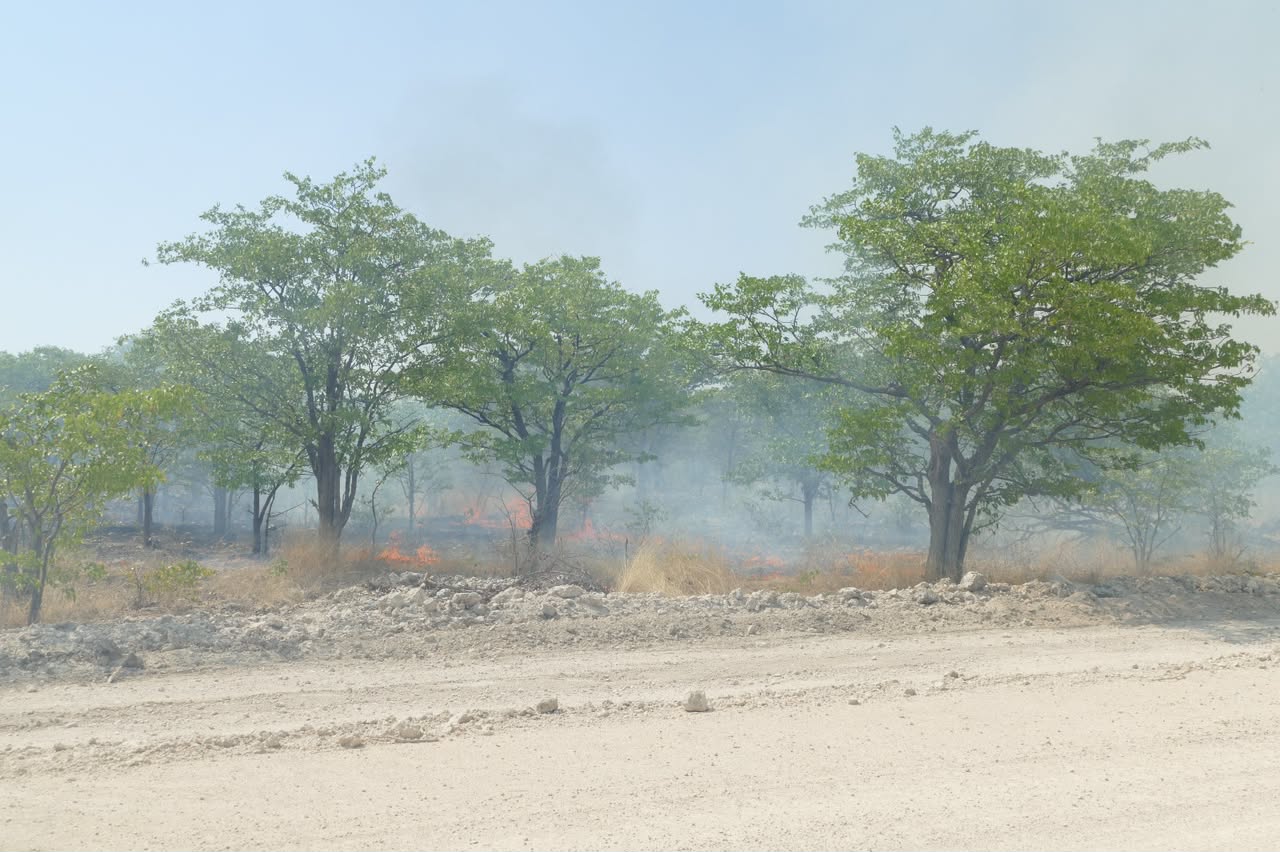
The wider fire threat was also demonstrated in September 2025 when a major wildfire swept through Etosha National Park.
According to the Ministry of Environment, Forestry and Tourism, approximately 775,163 hectares, representing 34% of the park, had been affected by the fire by 27 September 2025. The blaze spread across several areas, including Dolomite, Okatutu, Renosvlei and Halali, affecting wildlife habitats and surrounding communal grazing areas.
The Ministry's subsequent update on 1 October placed the affected area at 853,946 hectares, representing approximately 38% of the park.
Although the wildfire caused extensive ecological damage, the Ministry later indicated that major tourism accommodation facilities and buildings had not been destroyed. The incident nevertheless demonstrated the scale of fire-management challenges facing the country's protected areas.
Against this background, NWR's latest investment raises important questions about the extent of safety improvements being implemented across its establishments.
Beyond the equipment itself, effective fire preparedness depends on regular inspections and servicing, functioning alarm systems, clearly established evacuation procedures and employees who are trained to respond when emergencies occur.
These measures are particularly important at remote establishments, where access to municipal firefighting services may be limited and resort employees could be required to respond during the initial stages of a fire.
NWR has indicated that it will continue investing in fire-safety training and staff awareness as part of its broader safety programme.
The latest investment signals an effort to strengthen protection across Namibia's tourism facilities. Its longer-term significance will depend on whether the equipment is supported by effective maintenance, training and emergency-response systems.