Home Market & Sectors Tourism & Hospitality
TOURISM AND ENVIRONMENT
Etosha Fires Disrupt Travel, However, Tourism Industry Reports No Direct Losses
Fires have affected 3,746.18 square kilometres of Etosha National Park, prompting travel disruptions, although the Hospitality Association of Namibia says the industry has not experienced direct losses so far.
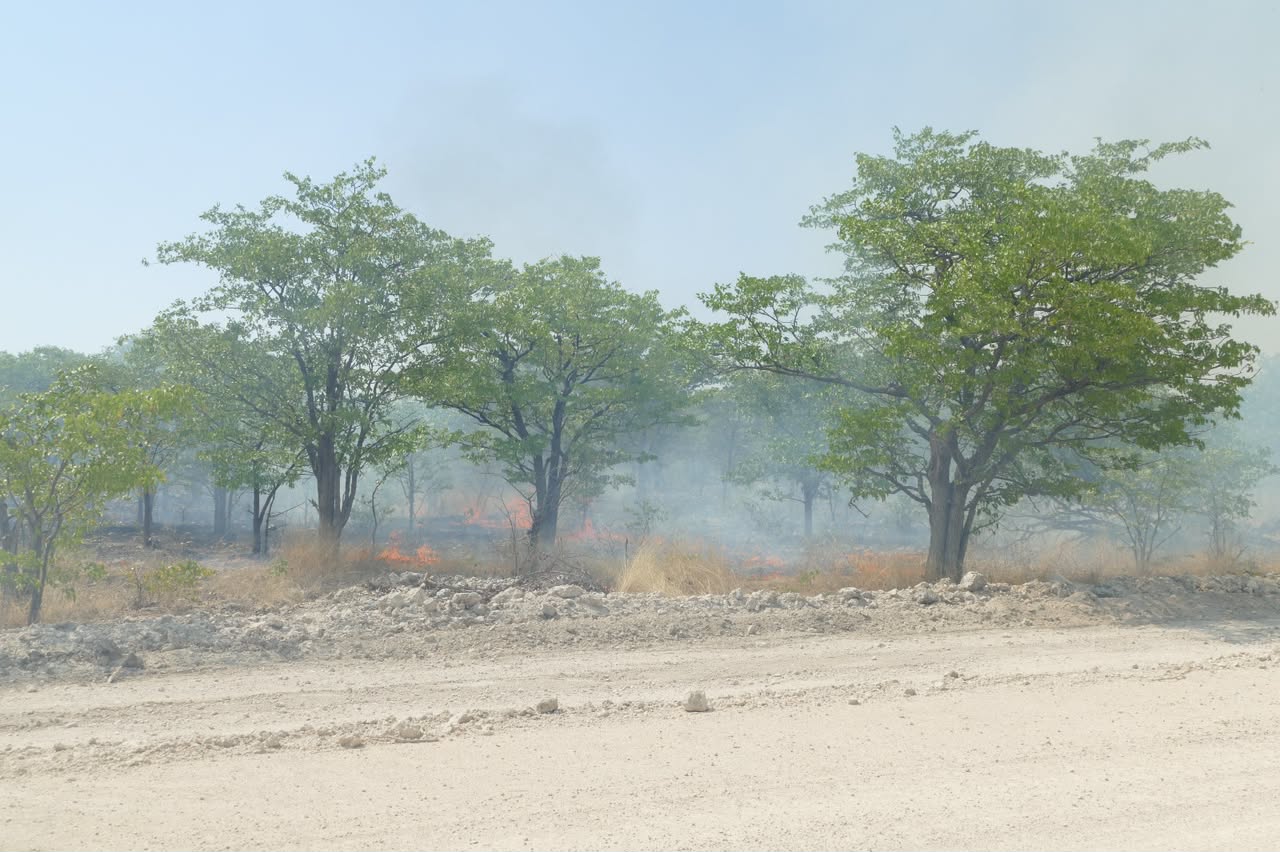
Wildfires that affected 16.3% of Etosha National Park during September and October have disrupted some travel routes, but the Hospitality Association of Namibia (HAN) says the fires have not yet caused direct losses to the tourism industry.
The Ministry of Environment, Forestry and Tourism reported that 3,746.18 square kilometres of the park have been affected by fires, according to its latest update following firefighting operations over the weekend.
The ministry said all threatening fires have been suppressed by 19:00 on Saturday, following a joint effort involving ministry staff, members of the Namibian Defence Force, Ongava staff, surrounding conservancies and neighbouring farms.
Aerial observations conducted on Sunday morning confirmed there were no active fires at Oberland and Gemsbokvlakte. Fires in the Olifantsbad, Harib and Aus blocks remained contained and posed no threat to the park.
However, the ministry warned that hot and windy conditions could cause fires to reignite in some areas.
HAN said the fires have caused some disruption to travel, with visitors having to change routes and directions to avoid affected areas.
“While the fires do cause some disruption in travel, people having to change routes and travel direction to avoid the fires, there has been no direct impact on the tourism industry, and luckily no losses as yet,” the association said in a response to Business Pulse.
The association said the fires were a recurring seasonal occurrence in Namibia during the hot and dry months between spring and summer, affecting both national parks and private property.
It also welcomed the collaboration between authorities, conservation stakeholders and neighbouring farms in fighting the fires, saying the joint response provided an opportunity to raise awareness and share updates on fire prevention.
HAN said it was relieved that the current fires had not been as large and devastating as those experienced in 2025. It also highlighted concerns about prevailing heat, wind and the potential for low rainfall associated with El Niño conditions.
Etosha is an important part of Namibia’s tourism offering, attracting domestic and international visitors and supporting businesses such as lodges, tour operators, guides and other tourism service providers.
According to Namibia’s 2025 tourist statistical report, Etosha National Park recorded 387,663 visitors, making it the country’s most visited national park. The figure underscores the park’s importance as a tourism asset.
Although HAN has not reported direct industry losses from the latest fires, continued outbreaks could create risks for businesses if they lead to prolonged travel disruptions, restrictions on visitor access or damage to wildlife habitats and park infrastructure.
The fires also highlight the importance of resources for firefighting, monitoring and prevention. The ministry has not yet confirmed their cause or published an assessment of the financial cost of the response or the extent of environmental damage.
HAN urged both public and private stakeholders to help safeguard Namibia’s environment, particularly during the fire-prone season. It also called on travellers to dispose of cigarettes and other potentially flammable waste responsibly.
The ministry said firefighting teams had returned to base to rest and remain on standby while the situation continued to be monitored.