Nuclear
“Namibia Must Take Its Rightful Place In The Global Nuclear Industry,” Says Ngurare.
Namibia is seeking to expand its nuclear industry beyond raw uranium exports, with plans to develop nuclear power, uranium conversion and other technologies while increasing opportunities for local businesses.

Namibia sought to expand its role in the global nuclear industry beyond the export of raw uranium, with plans to develop activities across the nuclear value chain and increase the sector’s contribution to the economy.
Speaking at the 3rd National Nuclear Science and Technology Conference (NNSTC26) at Swakopmund on Thursday, Prime Minister, Elijah Ngurare called for greater investment in Namibia’s nuclear industry and meaningful participation by Namibians.
“We believe it is time for Namibia to take its rightful place on the world stage in the value chains of nuclear industry, not merely as a supplier of raw uranium ore, but as an industrial powerhouse,” Ngurare said.
Ngurare said that Namibia is the world’s third-largest uranium producer after Kazakhstan and Canada, with the three countries accounting for about three-quarters of global mined uranium production.
He said that the country’s Nuclear Industry Strategy, which cabinet approved in September 2025, sought to increase the nuclear industry’s contribution to gross domestic product from 3.2% to 4% by 2030.
The strategy also sought to expand the sector beyond uranium extraction into uranium conversion, nuclear power generation, medical radioisotope production and radioanalytical capabilities.
Ngurare said that developing these activities would create opportunities for Namibian businesses and entrepreneurs to participate meaningfully in the nuclear value chain, rather than limiting the country’s role to supplying raw uranium.
The strategy identified nuclear energy as a key focus area under the National Development Plan 6, placing it within the country’s broader industrialisation and energy plans.
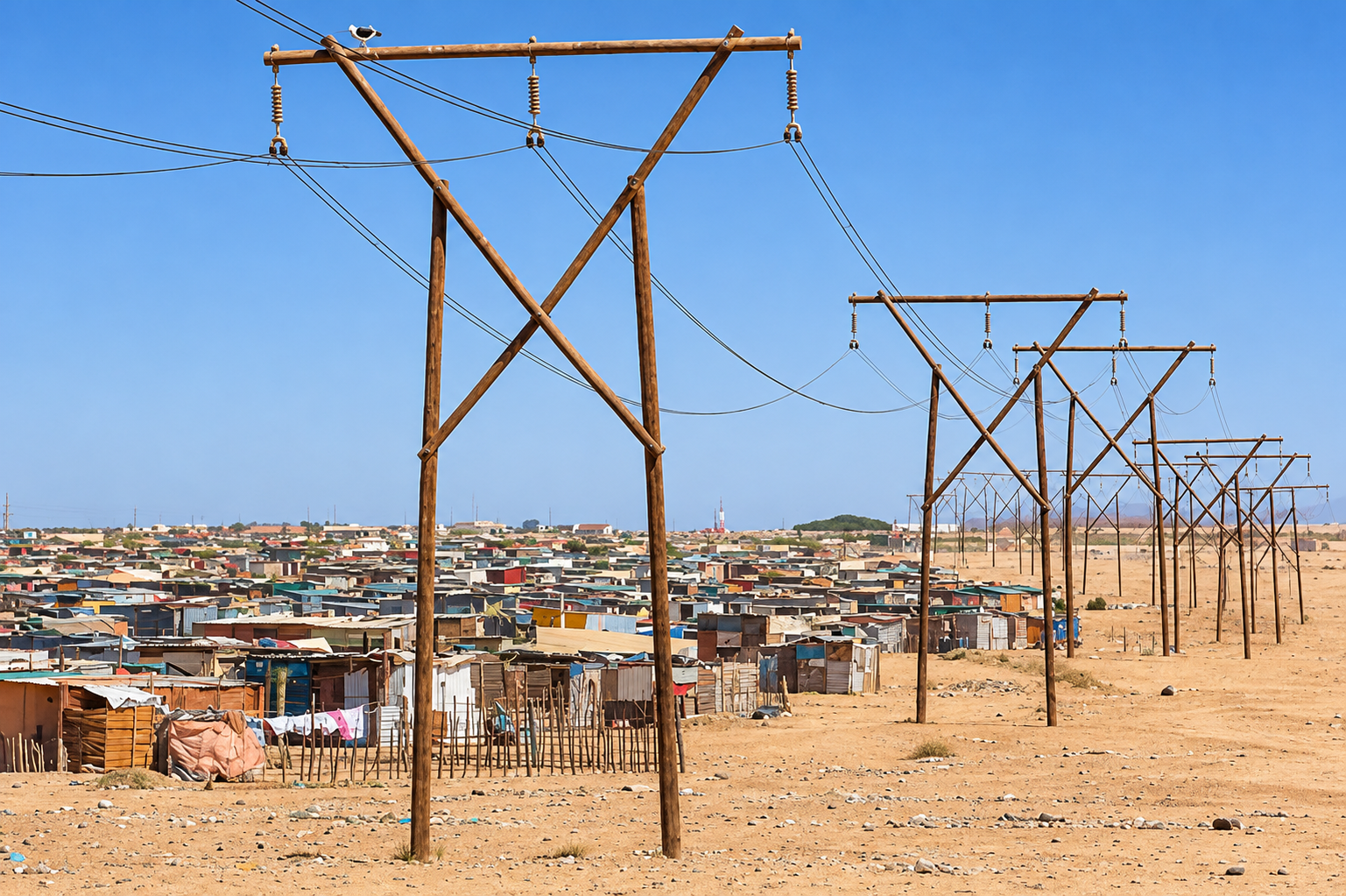
On electricity supply, Ngurare said that Namibia imported between 40% and 65% of its electricity over the past year, adding that the country wanted to reduce its reliance on imported electricity and eventually become a net exporter of power.
To advance the nuclear power programme, the government had commissioned a roadmap and established the Nuclear Energy Programme Implementing Organisation under the Office of the Prime Minister, with support from the International Atomic Energy Agency.
Ngurare also referred to small modular reactors and micro-reactors as technologies that could support electricity generation, seawater desalination, green hydrogen production and the manufacturing of steel and chemicals.
He said that developing the industry would require investment in skills and infrastructure, including training in nuclear engineering, radiation medicine, isotope hydrology and food safety.
He added that nuclear science could support healthcare through diagnostic radiology, nuclear medicine and radiation therapy, while research applications could contribute to food and water security.