Home Market & Sectors Agriculture & Oceans
Namibia Exposed to Cross-Border FMD Risks as Surveillance Cooperation Falls Short
Namibia and Botswana do not have an established direct platform for regularly exchanging foot-and-mouth disease (FMD) surveillance information
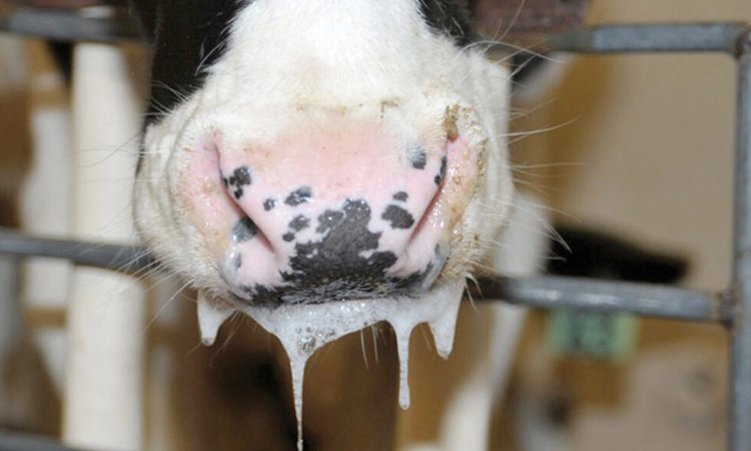
Namibia and Botswana do not have an established direct platform for regularly exchanging foot-and-mouth disease (FMD) surveillance information, raising concerns about how quickly veterinary authorities can coordinate their response to potential disease threats along their shared border.
The disclosure was made by the Ministry of Agriculture, Fisheries, Water and Land Reform Spokesperson, Romeo Muyunda, in a response to questions from Business 360 Pulse on the condition of the Namibia–Botswana veterinary border fence, disease surveillance cooperation and livestock movement risks.
According to the ministry, veterinary authorities in the two countries mainly obtain outbreak information through public notifications and official announcements rather than through a structured system for sharing surveillance data directly.
“The absence of a formal information-sharing platform presents a challenge to timely and coordinated disease surveillance between the two countries,” the Ministry stated.
The revelation comes as Namibia continues strengthening its measures to protect its livestock sector against FMD, a highly contagious animal disease that can disrupt livestock production, restrict market access and affect farmers' livelihoods.
Although Botswana's current FMD outbreak is reportedly located more than 400 kilometres from Namibia's border, the Ministry warned that livestock movement across the shared border remains a potential transmission risk.
The Ministry described the Namibia–Botswana veterinary border fence as generally being in fair condition, although its state varies across different sections.
An approximately 80-kilometre section in the eastern region, bordering Botswana's infected Ngamiland FMD zone, has been electrified as a precautionary disease-control measure and is reported to be in excellent condition.
However, other sections are affected by ageing infrastructure, worn-out materials, bush encroachment and elephant damage. The Ministry specifically identified sections around Dehook, Roybert and areas towards Okomukaru as requiring additional attention.
Maintenance and replacement of materials are ongoing, with teams deployed to address the challenges.
The fence operates as a double-fence system, but Muyunda said responsibility for maintaining the international veterinary border fence remains unclear between Namibia and Botswana.
Namibia has continued maintaining the sections within its jurisdiction through the Directorate of Veterinary Services, despite limited funding, staffing and maintenance resources. The Ministry noted that maintaining the international fence is not the Directorate's primary mandate.
This uncertainty has also affected broader cooperation. Namibia has repeatedly called for joint patrols and collaborative fence maintenance with Botswana, but these efforts have not materialised on a wider scale, partly because the two countries have not resolved their respective maintenance responsibilities.
The ministry confirmed that joint border patrols and inspections take place through the Namibian Joint Border Committee, which includes veterinary officials, police and other relevant stakeholders.
These patrols are reportedly conducted quarterly. However, they cover limited sections of the border and do not amount to comprehensive joint veterinary fence inspections or maintenance operations.
This means that although some cooperation exists, the current arrangements do not provide comprehensive joint oversight of the entire veterinary border fence.
Furthermore, the ministry also identified livestock movement as a potential biosecurity weakness, particularly in areas where farmers allow cattle to cross into Botswana in search of grazing.
Incidents of cattle crossing between the two countries have been reported around Asep, Okomukaru and Ochombinde. According to the Ministry, these movements are often associated with farmers seeking grazing where grass is more abundant.
In some instances, farmers deliberately cut sections of the fence to allow their livestock access to grazing areas. Cattle may also cross through damaged or weakened sections, including areas affected by elephant activity.
Although the ministry does not describe these movements as frequent, it warns that uncontrolled livestock crossings present a potential disease-transmission risk.
Veterinary authorities continue patrolling the fence and monitoring vulnerable sections to identify and address possible breaches.
For Namibia's livestock industry, the concern extends beyond the physical condition of the fence. Effective disease prevention also depends on timely information, cooperation between veterinary authorities and responsible livestock management by farmers.