Home Market & Sectors Banking & Finance
Mortgage Lending Remains Weak at Major Banks, PSG Wealth Report Shows
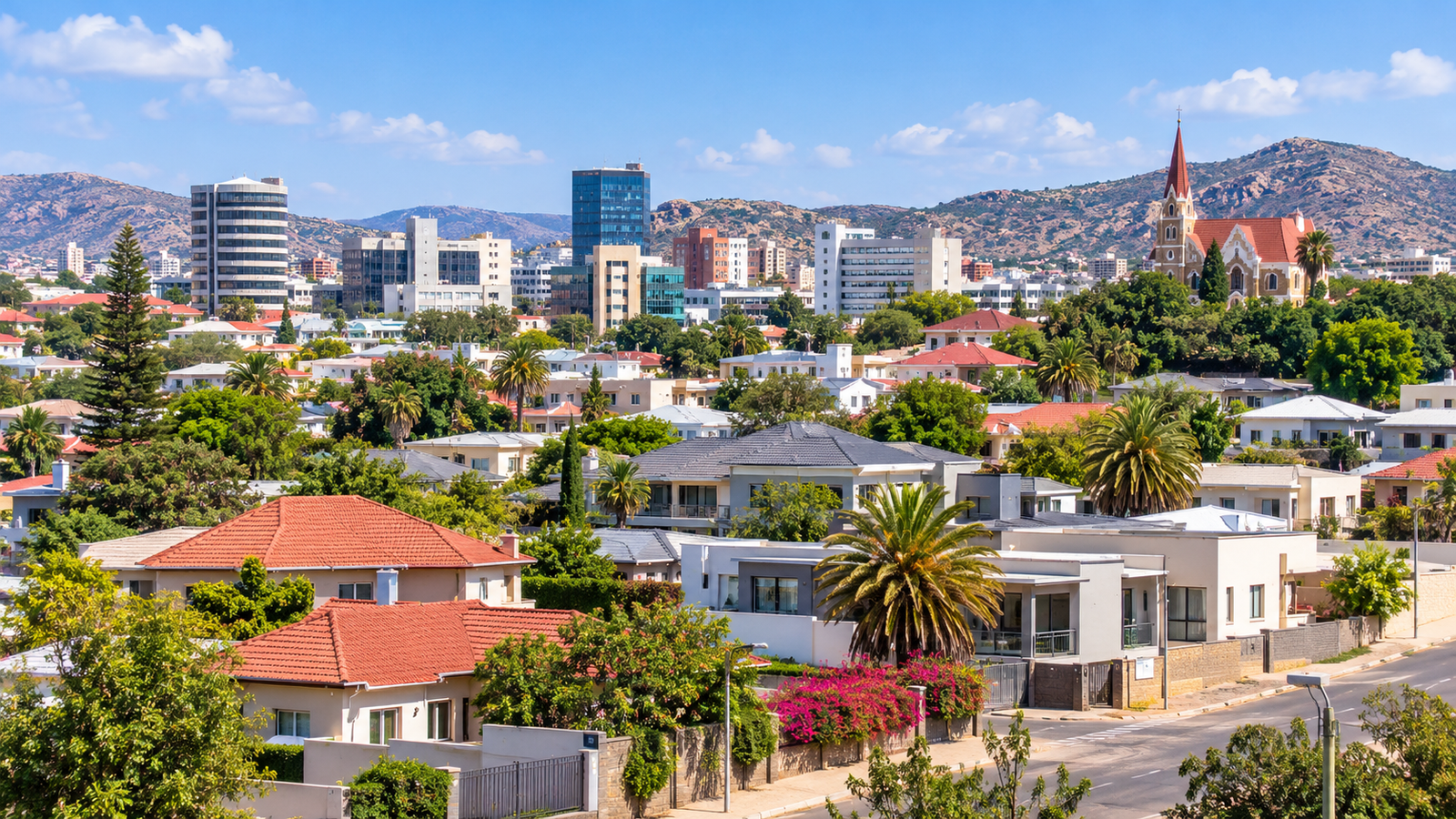
Mortgage lending at some of Namibia’s largest banks has barely grown, with one banking group even recording a decline, raising concerns about how easily ordinary households can access finance to buy homes. While banks continue to hold billions in assets and extend loans across the economy, the latest figures suggest that housing finance remains under pressure.
Mortgage lending at some of Namibia’s largest banks has barely grown, with one banking group even recording a decline, raising concerns about how easily ordinary households can access finance to buy homes. While banks continue to hold billions in assets and extend loans across the economy, the latest figures suggest that housing finance remains under pressure.
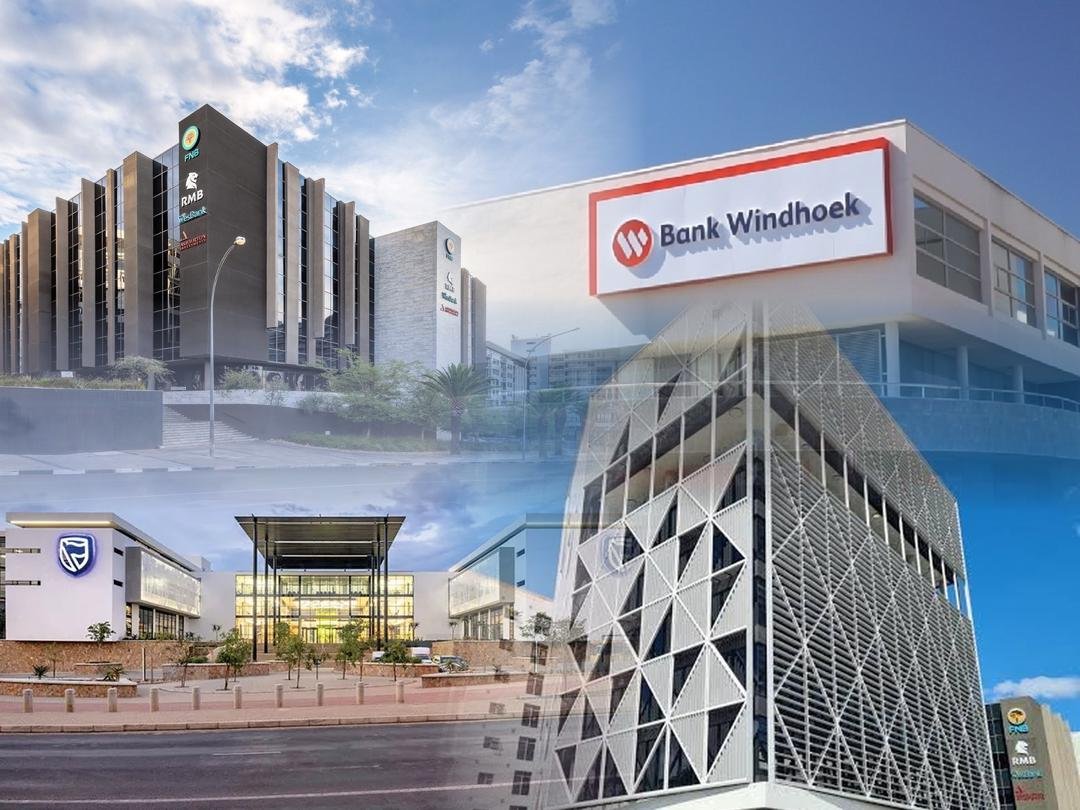
According to the 2026 Banking Review Report by PSG Wealth Namibia, mortgage lending recorded weak or negative growth at all four of the country’s major banking groups in their latest reported results. FirstRand Namibia’s mortgage balances increased by only 1.3%, while Capricorn Group recorded growth of 1.1%. NedNamibia Holdings registered a 4% decline, and Standard Bank Namibia Holdings recorded a marginal decline of 0.1%.
These figures are significant because a mortgage is often the largest loan a household will take out. It allows a family to purchase a home and repay the cost over many years. When mortgage lending is barely growing, it raises questions about how many households are entering the property market, whether existing borrowers are expanding their borrowing and whether the cost of buying a home is becoming increasingly difficult to manage.
The PSG report also shows how important housing finance remains to the banks’ lending activities. Mortgages account for 38.1% of FirstRand Namibia’s advances, 39% at SBN Holdings, 41.1% at Capricorn Group and 46.4% at NedNamibia Holdings. In other words, housing loans represent a substantial part of the money these institutions lend to customers.
For an ordinary working household, the difficulty is practical. A person may have a regular salary but still struggle to save the deposit required by a bank. Another household may qualify for a loan but find that monthly repayments leave too little money for food, transport, school expenses and other basic needs. Where interest rates rise, borrowers with loans linked to variable rates may also face higher repayments.
The Bank of Namibia raised the repo rate to 6.75% in 2026, according to the PSG report. Changes in the repo rate influence the cost at which banks obtain money and can affect lending rates charged to customers. The report also records that the central bank directed commercial banks to reduce lending spreads by a total of 25 basis points in two phases during 2025. The purpose was to improve credit affordability, although the real test is whether borrowers have experienced meaningful relief.
The housing question is also connected to financial stability. The International Monetary Fund’s 2026 assessment noted that mortgage lending accounted for 52% of total non-performing loans at the end of 2025. Non-performing loans are loans on which borrowers are not keeping up with repayments. This does not mean that most mortgages are failing, but it shows that difficulties in the housing loan market can affect both households and banks.
For Namibia, homeownership is more than a private financial decision. Housing supports household security, creates demand for construction and related services, and allows families to build an asset over time. When access to housing finance is limited, the effects can extend beyond individual buyers to the wider economy.
The report shows that the banks remain financially strong, but their mortgage figures tell a more complicated story. The issue is not simply whether banks are lending. It is whether ordinary Namibians who want to buy a home can realistically access that lending.