Home Market & Sectors Banking & Finance
BANKING AND FINANCE
Farmers Welcome Loan Relief But Fear Rising Interest Costs
A Zambezi farmer says foot-and-mouth disease restrictions have made it difficult to generate income and repay bank loans, while new relief measures raise questions about how lenders will support struggling agricultural borrowers.
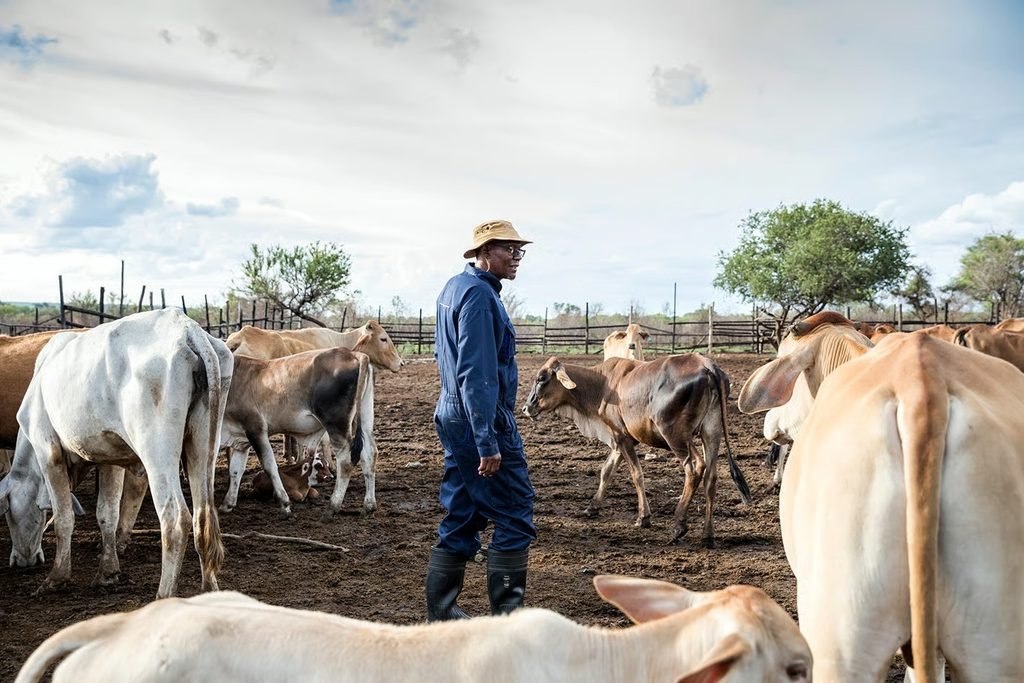
Farmers affected by foot-and-mouth disease (FMD) have welcomed the Bank of Namibia’s loan relief measures, but warn that restructuring existing loans should not leave them with additional interest costs while livestock marketing restrictions continue to affect their income.
Bevin Tuwelo, a farmer in the Zambezi Region, said recurring FMD outbreaks had disrupted livestock sales, making it difficult for producers to generate enough income to service bank loans and maintain their farming operations.
He said attempts by some farmers to negotiate more flexible repayment arrangements with banks had often been unsuccessful, with producers facing possible legal action over missed repayments despite restrictions limiting their ability to sell livestock.
“The bank relief sought for farmers, yes, it can help to re-plan the loan with friendly terms. However, it should not be used as a trap for more interest on the existing loans,” Tuwelo said.
His concerns come as the central bank introduced Determination BID-42, requiring banks to provide eligible farmers and agricultural businesses affected by FMD and El Niño-related climatic conditions with loan repayment moratoriums ranging from one to 24 months.
The duration of the relief depends on an assessment of each borrower’s financial circumstances and repayment capacity. Banks may also restructure existing loans and provide additional credit facilities to qualifying borrowers.
However, interest on restructured loans will continue at the contractual rate unless the bank and borrower agree otherwise in writing. Borrowers must demonstrate that their income has been adversely affected by FMD or El Niño-related conditions to qualify.
Tuwelo said the relief could provide farmers with an opportunity to reorganise their finances, but urged banks to consider the circumstances of affected producers when negotiating repayment arrangements.
He also called for greater consultation with farmers, particularly communal and small-scale producers who may not have the same bargaining power as commercial farmers.
Nedbank Namibia said it welcomed BID-42 and was reviewing the implementation requirements while aligning its internal processes.
The bank said assistance would be considered on a case-by-case basis, taking into account each client’s circumstances, the impact on their farming operations and their ability to meet financial obligations over the long term.
“Depending on the circumstances, relief measures may include repayment moratoriums, restructuring of existing facilities, or other appropriate support mechanisms as provided for under the determination,” Nedbank said.
The bank encouraged affected clients to contact their relationship managers or visit their nearest branch to discuss their circumstances and the assistance available.
Beyond loan repayments, Tuwelo said limited formal livestock marketing opportunities in the Zambezi Region were compounding farmers’ financial difficulties.
He said some producers depended on small butcheries that bought livestock at low prices, particularly when farmers urgently needed cash to meet their financial obligations.
He further warned that poor rainfall associated with El Niño could affect grazing conditions and the availability of supplementary feed, increasing the cost of maintaining livestock.
Under BID-42, banks are required to provide written reasons when they decline applications for relief. Qualifying borrowers receiving relief should also be reported as performing to credit bureaus during the relief period, subject to applicable requirements under BID-2.