CLIMATE FINANCE
Namibia Appointed To Lead Africa’s Climate Adaptation Negotiations At COP31
Namibia's appointment to lead Africa's climate adaptation negotiations at COP31 places the country at the centre of discussions on climate finance, sustainable development and economic resilience across the continent.
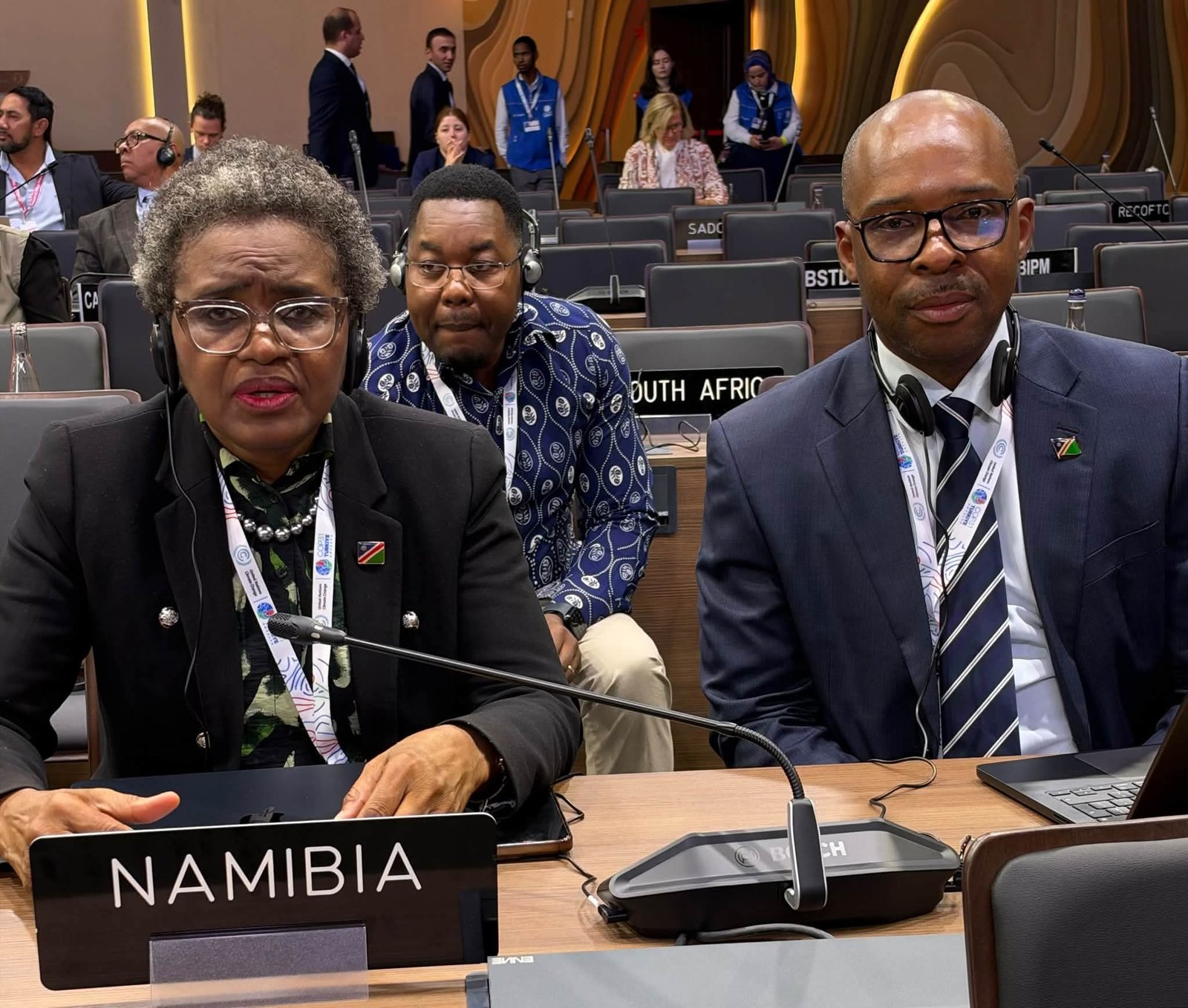
Namibia has secured a leading role in shaping Africa's climate change adaptation agenda, following the appointment of the Ministry of Environment, Forestry and Tourism, Minister Indileni Daniel to lead the continent's negotiations on climate adaptation at the 31st United Nations Climate Change Conference (COP31) in Antalya, Türkiye.
Daniel was appointed on Sunday by the African Ministerial Conference on the Environment (AMCEN), positioning Namibia to represent Africa's collective adaptation priorities during negotiations on climate resilience, financing and sustainable development.
The appointment comes as African countries seek greater access to climate finance, particularly funding that does not add to their existing debt burdens, while strengthening their ability to respond to climate-related economic challenges.
According to the announcement, accessible and debt-free climate finance, sustainable mitigation measures and climate change adaptation were among the key priorities agreed upon by AMCEN as African ministers aligned the continent's negotiating position ahead of COP31.
Climate adaptation has significant economic implications for Namibia, particularly in sectors such as agriculture, water management and natural resource management, which are vulnerable to changing weather patterns and prolonged droughts.
Namibia is advancing several climate adaptation approaches, including sustainable agriculture, water security, improved rangeland management and the protection of natural resources.
The country has also recently launched its third Nationally Determined Contributions (NDCs), outlining its climate commitments and targets.
Among the targets is promoting the use of electric vehicles, with an ambition to reach 45% by 2035. The transition could also have implications for Namibia's energy sector, transport industry and investment opportunities in cleaner technologies.
AMCEN's discussions are expected to strengthen Africa's collective position in international climate negotiations, particularly around securing financing that supports countries' adaptation needs without increasing their debt obligations.
For Namibia, the appointment provides an opportunity to bring its climate adaptation priorities and development interests into continental and international discussions.