GREEN INDUSTRIALISATION
Namibia Faces Challenges In Turning Green Industry Plans Into Investments
More than 18 potential green industrial projects valued at over US$16 billion have been identified, with policy gaps, infrastructure constraints and financing requirements still standing in the way of their development.
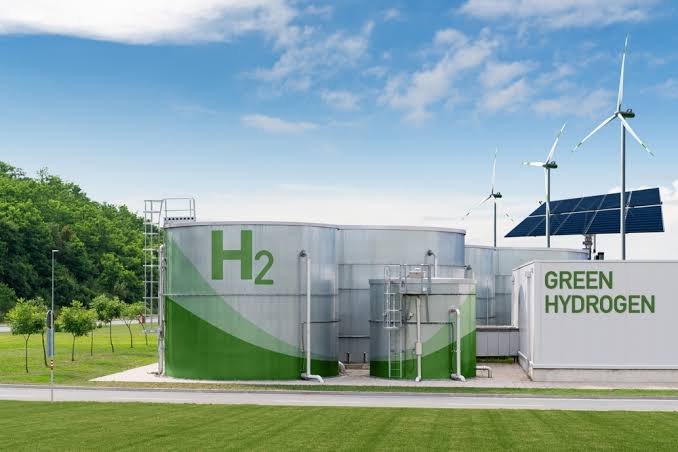
Namibia's ambitions to build a green industrial sector faces a major test, with more than 18 potential projects valued at over US$16 billion requiring stronger policy support, infrastructure and investment readiness before they can move towards implementation.
The Namibia Green Hydrogen Programme (NGH2P) reported in its November 2026 Green Industries Reference Pipeline that the proposed developments face policy, infrastructure and investment challenges.
The proposed developments range from green hydrogen, ammonia and alternative fuels to the processing of critical minerals such as copper, zinc and lithium, and includes projects focused on producing green iron, manufacturing glass and ceramics, and assembling components for solar and wind energy.
NGH2P reported that its assessment started with 104 companies and projects, of which 78 were considered broadly aligned with its industrial decarbonisation mandate, with more than 18 opportunities were retained in the current indicative pipeline after further information requests, interviews and assessments of project suitability and readiness.
However, NGH2P stressed that the project list represents a snapshot of a changing pool of opportunities rather than a committed investment pipeline, although project maturity and timing remain subject to due diligence and external conditions.
NGH2P reported several outstanding policy measures needed to support the proposed developments, with work continuing to turn adopted strategies and policy frameworks into an operational environment for investment.
The Special Economic Zones (SEZ) framework and electricity-sector reforms are listed as expected, while the Strategic Environmental and Social Assessment (SESA), hydrogen standards and safety framework, and Green Industries Policy remain pending.
NGH2P stressed that reaching final investment decisions would require stronger coordination, finalised investment rules and regulations that provide certainty for long-term investment.
The identified projects include developments in green hydrogen, green ammonia, e-methanol, green iron, critical mineral beneficiation, copper, zinc, lithium, glass, ceramics and renewable energy component manufacturing, according to NGH2P.
Companies and projects listed in the pipeline include Hyphen Hydrogen Energy, Zhero, Cleanergy, HyIron, Kelp Blue, Daures, Hop Hydro, Green Metals Refining and Namib Industry Ceramics.
Moreover,the programme estimates that projects progressing to final investment decisions could generate US$12 billion in construction expenditure over five to six years, creating up to 11,400 construction jobs over the next five years and 3,375 permanent jobs during operations.
It also estimates an economic impact multiplier of N$2.9 billion linked to construction expenditure and capital investment from projects under development.
In addition, the company has also identified local value creation as another priority, highlighting opportunities for Namibian businesses to benefit through domestic manufacturing, supplying goods and services to projects, skills development and participation by micro, small and medium-sized enterprises.
Meanwhile, consultations held in Walvis Bay and Lüderitz between April and June 2026 showed that communities expect the proposed developments to bring more than investment, with residents calling for access to training and jobs, funding for local businesses, clean water and electricity, while infrastructure bottlenecks, financing challenges, skills shortages and limited supplier readiness remain obstacles to project development.
The consultations also highlighted longer-term concerns around environmental protection and community ownership, with residents emphasising the importance of ensuring local communities continue to benefit from the projects beyond the construction phase.
The programme's assessment places policy implementation, infrastructure development and local participation among the conditions needed to turn Namibia's green industrialisation plans into operational investments.