Home Market & Sectors Agriculture & Oceans
Fruit Inflation Drops From 15.3% In July To 13.5% In October.
The latest Consumer Price Index (CPI) bulletin shows that annual fruit inflation declined from 15.3% in July to 13.8% in August, before rising slightly to 14.4% in September and easing again to 13.5% in October.
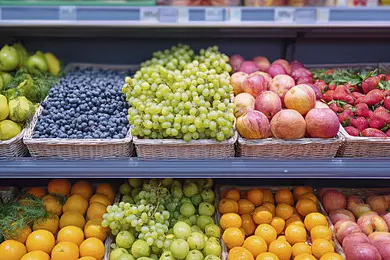
The pace of fruit price increases in Namibia has eased from its July peak, but consumers are still facing double-digit inflation when buying fruit, with prices rising 13.5% annually in October, according to the Namibia Statistics Agency (NSA).
The latest Consumer Price Index (CPI) bulletin shows that annual fruit inflation declined from 15.3% in July to 13.8% in August, before rising slightly to 14.4% in September and easing again to 13.5% in October.
Over the four reporting months, the annual inflation rate for fruit declined by 1.8 percentage points. However, this does not mean fruit has become cheaper. It means prices in October increased at a slower rate than they did in October 2025.
For ordinary households, the distinction is important. A reduction in the inflation rate does not necessarily translate into immediate relief at supermarkets or informal markets. Consumers are still paying higher prices compared with the same period last year.
The October figures also reveal that the improvement in overall fruit inflation has not been experienced equally across individual products.
Bananas recorded annual inflation of 28.8%, compared with 3.0% in October 2025, while avocados increased by 21.4%, against 9.2% previously. Pears recorded inflation of 9.2%, compared with 5.6% a year earlier.
These increases suggest that particular fruits continue to place pressure on household food budgets, even as the broader fruit category records a slower annual inflation rate.
The movement in fruit prices comes against a broader food inflation environment in which different commodities are experiencing varying levels of price pressure.
Meat inflation increased from 3.3% in July to 3.8% in August, eased to 3.3% in September, before accelerating to 5.9% in October.
Fish inflation remained comparatively contained, moving from 3.1% in July to 3.7% in August, 3.2% in September and 3.3% in October.
Vegetables, however, followed a different direction. Annual inflation increased from 5.6% in July to 7.9% in August and reached 10.5% in October, indicating growing pressure in another important household food category.
In October, the NSA identified onions, broccoli and cauliflower, and sweet potatoes among the products recording significant annual price increases, at 27.3%, 20.5% and 17.1%, respectively.
Milk, cheese and eggs also recorded annual inflation of 7.8% in October, reversing the 1.0% deflation recorded in October 2025.
The continued pressure on food prices is particularly important because the country's broader inflation rate has also been increasing.
Namibia's annual headline inflation accelerated from 4.4% in July to 5.0% in August, 5.4% in September and 5.6% in October.
Food and non-alcoholic beverages, which account for 16.5% of the national consumer basket, recorded annual inflation of 4.8% in October, compared with 4.0% in September.
Although overall food inflation remains below fruit inflation, the individual movements show that households cannot rely on the broader food inflation figure to understand the changing cost of specific groceries.
The NSA also reported that transport contributed 2.5 percentage points to October's headline inflation, making it the largest contributor. This is relevant to food prices because higher transport expenses can increase the cost of moving agricultural produce from suppliers to markets and retailers.
For households already managing transport, housing and food expenses, the moderation in fruit inflation offers limited reassurance.
The latest figures therefore point to a mixed picture: fruit inflation has eased from its July peak, but prices continue rising, while vegetables, meat and dairy products are showing renewed pressure.
For Namibian consumers, the important question is not simply whether inflation is slowing, but whether the cost of putting food on the table is becoming more affordable.