Home Market & Sectors Agriculture & Oceans
AGRICULTURE AND LIVESTOCK
FMD Restrictions Threaten Livestock Income and Raise Costs for Zambezi Farmers
Movement restrictions are disrupting cattle sales in the Zambezi Region while farmers continue paying for animal medicine, labour and household expenses, raising concerns about their ability to recover costs ahead of the peak livestock marketing season.
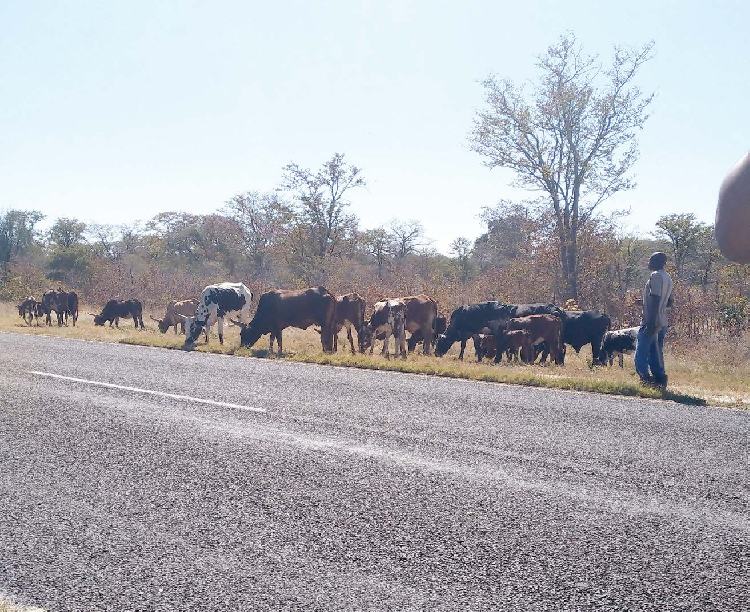
Foot-and-mouth disease (FMD) restrictions in the Zambezi Region are putting pressure on livestock farmers’ income by limiting access to customers while the costs of maintaining cattle continue.
One of the farmers in the region, Bevin Tuwelo said the restrictions were disrupting their ability as farmers to sell cattle directly to buyers.
Speaking during the Agriculture Minister`s visit to the region over the weekend, Tuwelo explained that this makes it harder to generate revenue and recover the expenses incurred in running their farming operations.
“Beef sales is mobile. It is difficult to get clients at one area,” Tuwelo said, explaining that some customers prefer to buy cattle on the hoof, but movement restrictions prevent such transactions from taking place as usual.
He said farmers who slaughter their cattle must seek markets in more populated areas, potentially requiring them to find customers beyond their immediate farming communities.
The disruption comes as farmers approach the December and January peak livestock marketing season, which Agriculture Minister, Inge Zaamwani has identified as an important period for livestock income.
During her visit to the affected area on Kalala Island, Zaamwani acknowledged the economic consequences of the restrictions, saying the government was working to contain the outbreak and restore normal trading.
“We are aware of the serious impact the restriction have on the livelihood of our people. So the sooner we get out, the better,” she said.
For farmers, the financial strain extends beyond lost or delayed sales. Tuwelo said expenses for animal medicine, herders’ salaries and other farming needs continue even when access to markets is restricted.
He said calculating the total financial losses was difficult because the impact was tied to the ongoing costs of keeping and managing livestock.
“It is difficult to quantify the losses in money because it is coupled with all expenses incurred on managing the animals,” he said.
Tuwelo added that farmers could not easily reduce their herds to manageable levels because both formal and informal markets had become difficult to access.
He warned that a continuation of the restrictions into January could deepen the financial pressure, particularly as fuel prices affect transport costs and the cost of obtaining livestock medicine.
“If the restrictions continue to January, that means that with the ever-increasing oil prices that also affect the price of medicine it is a disaster,” he said.
The impact also extends to household finances. Tuwelo said livestock sales help farming families meet essential expenses, including school costs, making the ability to sell animals important to both farm sustainability and household welfare.
“Stock farming is an activity that should sustain itself,” he said, explaining that farmers depend on livestock sales to recover the money spent maintaining their animals.
He further argued that repeated FMD outbreaks expose the economic vulnerability of residents in the region, calling for greater attention to the financial burden imposed by restrictions.
Tuwelo also proposed improving slaughterhouse infrastructure and exploring technology that could help address FMD-related challenges. However, the effectiveness and suitability of any such technology would need to be assessed by veterinary authorities.
Zaamwani said the government was reinforcing patrols and continuing containment measures, while urging farmers and communities to cooperate with veterinary officials.
She also highlighted infrastructure challenges in the affected area, saying flooding had complicated access during the initial response and underscoring the need for improved roads and communication networks.
For the livestock sector, the speed at which the outbreak can be contained will be important in determining when normal trading can resume. For farmers such as Tuwelo, prolonged restrictions could mean continued operating expenses without the expected income from livestock sales.