Home Market & Sectors Mining & Minerals
Local Companies Urged to Position Themselves for Oil and Gas Opportunities
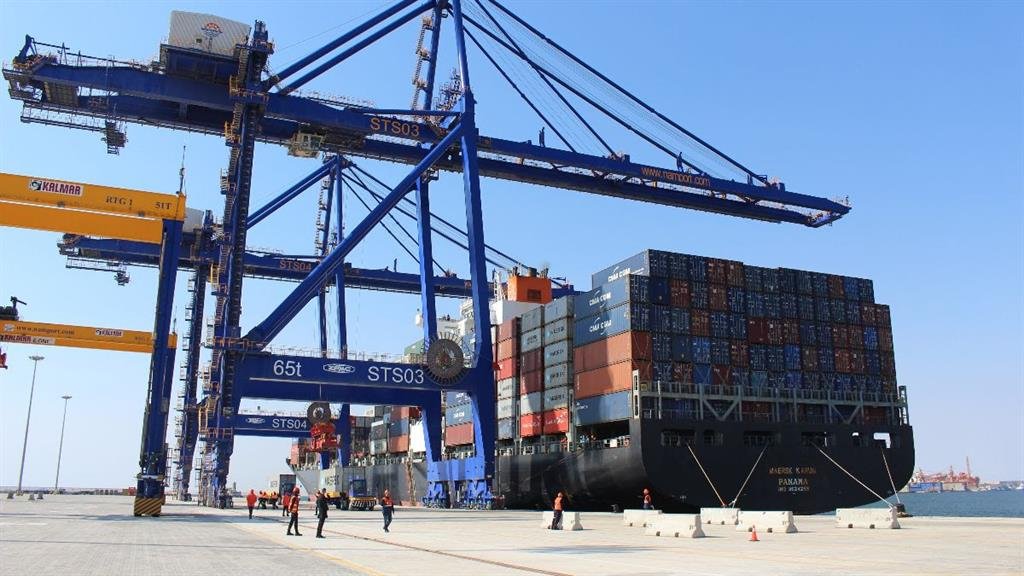
The opportunities created by oil and gas discoveries extend beyond exploration and production, with potential business opportunities for Namibian companies in logistics, engineering, construction, marine services and technical training.
The opportunities created by oil and gas discoveries extend beyond exploration and production, with potential business opportunities for Namibian companies in logistics, engineering, construction, marine services and technical training. However, the question remains whether local businesses are sufficiently prepared to participate meaningfully in the emerging value chain.
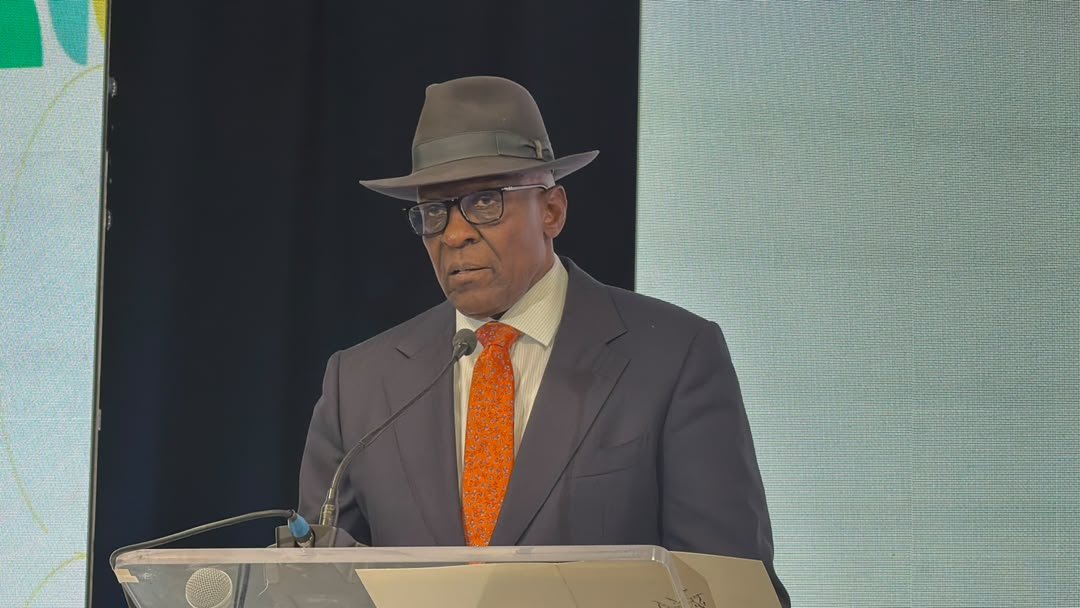
Speaking at the Government Institutions Pension Fund's Pension and Investment Symposium 2026 this week, National Planning Commission Director General, Kaire Mbuende placed considerable emphasis on what happens beyond the discovery and extraction of oil and gas.
Following major discoveries in the Orange Basin by TotalEnergies, Shell and Galp, the country has emerged as a promising destination for oil and gas investment. However, according to Mbuende, the opportunity lies not only in extracting hydrocarbons but also in building an industrial ecosystem around the sector.
“Beyond production, opportunities exist for Namibian businesses in logistics, engineering, construction, marine services and technical training,” Mbuende told the symposium. He also highlighted opportunities for local financiers, including pension funds and commercial banks, to support infrastructure and service industries linked to the sector.
Mbuende advised Namibian investors and businesses to position themselves early and form partnerships that can build a competitive local oil and gas value chain. He stressed that such participation should create jobs, strengthen local enterprises and deliver lasting economic benefits.
This call forms part of a broader national development agenda anchored in Vision 2030 and the Sixth National Development Plan (NDP6).
In his address, Mbuende identified four interconnected elements essential to development: ambition, resources, capital, and labour and skills. These correspond with NDP6's pillars of economic transformation, human development, environmental sustainability and effective governance.
He argued that mobilising even part of the available institutional capital towards national development priorities could make a significant contribution to closing the country's financing gap.
For the oil and gas sector, this could mean financing infrastructure and services that support exploration, production and related industrial activities, rather than limiting investment to the extraction of natural resources.
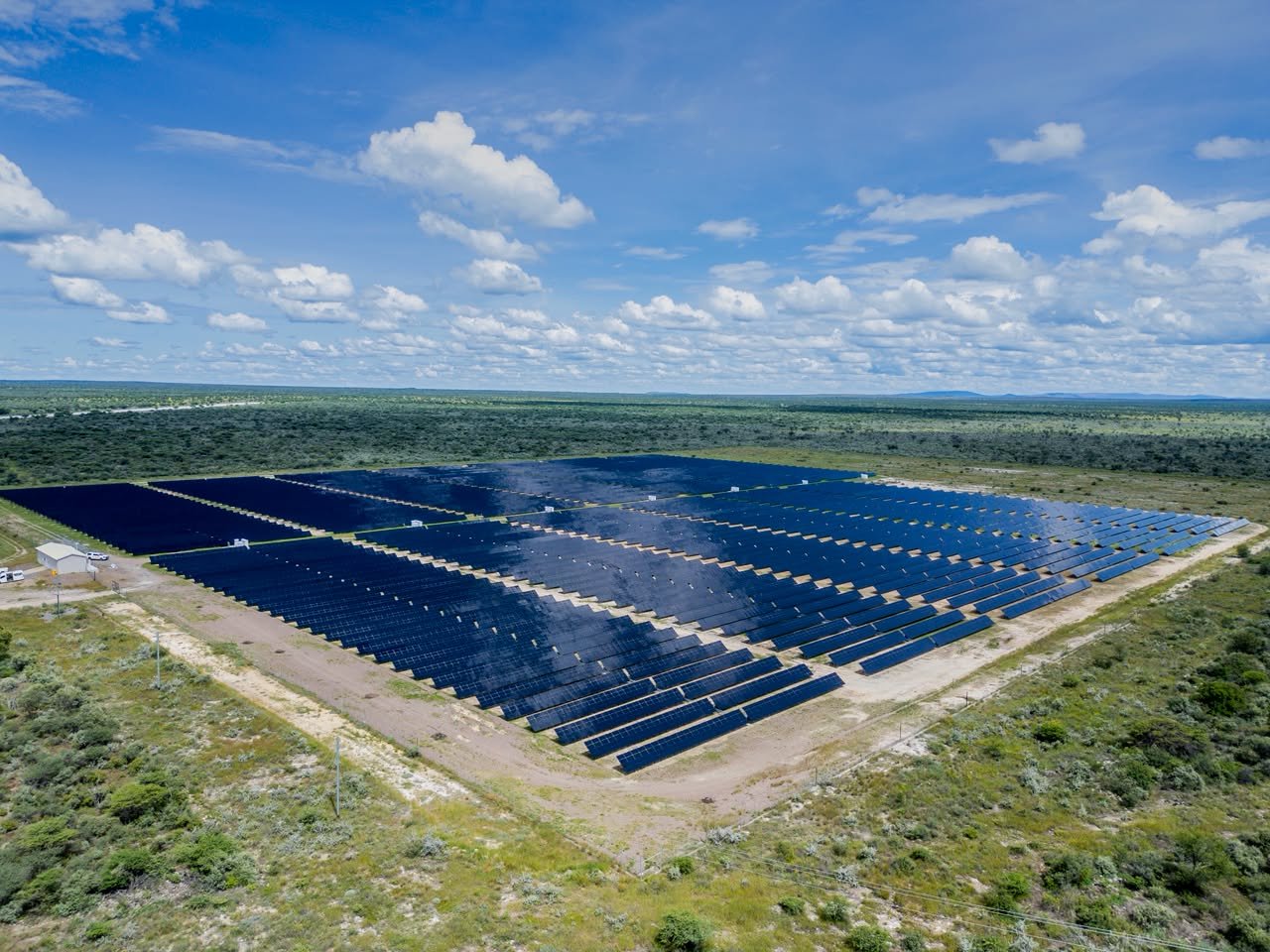
He also highlighted opportunities in green hydrogen and renewable energy, including the proposed Hyphen Hydrogen Energy project in the Tsau //Khaeb National Park, which includes plans for 3.75 gigawatts of renewable energy generation and 1.5 gigawatts of electrolyser capacity.
Mbuende acknowledged that attracting investment requires more than identifying projects and presenting opportunities. Investors must have confidence in the regulatory environment, project preparation and the institutions responsible for facilitating investment.
He pointed to the Namibia Investment Promotion and Development Board (NIPDB), which assists domestic and foreign investors with business establishment, permits, licences and partnerships, as one of the mechanisms supporting investment.
He also highlighted the Investor Permit framework, which, from 1 September 2026, allows qualifying investors to obtain an Employment Permit to Conduct a Business for up to five years, subject to the applicable assessment and approval processes.
The Public-Private Partnership Act of 2017 was also identified as an important framework for private sector participation in infrastructure development, including project preparation, procurement and implementation. In addition, the Namibia Public-Private Forum provides a platform for Government and the private sector to identify constraints, develop solutions and strengthen the country's investment environment.