Analysis
Green hydrogen consortium narrows first-phase scope to keep the timeline credible
A smaller opening phase, aimed at a firm offtake agreement rather than a headline capacity number, is the clearest sign yet that the sector is being priced honestly.
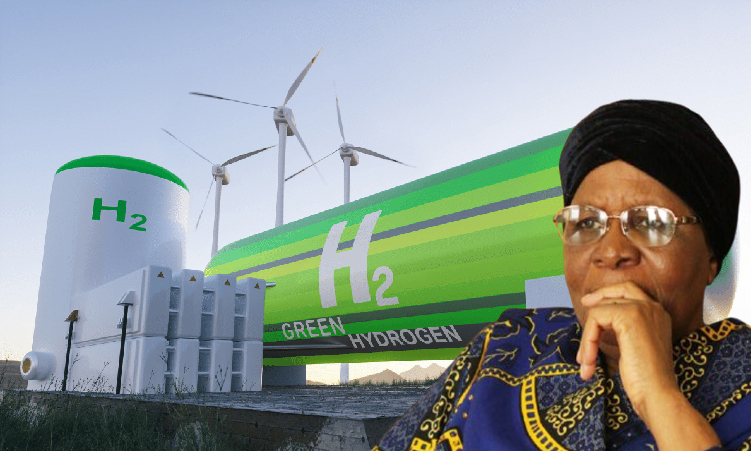
The consortium behind Namibia's flagship green hydrogen programme has narrowed the scope of its first phase, trading headline capacity for a schedule it can defend.
Read cynically, that is a retreat. Read properly, it is what happens when a project moves from prospectus to bankability.
The arithmetic of an offtake
Green hydrogen projects do not fail on sunshine or wind. They fail on offtake. A lender funds a project against a contract to buy the product at a price that services the debt, and those contracts are scarce.
- Phase one sized to a signed offtake rather than to resource potential
- Shared infrastructure specified for later expansion
- Water, port and grid connections sequenced ahead of electrolyser capacity
Smaller and financed beats larger and announced. Every credible project in the sector globally has gone through the same compression.
What Namibia gets from a smaller phase one
A first phase that actually reaches financial close creates the things that make phase two cheaper: a construction workforce, a permitting precedent, port handling experience and a regulatory track record.
The first plant's job is to exist. The second one is where the economics get interesting.
The risk that remains
The risk is not that phase one is too small. It is that the gap between phase one and phase two is filled with nothing, no offtake, no capital, no continuity of skills. That is where hydrogen programmes elsewhere have stalled.